Does Eating Late at Night Affect Weight Loss? What the Research on Meal Timing Shows
The Short Answer
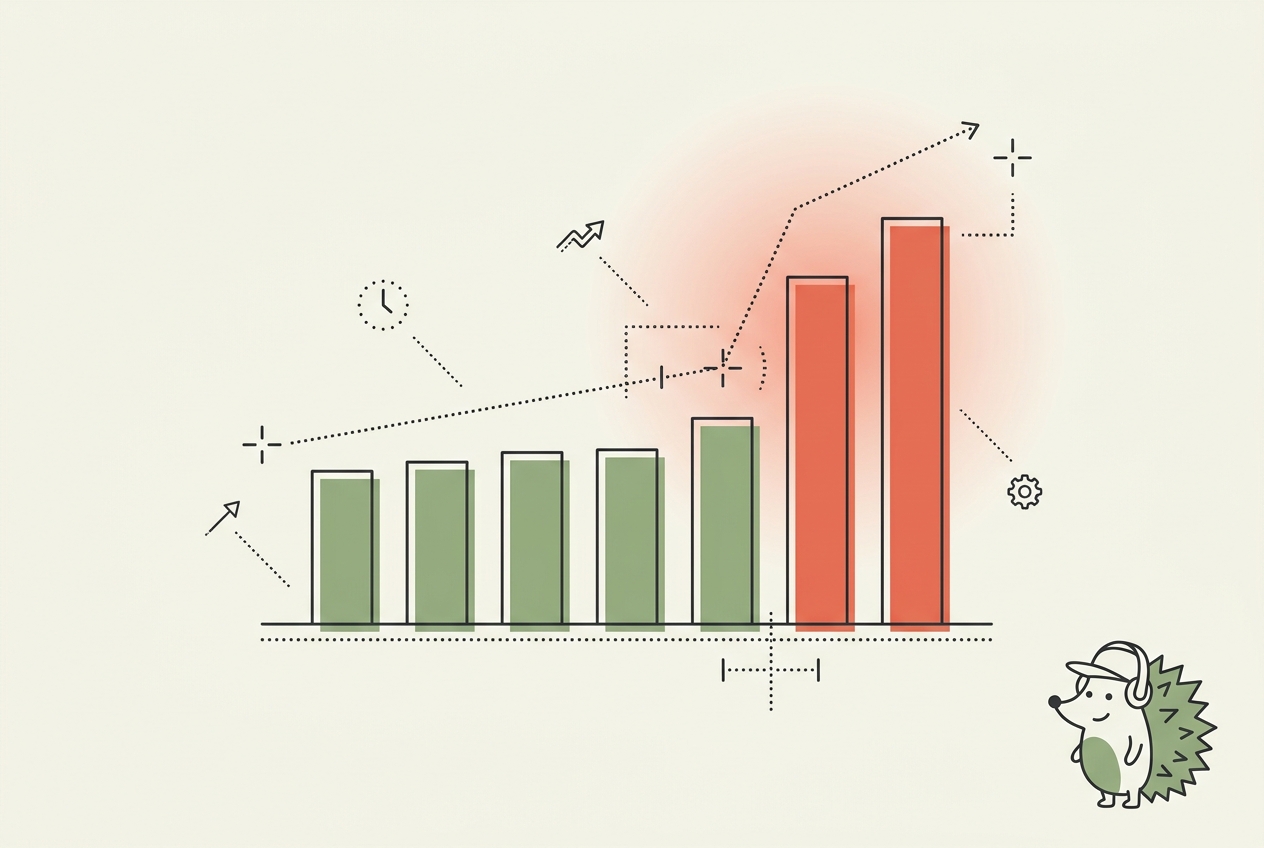
Eating late in the day doesn't automatically cause weight gain, but it does affect how your body processes food. Research shows that the same meal eaten later produces a higher insulin response and lower fat oxidation, because insulin sensitivity follows a circadian rhythm that peaks in the morning. Late eating is also consistently associated with higher total daily calorie intake, making timing a meaningful factor in weight management even at the same calorie level.
Disclaimer
This article is for information only and does not replace medical advice. Needs vary with age, sex, and situation (pregnancy, conditions, medication): if in doubt or symptomatic, talk to a health professional.
Is "A Calorie Is a Calorie" Regardless of When You Eat It?
The idea that only total calories matter, not timing, is intuitive and partially true. Energy balance is real: eating more than you expend leads to weight gain over time, and no meal timing strategy overrides a sustained caloric surplus.
But the "a calorie is a calorie" framing misses something important: the same calories eaten at different times of day are processed differently by your metabolism. Insulin sensitivity, fat oxidation, appetite regulation, and thermogenesis (the energy your body expends processing a meal) all follow circadian rhythms, 24-hour biological cycles driven by your internal clock. The time of day you eat interacts with those cycles in ways that affect both how efficiently energy is stored and how hungry you are afterward.
Meal timing is not the primary variable in weight management, total calories remain central. But timing is not irrelevant either. For people trying to lose weight, understanding the circadian biology of eating is a meaningful piece of the puzzle.
What Does Your Circadian Rhythm Have to Do With Food?
Your body runs on a 24-hour internal clock that regulates nearly every physiological function, including metabolism. This clock is synchronised primarily by light and dark, but it is also reset daily by meal timing, your digestive system, liver, and pancreas all have their own internal clocks that respond to when food arrives.
Several metabolic processes follow a clear morning-to-evening gradient:
Insulin sensitivity is higher in the morning and falls progressively through the day. This means the same amount of carbohydrate produces a smaller, more efficient insulin response when eaten at breakfast than at dinner. By late evening, the same meal triggers a significantly larger and more prolonged insulin spike, promoting fat storage rather than fat oxidation.
Thermic effect of food, the energy your body expends digesting and processing a meal, is also higher in the morning. Eating earlier in the day means a larger proportion of each meal's calories are burned in processing. Eating the same meal at night means fewer of those calories are dissipated as heat and more are available for storage.
Appetite-regulating hormones (leptin and ghrelin) follow circadian patterns too. Late eating can disrupt the normal night-time rise in leptin, the satiety hormone, which means people who eat late often feel less satisfied and more likely to continue eating past their actual energy needs.
What Did Research on Meal Timing and Weight Loss Find?
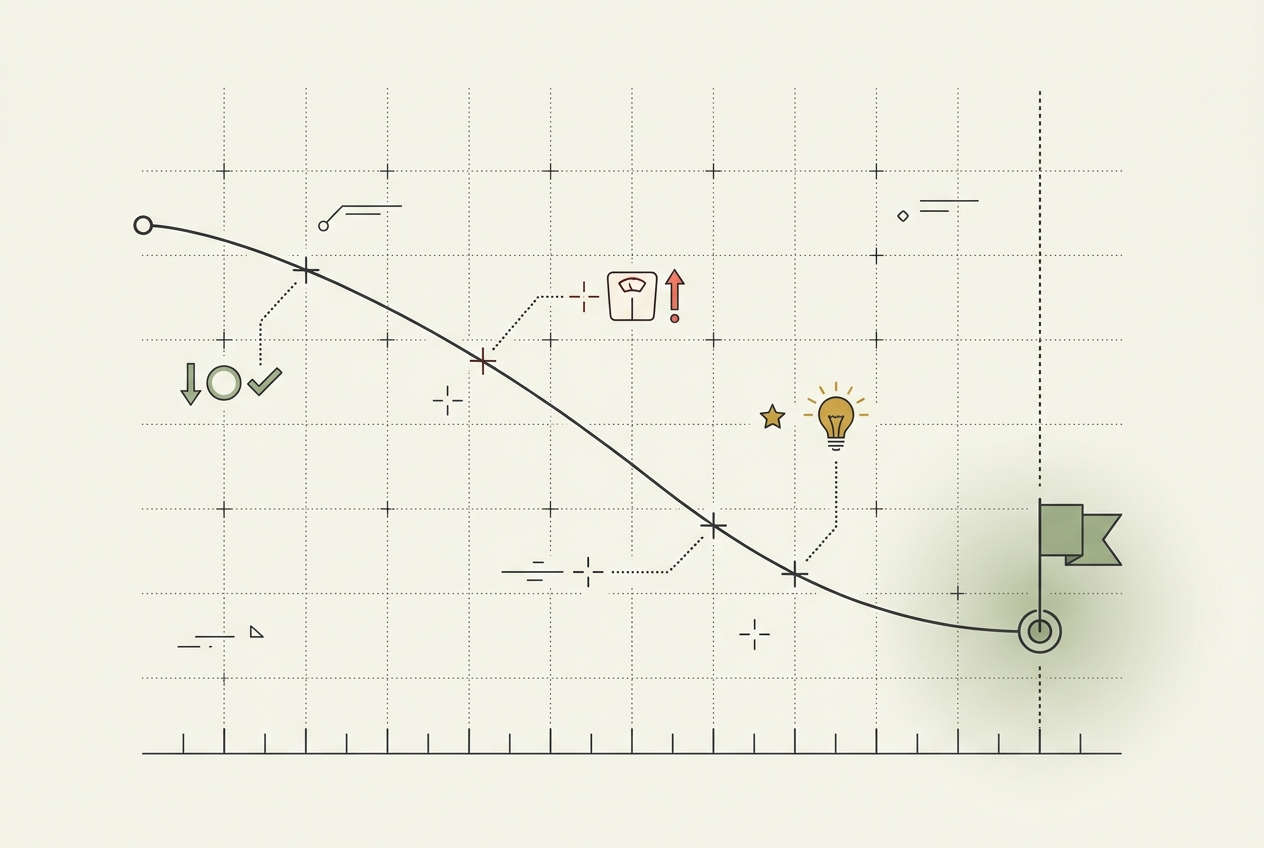
One of the most compelling direct studies comes from Garaulet et al. (2013), published in the International Journal of Obesity. The researchers studied 420 adults following a 20-week weight loss programme and found that people who ate their main meal earlier in the day (before 3pm) lost significantly more weight than those who ate later, despite consuming identical total calories, following the same diet, and reporting similar sleep patterns and activity levels.
The late eaters lost approximately 25% less weight over the same period, eating the same number of calories. The only meaningful variable was when the largest meal of the day occurred.
This finding is striking because it isolates timing from calories: the total energy intake was matched, yet weight loss outcomes diverged significantly. The mechanism is the circadian biology described above, the same calories stored more efficiently because they arrived when the body was metabolically primed for storage rather than expenditure.
Why Does Eating Late Tend to Mean Eating More?
Beyond the metabolic effects, late eating is independently associated with higher total calorie intake, not just different processing of the same calories.
Several factors drive this:
Appetite dysregulation. Food consumed late at night is less effective at suppressing hunger the following morning, creating a cycle where breakfast is skipped or small, hunger accumulates through the day, and intake is front-loaded to the evening. This pattern tends to produce higher total daily intake than spreading meals earlier.
Reduced satiety signalling. Leptin sensitivity is blunted at night, meaning calorie-for-calorie, evening meals produce less fullness than morning or afternoon meals. People consistently report that late-night eating rarely feels like "enough", which drives continued intake past actual energy needs.
Environment and context. Late-night eating disproportionately happens in front of screens, after the structure of the day has ended. Without the social or routine cues that regulate meal size during the day, portion control relies entirely on self-monitoring, which is less reliable at the end of a tiring day.
Sutton et al. (2018), in a study of early time-restricted feeding published in Cell Metabolism, found that participants eating within a morning-aligned eating window (6 hours, from 6:30am to 2:30pm) showed significant improvements in insulin sensitivity, blood pressure, and oxidative stress markers compared to those eating across a 12-hour window, without any change in total calorie intake. The timing itself drove the metabolic benefit.
Does Skipping Breakfast Make Late Eating Worse?
For people who eat late at night, breakfast skipping is a common accompanying pattern, and it tends to amplify the problem rather than compensate for it.
Skipping breakfast doesn't reliably reduce total daily intake. Research consistently finds that breakfast skippers tend to compensate with larger meals later in the day, and that evening appetite is higher when the morning meal is absent. The result is that calorie intake shifts later, which interacts with circadian biology to produce both higher storage efficiency and less effective appetite regulation.
This doesn't mean breakfast is mandatory for everyone. Some people genuinely aren't hungry in the morning and function well with an eating window that starts later. The key variable isn't whether you eat breakfast, it's whether your eating is concentrated in the evening, when metabolic efficiency is lowest and appetite regulation is least reliable.
What Is the Practical Guidance on Meal Timing for Weight Loss?
The research supports a few practical principles:
Front-load calories earlier in the day. Eating your largest meal at lunch rather than dinner aligns with peak insulin sensitivity and thermic effect of food. Even a modest shift, making dinner slightly smaller and lunch slightly larger, moves in the direction the biology supports.
Set a consistent cut-off time. An eating window with a defined end time, 7pm or 8pm for most people, reduces late-night intake without requiring calorie counting. The habit of a cut-off time is self-reinforcing: the longer it holds, the less the late-night appetite signal appears.
Don't eat within two hours of sleep. Evening insulin spikes suppress melatonin release and interfere with sleep quality. Poor sleep increases ghrelin (the hunger hormone) the following day, creating a cycle where late eating produces worse sleep, which produces more hunger, which makes late eating more likely.
Log evening meals honestly. Late-night eating is disproportionately underlogged, it happens when habits and attention are both depleted. Visible evening calorie data tends to be one of the most surprising findings for people who start using a food tracker.
Frequently Asked Questions
Will a Late-Night Snack Ruin My Progress?
Not if it's planned, moderate, and fits within your daily calorie target. The issue with late-night eating is not the occasional small snack, it's habitual, untracked evening eating that adds calories and disrupts circadian biology over time. A protein-rich snack in the evening (Greek yoghurt, cottage cheese, a handful of nuts) is meaningfully different from grazing on high-calorie foods while watching television.
Is It Better to Skip Dinner Than Eat Late?
For most people, eating nothing at dinner is harder to sustain than eating a moderate, earlier dinner, and the hunger rebound the following morning can produce larger intake overall. The goal isn't skipping dinner; it's moving dinner earlier when possible and keeping it proportionally smaller relative to daytime meals.
Does the Research Apply If I Work Night Shifts?
Night shift workers face a genuine circadian mismatch that cannot be fully resolved through meal timing alone. Research on shift workers consistently shows poorer metabolic outcomes linked to eating at times misaligned with the body's clock. The practical guidance, eating within a consistent, relatively compressed window during waking hours and minimising eating late in the shift, applies, but the biology is less favourable than for people eating during daylight hours.
Does Exercise in the Evening Change the Late Eating Equation?
Exercise improves insulin sensitivity and increases the demand for glycogen replenishment, which means post-exercise meals are processed more efficiently regardless of time of day. An evening workout followed by a moderate, protein-rich meal is a meaningfully different metabolic situation from a sedentary evening followed by a large dinner. Exercise timing doesn't eliminate the circadian effect, but it does modify it.
Key Takeaways
- The same calories eaten later in the day produce a higher insulin response and lower fat oxidation, meal timing affects metabolism independently of calorie quantity
- Garaulet et al. (2013) found that early eaters lost approximately 25% more weight than late eaters on identical calorie intakes over 20 weeks
- Late eating tends to increase total daily calorie intake through appetite dysregulation, reduced satiety signalling, and unstructured evening eating environments
- Front-loading calories earlier in the day, a larger lunch, a smaller dinner, aligns with peak insulin sensitivity and thermic effect
- A consistent eating cut-off time is one of the most effective practical tools for reducing late-night intake without calorie counting
References
- Garaulet, M., et al. (2013). Timing of food intake predicts weight loss effectiveness. International Journal of Obesity, 37(4), 604–611. Link
- Sutton, E. F., et al. (2018). Early time-restricted feeding improves insulin sensitivity, blood pressure, and oxidative stress even without weight loss in men with prediabetes. Cell Metabolism, 27(6), 1212–1221. Link
- Mishra, S., et al. (2023). Time-Restricted Eating and Its Metabolic Benefits. Journal of Clinical Medicine. Link
Written by
Vineet Karhail builds Forkd, the AI-powered calorie and nutrition tracking app, and writes its research-backed guides on calories, macros, and micronutrients.