Forkd Blog
The Forkd Blog
Practical, evidence-aware guides on calories, macros, and food tracking, for people who want results without turning eating into a spreadsheet.

Topics
10 Common Nutrition Myths, Actually Checked Against the Research
Fiber, fruit, soy, seed oils, hydration, and eggs, ten popular nutrition claims tested against what the studies actually say, not what the loudest post about them says.
Read article →
Does Refrigerating Rice Actually Reduce the Calories You Absorb?
The real science behind the cooled-rice calorie trick, whether it works on pasta, bread, and potatoes too, and exactly how long you need to chill your carbs for it to matter.
Read article →
Does Burning or Charring Food Destroy Its Nutrients?
What heavy char actually does to protein, fat, carbs, and vitamins, whether the body can even digest a blackened bit, and why the real risk isn't lost nutrition at all.
Read article →
Maintenance Calories: How to Find the Number Your Body Actually Runs On
Maintenance calories keep your weight stable. How to estimate yours with the Mifflin-St Jeor equation, why the estimate can miss by hundreds of calories, and how to correct it with two to three weeks of your own data.
Read article →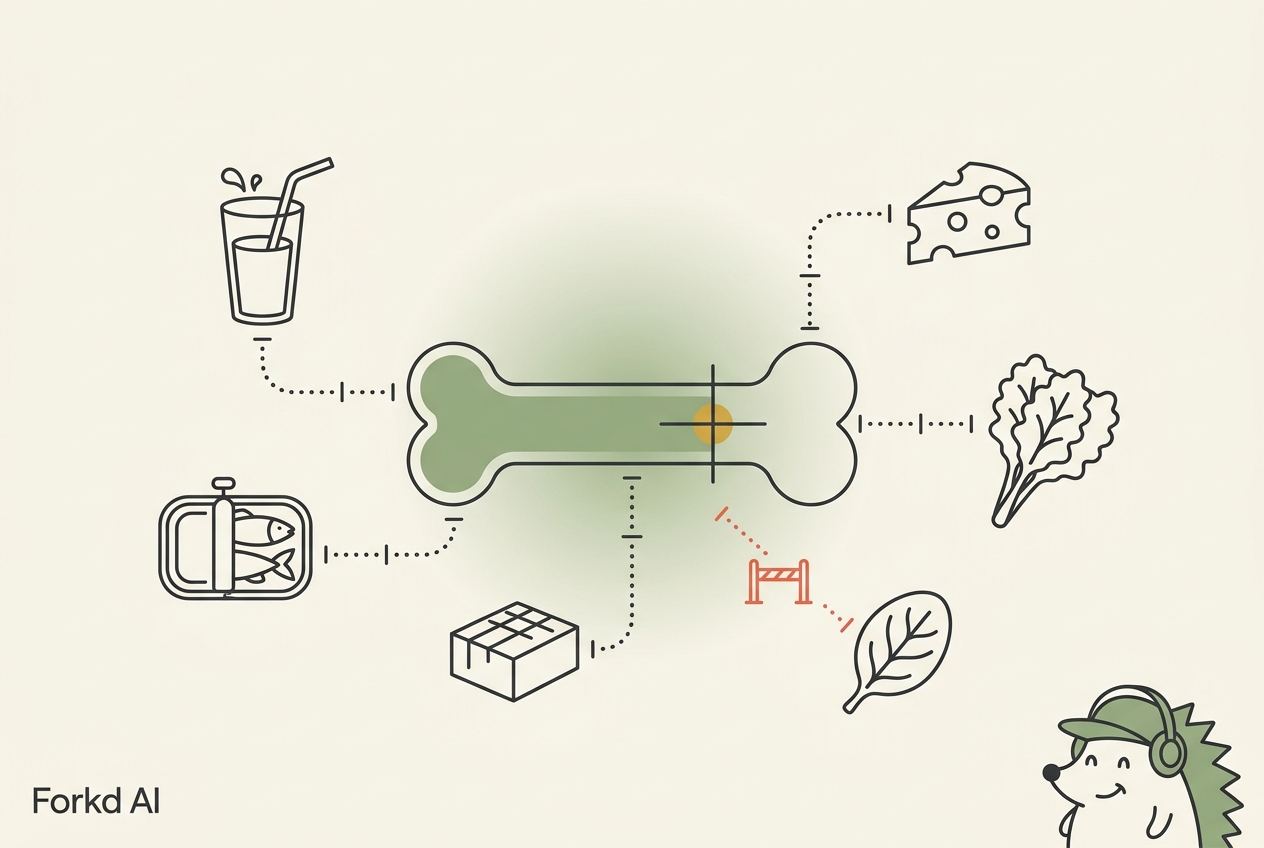
Foods High in Calcium (Including the Ones That Don't Come From a Cow)
USDA calcium values for dairy, fish, tofu, greens, and fortified foods, why spinach is a poor calcium source despite its numbers, and what the research says about supplements.
Read article →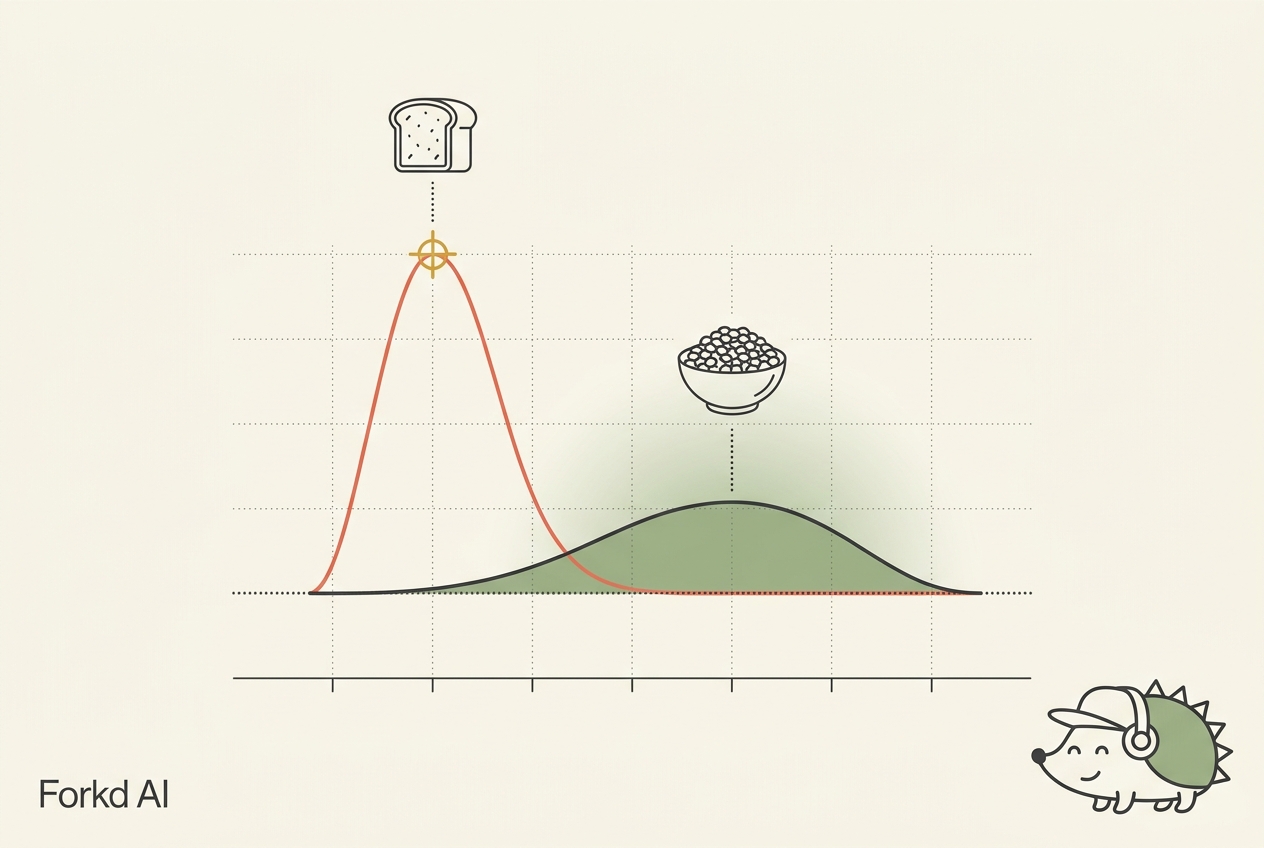
What Is Glycemic Index and Glycemic Load? A Useful Number With Real Limits
Glycemic index ranks how much a carb raises blood sugar. Glycemic load adds portion size. GI and GL values for common foods, how to use them, and what the research says they can and can't do.
Read article →
Does Counting Calories Work? What the Research Says (and Why It Fails So Many People)
Calorie counting works, though not because the numbers are precise. What the research on food tracking shows, where calorie counts go wrong, and how to track without burning out.
Read article →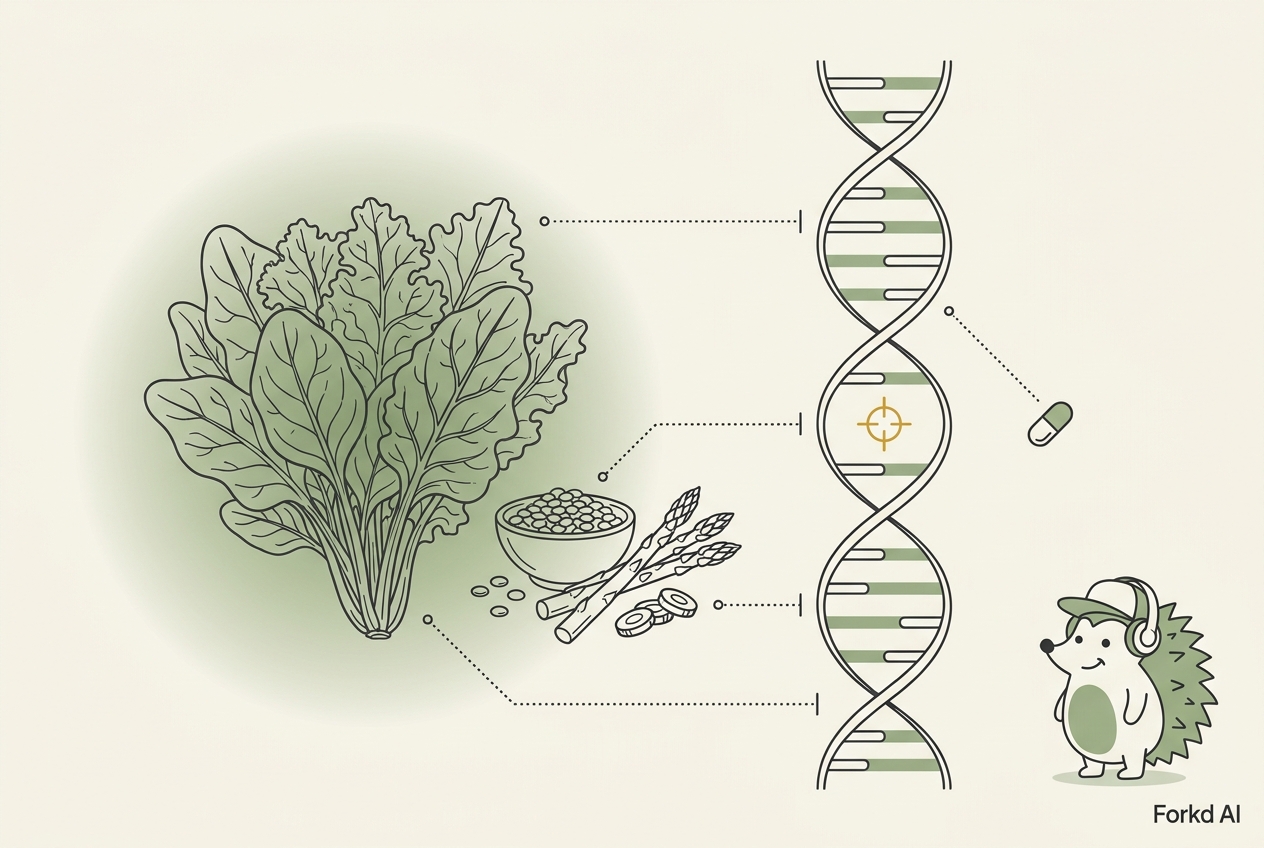
Foods High in Folate (and When Folic Acid Matters More)
USDA folate values for beans, leafy greens, liver, and enriched grains, the difference between folate and folic acid, and why 400 mcg matters before pregnancy.
Read article →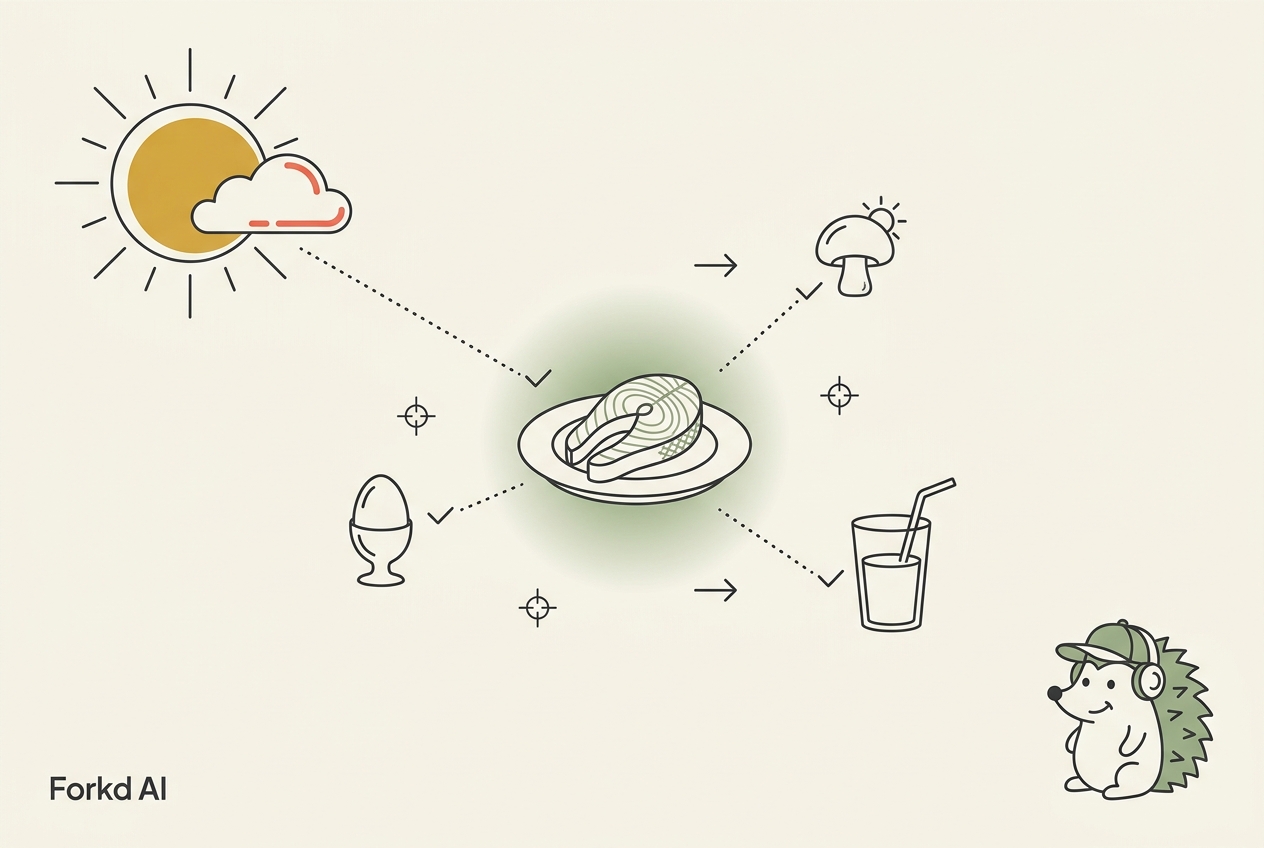
Foods High in Vitamin D (There Are Fewer Than You Think)
USDA vitamin D values for fish, mushrooms, eggs, and fortified foods, why food alone rarely covers your needs, and what the largest vitamin D trial found.
Read article →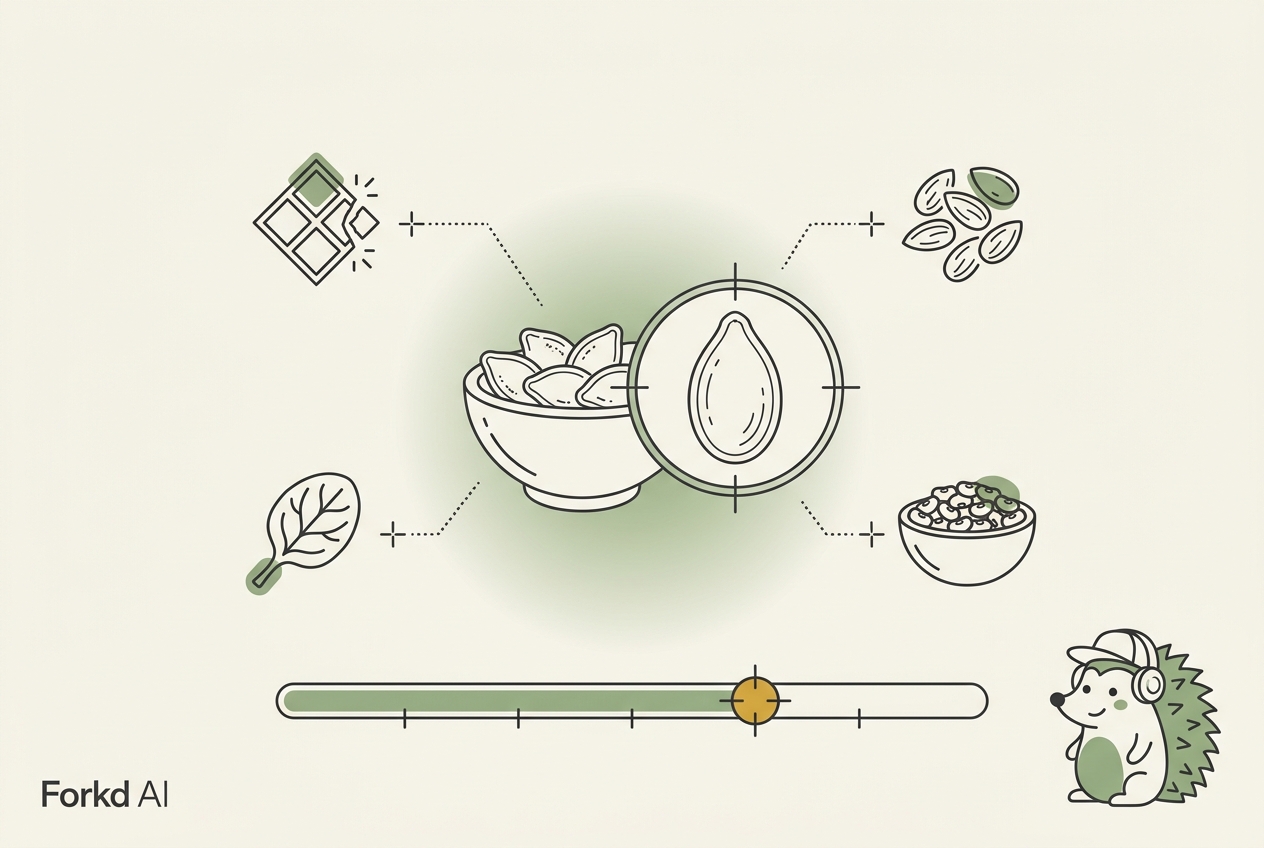
Foods High in Magnesium (and Why Nearly Half of Americans Fall Short)
USDA magnesium values for seeds, nuts, leafy greens, beans, and whole grains, how much you need, and what the research actually says about magnesium for blood pressure and sleep.
Read article →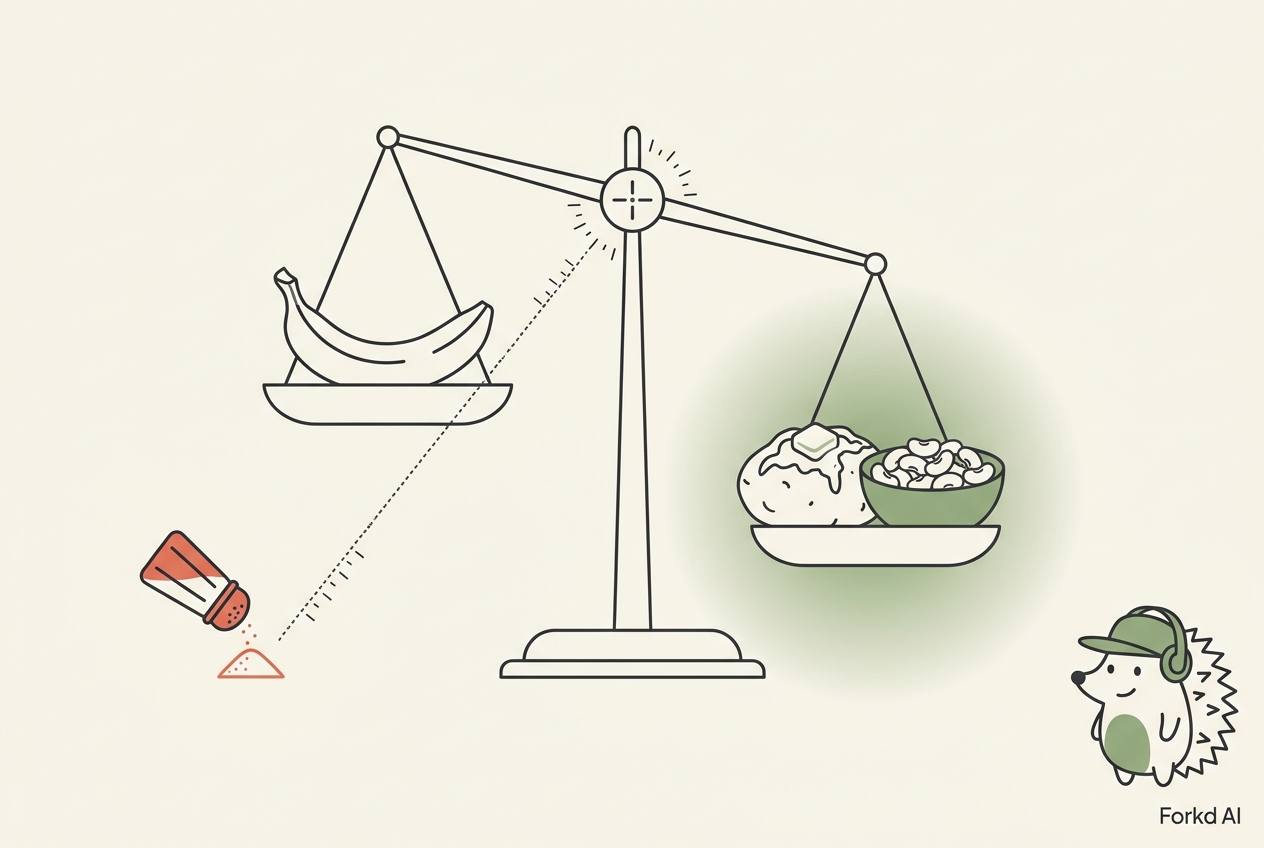
Foods High in Potassium (and Why the Banana Is Overrated)
USDA potassium values for potatoes, beans, leafy greens, fruit, and dairy, how much you need, and what a salt substitute trial of nearly 21,000 people found about potassium and stroke.
Read article →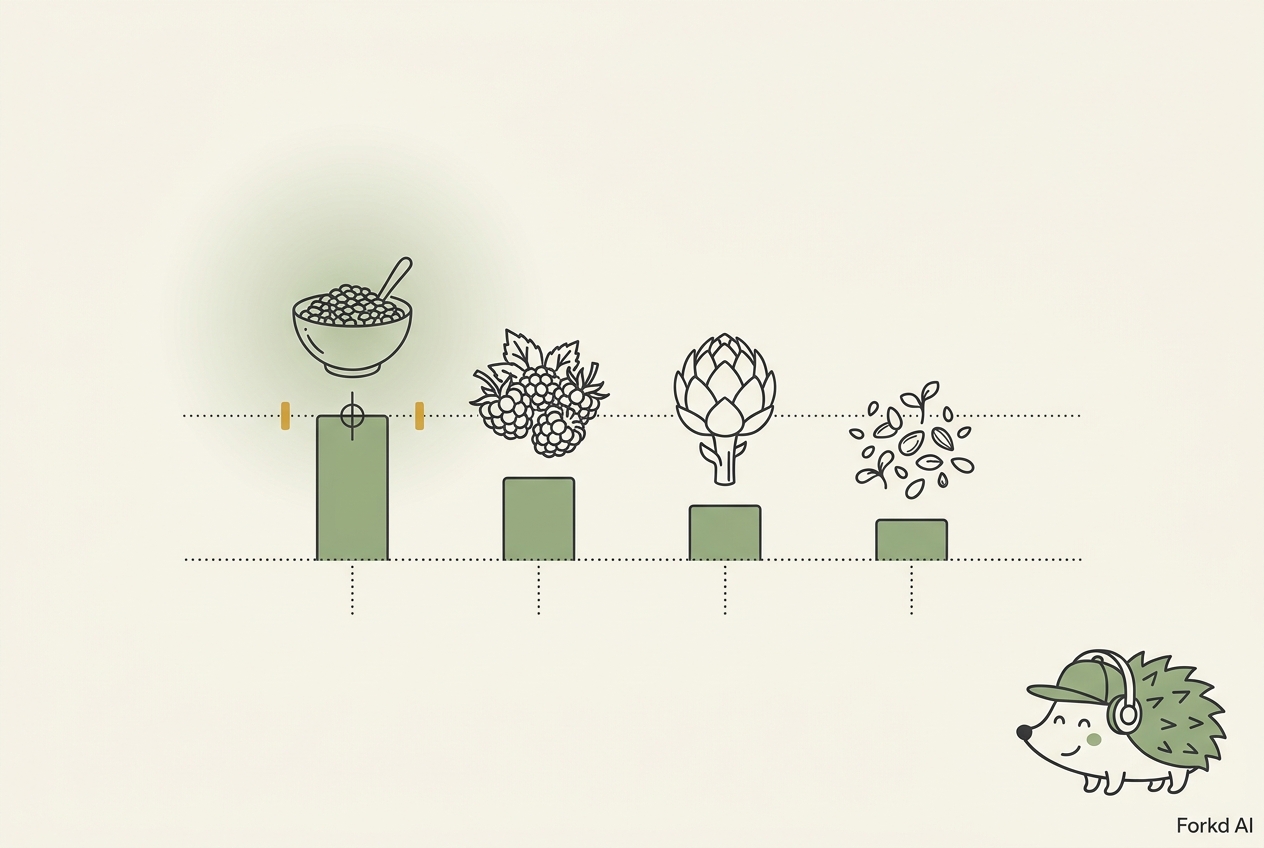
Foods High in Fiber: What 30 Grams a Day Looks Like on a Real Plate
USDA fiber values for beans, fruit, vegetables, seeds, and grains, which foods give you the most fiber per calorie, and an ordinary day of eating that reaches 37 grams.
Read article →
Foods High in Iron (And Why the Number on the Label Isn't What You Absorb)
USDA iron values for the highest-iron animal and plant foods, plus the absorption rules that decide how much of it your body actually keeps.
Read article →
Net Carbs vs Total Carbs: How to Calculate Net Carbs
Net carbs are total carbs minus fiber, with sugar alcohols subtracted on packaged foods. Here is how to calculate them, where the maths breaks down, and USDA numbers for common foods.
Read article →
How Much Protein Do I Need Per Day?
The 0.8 g/kg RDA is a floor, not a target. Here is what the research says about daily protein for muscle, weight loss, and ageing, with real food numbers from USDA data.
Read article →
Best Nutrition App for Type 2 Diabetes in 2026
Tracking carbohydrate intake is the most effective dietary lever for managing blood sugar in type 2 diabetes. Here are the best nutrition apps that make carb tracking practical and useful.
Read article →
Best Macro Tracker for Bodybuilders in 2026
Bodybuilders need macro tracking that handles high protein targets, diet phase switching, and accurate data through bulk and cut cycles. Here are the best apps in 2026.
Read article →
Best Food Diary App for PCOS in 2026
PCOS management benefits from tracking carbohydrates, protein, and key micronutrients, not just calories. Here are the best food diary apps that support PCOS nutrition goals.
Read article →
Best Calorie Tracker for Busy Parents in 2026
Busy parents need a calorie tracker that takes under 10 seconds, works during school drop-off and toddler naptimes, and doesn't require a database search for every meal. Here's what actually works.
Read article →
Best Food Tracker for Vegans in 2026
Vegan diets have specific nutritional gaps: B12, iron, calcium, zinc, omega-3s, and iodine. The best food tracking apps for vegans make these visible. Here's what to use.
Read article →
Best Iron Tracker for Women in 2026
Iron deficiency affects approximately 1 in 5 women of reproductive age. Here are the best apps for tracking dietary iron intake, and what to look for in a tracker that takes micronutrients seriously.
Read article →
Best Nutrition Tracker for Marathon Runners in 2026
Marathon training demands precision nutrition: carbohydrate periodisation, protein for recovery, and iron for endurance. Here are the best nutrition tracking apps for runners in 2026.
Read article →
Best Calorie Tracker for Pregnant Women in 2026
Pregnancy changes your nutritional needs dramatically. The best calorie trackers for pregnant women go beyond calorie counts to track folate, iron, calcium, and choline. Here's what to use.
Read article →
Best Calorie Tracker for Athletes in 2026
Athletes need more than a daily calorie limit. They need accurate macro tracking, periodisation support, and fast logging that fits a packed training schedule. Here are the best apps.
Read article →
Why Do You Overeat on Weekends? The Science Behind the Saturday Drift
Most adults eat significantly more on weekends without realising it, often enough to undo five careful weekdays. Here's what drives weekend overeating and how to close the gap without ruining Saturday.
Read article →
How Do You Stay Consistent With Healthy Eating? What Habit Research Actually Shows
Motivation fades. Willpower depletes. Research on habit formation shows that dietary consistency comes from structure and environment, not discipline. Here's how to build it.
Read article →
Does Eating Late at Night Affect Weight Loss? What the Research on Meal Timing Shows
Eating late isn't just about total calories, when you eat affects how your body processes food. Here's what chrononutrition research says about late eating and weight loss.
Read article →
How to Use Forkd: The Food Tracker You'll Actually Stick With
Forkd uses AI photo recognition to log meals in seconds, catches hidden calories most apps miss, and gives you weekly coaching in plain English. Here's how to get started and make it work.
Read article →
Best Calorie Tracker for Shift Workers in 2026
Shift workers eat at irregular hours, often under stress, in environments where food options are limited. Here's how to track nutrition effectively across rotating schedules, and which apps make it doable.
Read article →
Best Food Tracking App for Teenagers in 2026
Food tracking apps can help teenagers understand nutrition, but need careful use for adolescents given eating disorder risks. Here's how to approach it and which apps are safest.
Read article →
Best Calorie Counter for Seniors in 2026
Seniors need calorie trackers that are easy to use, track protein and vitamin D for muscle and bone health, and don't require tech fluency to get value from. Here are the best options.
Read article →
Does AI Food Tracking Actually Work With Your Cuisine? What 50+ Regional Databases Really Mean
Forkd supports 50+ country-specific cuisine databases so local dishes, regional ingredients, and cultural portion sizes are recognised accurately, not approximated from Western averages.
Read article →
Best Calorie Tracking Apps in 2026: Ranked After Testing Them
We ranked the best calorie tracking apps of 2026 by logging speed, database accuracy, pricing, and features, from AI photo loggers to clinical-grade nutrient trackers. Here's what actually holds up.
Read article →
The 30-Second Food Photo Fix That Makes AI Calorie Counting Dramatically More Accurate
Three photo adjustments, a utensil for scale, overhead angle, and natural light, consistently raise AI calorie accuracy from low to high confidence. Here's exactly what to do.
Read article →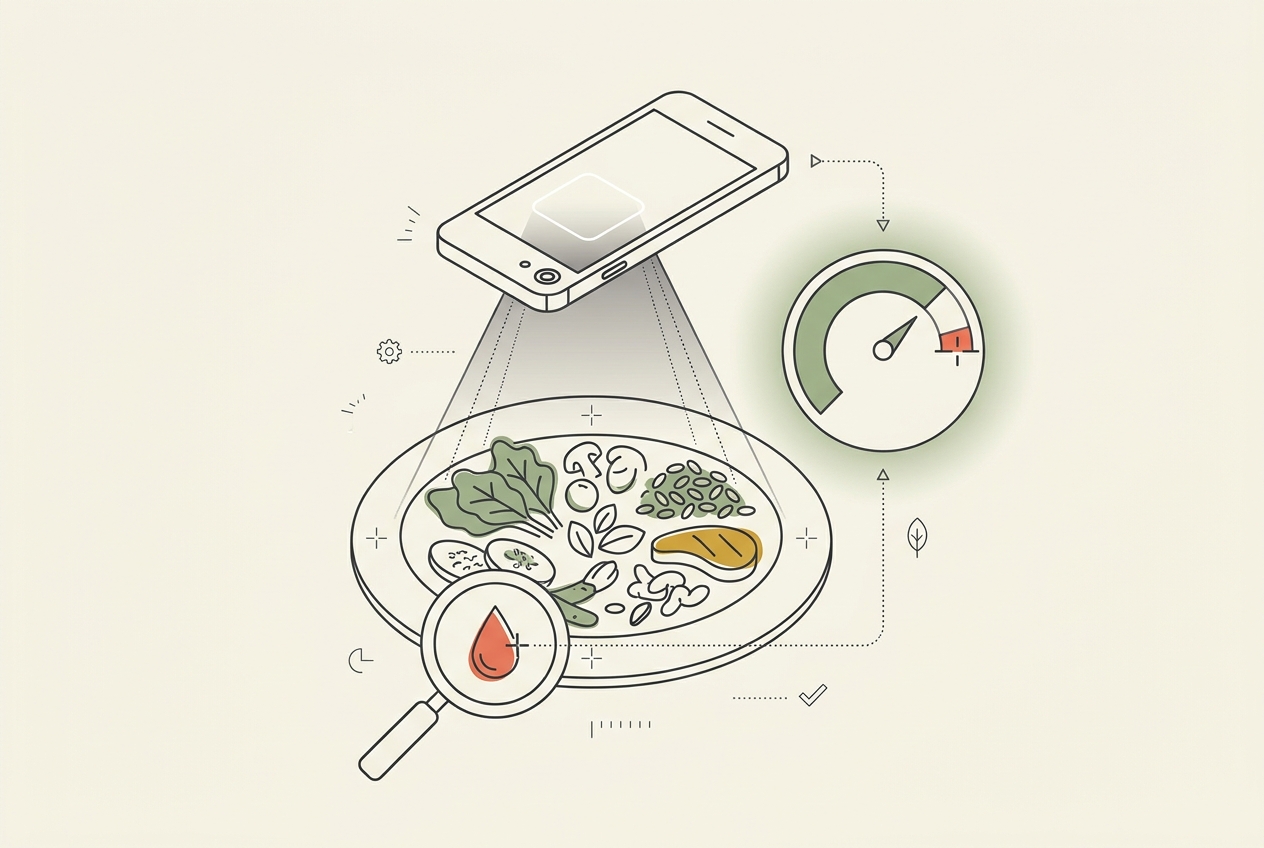
How Accurate Is AI Calorie Counting? What the Confidence Scores Really Mean
AI calorie counting is more accurate than self-reported tracking but imperfect. Learn what high, medium, and low confidence scores mean and how to use them reliably.
Read article →
Forkd vs Cal AI: A Photo-First Calorie Tracker Comparison (2026)
Both Forkd and Cal AI use AI photo recognition for calorie tracking, but Cal AI had a turbulent 2026. Here's an honest comparison of where each app stands now.
Read article →
You Know You Should Drink More Water. Here's What Actually Makes You Do It
Intentions don't build hydration habits, systems do. Research-backed strategies: a visible 1L bottle, pre-meal drinking, and three daily phone reminders that actually work.
Read article →
Water and Weight Loss: The Metabolic Connection Most Nutrition Advice Overlooks
Water is directly involved in fat metabolism, appetite regulation, and liver function. Learn the research-backed reasons hydration is essential for weight loss.
Read article →
Forkd vs Lose It!: Which Calorie Tracker Is Better in 2026?
Lose It! has a 27-million item food database and 4.7-star rating. Forkd has AI photo logging, fasting coaching, and a more complete free tier. Here's how they compare.
Read article →
How Much Water Should You Actually Drink? The Formula That Replaces '8 Glasses a Day'
'8 glasses a day' has no scientific basis. Your actual water need is calculated from your body weight and activity level, here's the formula that research supports.
Read article →
Hour by Hour: What's Actually Happening Inside Your Body During a Fast
From the first hour to fat-burning mode and beyond, a research-backed breakdown of exactly what your body does during a fast, hour by hour.
Read article →
Best Food Diary Apps in 2026: From Clinical-Grade Logs to Quick Photo Snapshots
A food diary app should fit your life, not demand a second career in data entry. Here are the best options in 2026 for different goals, habits, and logging styles.
Read article →
Best Barcode Scanner Food Tracker Apps in 2026: Scan, Log, Done
Barcode scanning is the fastest way to log packaged food accurately. Here are the food tracker apps in 2026 with the best barcode databases, fastest scan-to-log speed, and fewest paywalls.
Read article →
Best Calorie Counting Apps for Women in 2026: What Generic Trackers Miss
Most calorie apps are built around a generic adult model that doesn't account for women's different nutritional needs, hormonal patterns, and calorie minimums. Here's what to use instead.
Read article →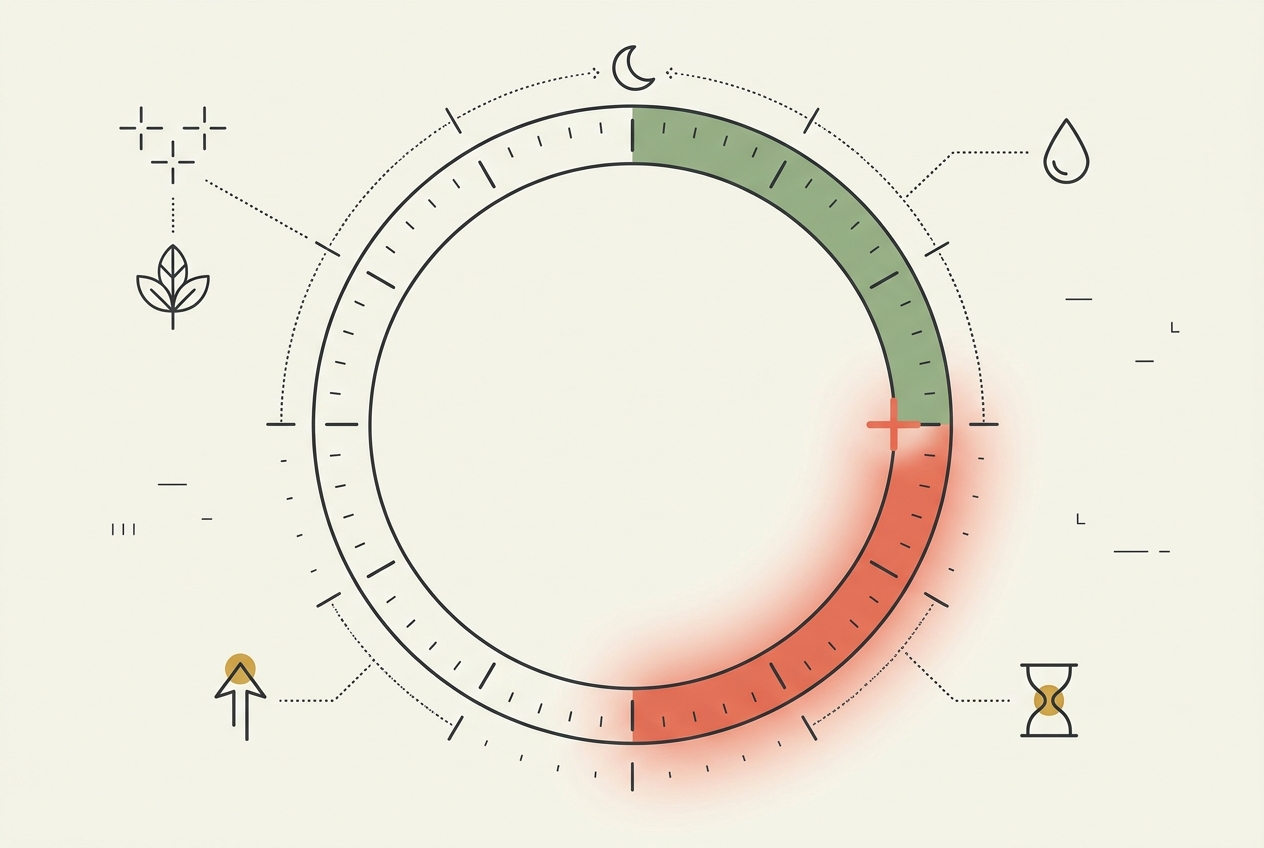
How Long Is Too Long to Fast? The Safety Line You Shouldn't Cross Without a Doctor
Most fasting is safe, but there's a line. Research and clinical guidelines identify 17+ hours as the threshold where risks escalate and medical supervision becomes advisable.
Read article →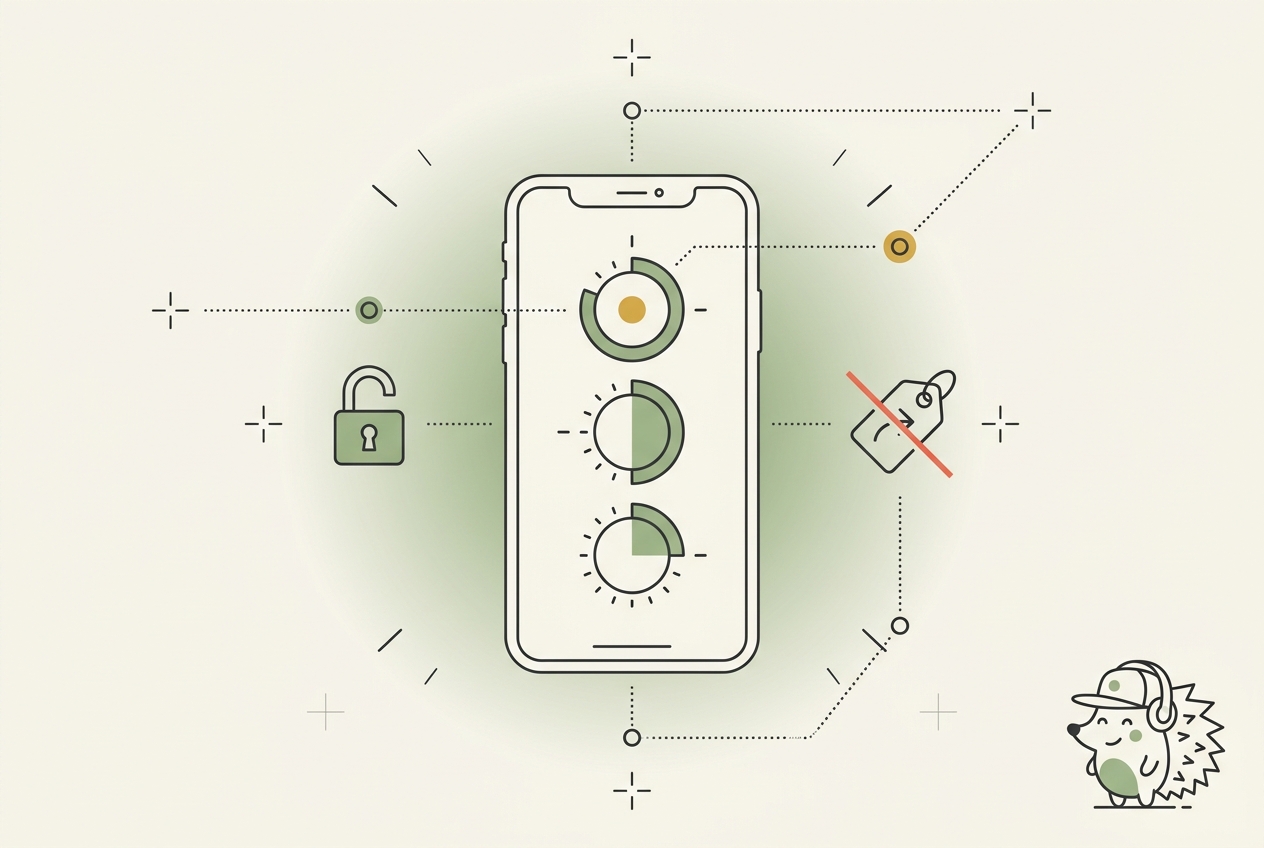
Best Free Calorie Counter Apps in 2026: What You Actually Get Without Paying
Free calorie tracking apps range from genuinely useful to barely functional demos. Here's what you can realistically do in 2026 with each major app's free tier, before paying anything.
Read article →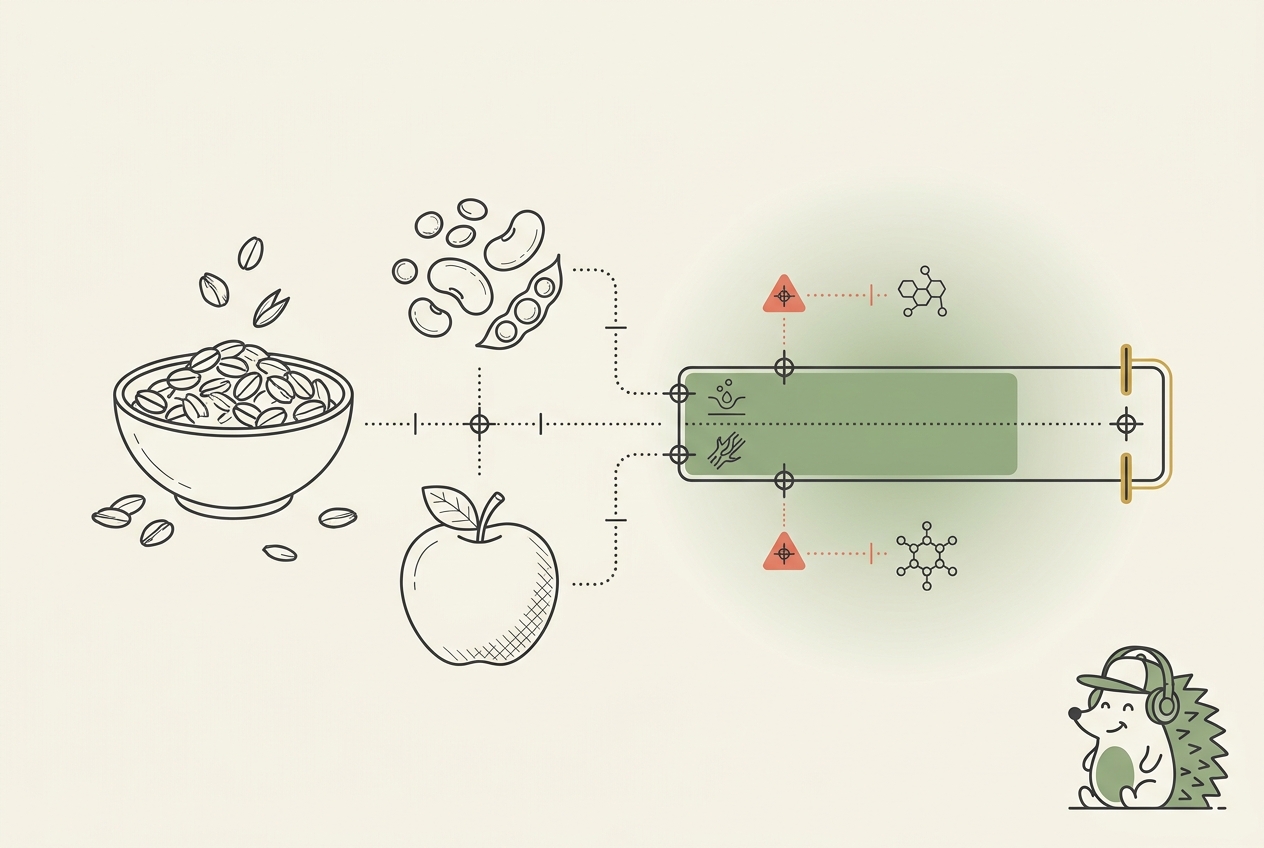
Best Fiber Tracking Apps in 2026: The Nutrient Most Calorie Counters Ignore
Most adults eat about half the fiber they need, and most calorie apps don't make it easy to spot the gap. Here are the best apps for tracking dietary fiber intake in 2026.
Read article →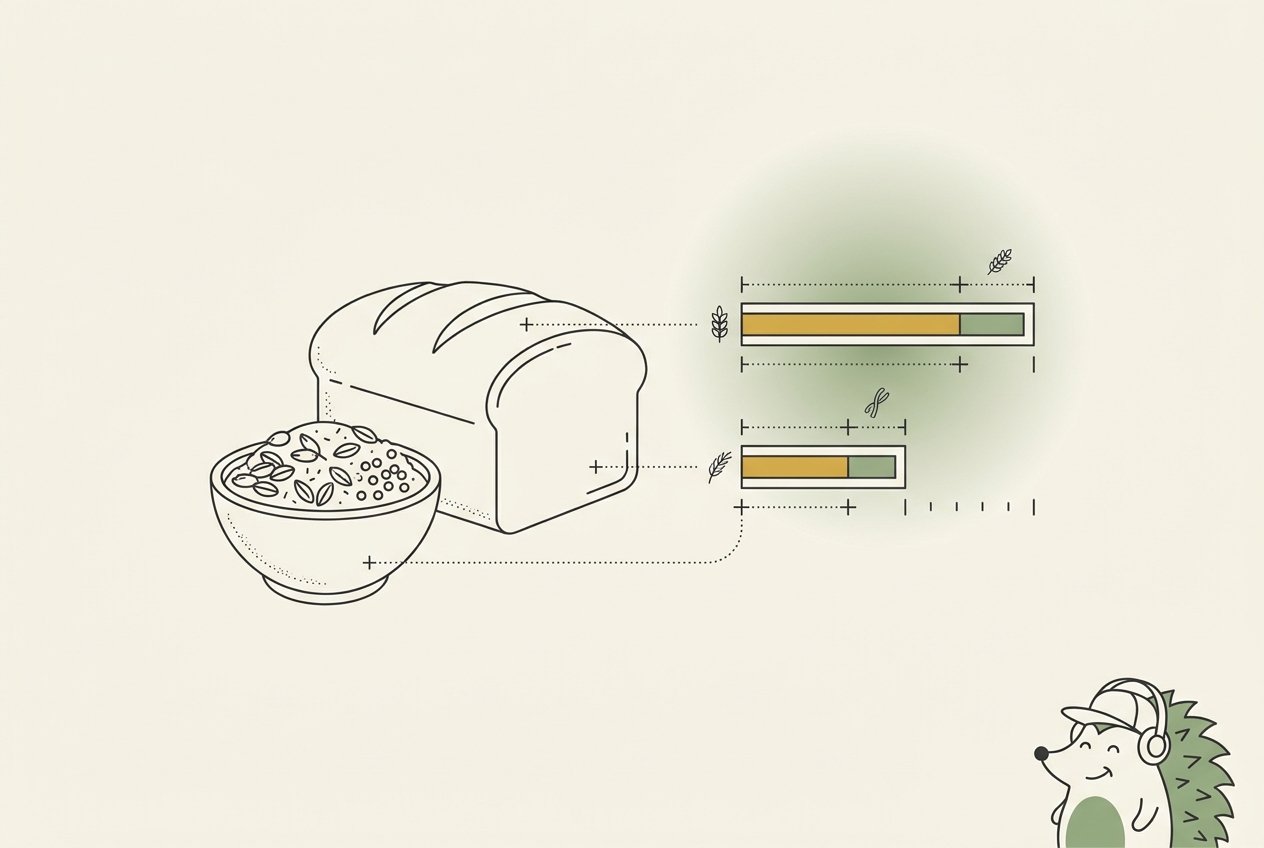
Best Carb Tracking Apps in 2026: Net Carbs, Total Carbs, and What Actually Matters
Whether you're managing blood sugar, following a low-carb diet, or just trying to understand where your energy comes from, these are the best apps for tracking carbohydrate intake in 2026.
Read article →
The Best Eating Window for Weight Loss, and Why Shorter Isn't Always Better
Research supports an 8–10 hour eating window for weight loss, but new cardiovascular data suggests 8 hours may be too short for long-term health. Here's what to aim for.
Read article →
Best Vitamin D Tracker Apps in 2026: The Nutrient Most Apps Miss
Vitamin D deficiency is widespread, especially for people in northern latitudes or with limited sun exposure, and dietary sources alone rarely cover it. Here's how to track it effectively.
Read article →
Best Apps to Track Iron Intake in 2026: Because Fatigue Isn't Always About Sleep
Iron deficiency is the most common nutritional deficiency globally, and it causes fatigue, brain fog, and poor concentration that most people attribute to other causes. Here are the best apps for tracking dietary iron in 2026.
Read article →
Does Intermittent Fasting Actually Work? What 100+ Randomised Trials Found
An umbrella review of 100+ randomised controlled trials confirms intermittent fasting works, but the full picture includes real risks worth knowing before you start.
Read article →
Best Protein Tracking Apps in 2026: Hit Your Grams Without the Mental Overhead
Most people under-eat protein, not because they don't care, but because they can't see the gap. Here are the best apps for tracking daily protein intake in 2026, from quick photo loggers to dedicated protein counters.
Read article →
Best Water Intake Tracker Apps in 2026: Because Thirst Is a Lagging Indicator
Your thirst signal lags behind actual dehydration by 1–2% of body weight, enough to impair cognition before you feel it. Here are the best apps for tracking daily water intake and building the habit.
Read article →
Best Micronutrient Tracking Apps in 2026: Beyond Calories to What Actually Fuels You
Most food apps track calories and macros. Only a few track the micronutrients, iron, calcium, vitamin D, magnesium, that drive energy, mood, and long-term health. Here's which ones to use.
Read article →
Best Intermittent Fasting Apps in 2026: Timers, Coaching, and Nutrition in One Place
The best intermittent fasting apps in 2026 do more than run a clock, they track what you eat during the eating window, adapt your fasting goals, and flag when longer fasts become risky. Here's what to use.
Read article →
Best Macro Tracking Apps in 2026: Protein, Carbs, and Fat, Tracked Properly
The best macro tracking apps do more than count calories, they set accurate targets, log quickly, and adjust as your body changes. Here's what to use in 2026.
Read article →
Best AI Calorie Counter Apps in 2026: Snap a Photo, Skip the Database
AI calorie counter apps let you log a meal by photographing it rather than searching a database. We compared the top options in 2026 on speed, accuracy, pricing, and what they miss.
Read article →
What Makes a Meal Nutritious?
A nutritious meal goes beyond calories. Discover the 6 evidence-based criteria, from food processing level to sugar and sodium, that define genuine meal quality.
Read article →
Forkd vs Foodvisor: Two AI Photo Loggers, Different Strengths
Forkd and Foodvisor both use AI to identify meals from photos. Here's how they compare on speed, accuracy, food coverage, fasting features, and what you get without paying.
Read article →
Forkd vs MacroFactor: Free Coaching vs Adaptive Algorithm
MacroFactor's adaptive calorie algorithm updates your targets based on real-world trends. Forkd offers AI photo logging, fasting tracking, and coaching, with a free tier. Here's how they differ.
Read article →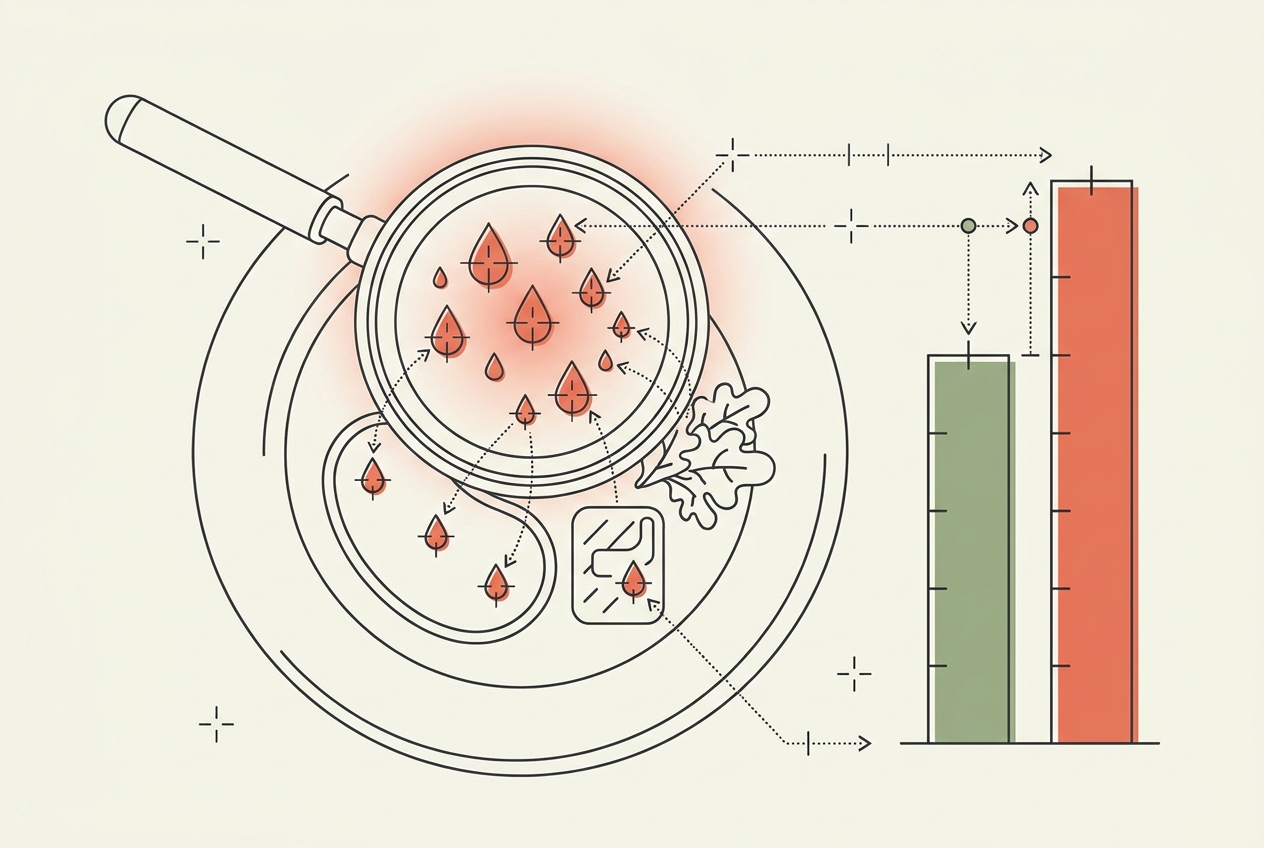
Why Your Food Log Is Lying to You (and How to Fix It)
Studies consistently find people under-report calories by 20-40%, not from dishonesty, but from a handful of predictable blind spots. Here are the big five, ranked by damage.
Read article →
Forkd vs Cronometer: Speed and Coaching vs Nutritional Depth
Cronometer tracks 84 nutrients with clinical-grade accuracy. Forkd logs a meal in under 10 seconds with AI photo and adds fasting coaching. Here's how to decide which fits your goals.
Read article →
What Micronutrients Should I Track?
Forkd tracks 15 essential micronutrients with gender- and age-specific RDAs. Learn which ones matter most, what deficiency looks like, and why most people fall short.
Read article →
How Much Fiber Should I Eat Daily?
WHO recommends 25–30g of fiber per day, yet most people get half that. Learn why fiber is essential for weight loss, digestion, and long-term health, backed by research.
Read article →
How Much Protein Do I Need Per Meal?
Research shows 20–30g of protein per meal optimally stimulates muscle protein synthesis. Learn what that looks like in practice and why it matters for weight loss.
Read article →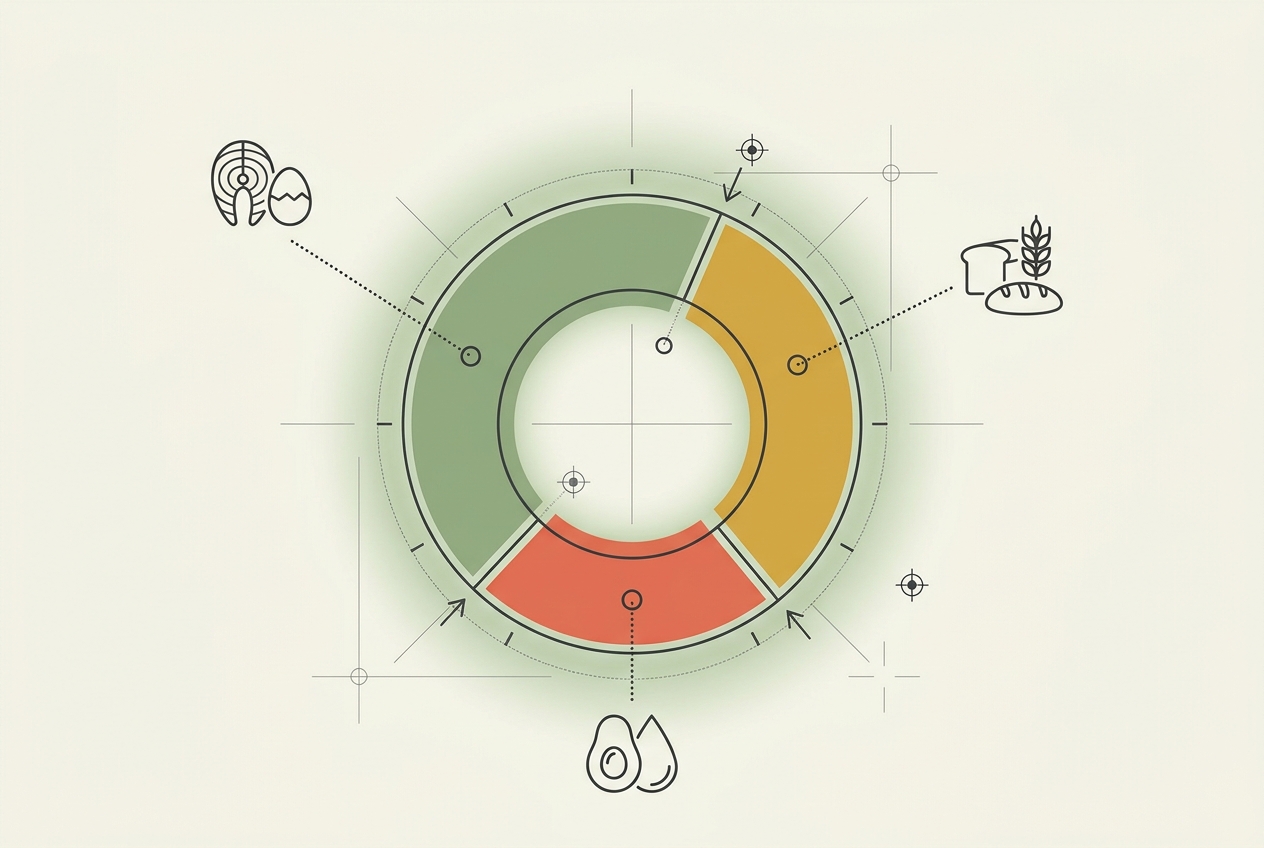
What's the Right Macro Split for My Diet?
Science-backed macro splits for balanced, keto, high-protein, paleo, and more diets, and why total calories matter more than the ratio you choose.
Read article →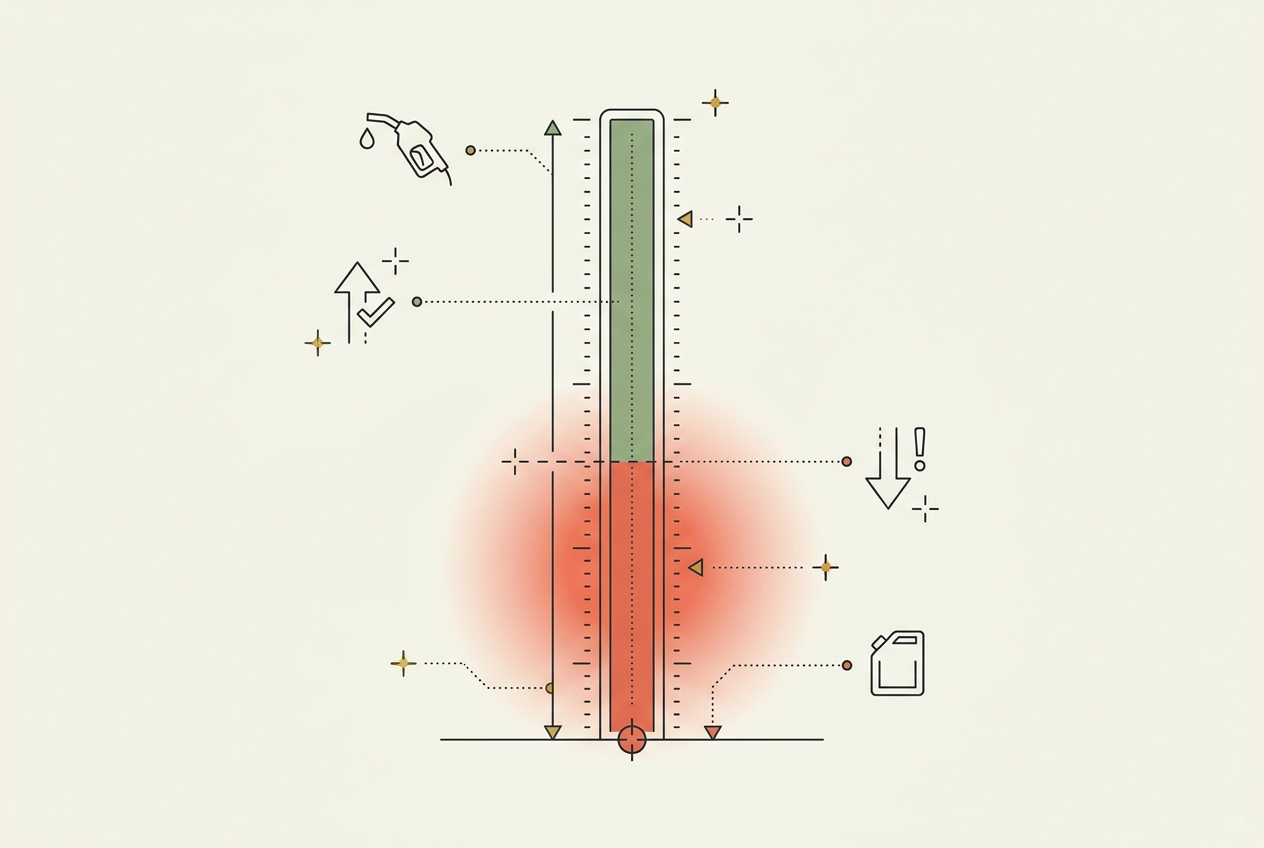
What's the Minimum Calories I Should Eat?
Research-backed minimum calorie guidelines: 1,200 kcal/day for women, 1,500 kcal/day for men. Learn why going lower risks your health, and when exceptions apply.
Read article →
How Long Will It Take to Reach My Goal Weight?
Find out how long weight loss actually takes based on your current weight, goal, and chosen pace, with realistic timelines backed by research.
Read article →
What's a Healthy BMI and What Does Mine Mean?
Understand your BMI number, what the categories mean for your health, and the real limitations of BMI as a health metric, backed by research.
Read article →
How Many Calories Should I Eat to Lose Weight?
Learn how to calculate your calorie target for weight loss using the Mifflin-St Jeor formula, activity multipliers, and a research-backed 7,700 kcal/kg deficit.
Read article →
What is a Safe Weekly Weight Loss Rate?
Research shows 0.5 kg/week is the optimal safe weight loss rate for preserving muscle and avoiding health risks. Learn what the science actually says.
Read article →Get Forkd Emails
Get new articles in your inbox
One useful email at a time, new guides, calorie-counted recipe collections, and simple nutrition tips from Forkd. No spam.