Best Apps to Track Iron Intake in 2026: Because Fatigue Isn't Always About Sleep
The Short Answer
The best apps for tracking iron intake in 2026 are Cronometer (tracks iron in all 84 micronutrients with verified USDA data, free tier available), Forkd (tracks iron alongside key micronutrients integrated with AI photo logging), and Iron Counter and Tracker (a dedicated iron-only app with barcode scanning, no subscription required). For most people, Cronometer or Forkd give more complete nutritional context around iron.
Disclaimer
This article is for information only and does not replace medical advice. Needs vary with age, sex, and situation (pregnancy, conditions, medication): if in doubt or symptomatic, talk to a health professional.
Why Track Iron Intake With an App?
Iron deficiency is the most common nutritional deficiency worldwide. The groups at highest risk: women of reproductive age (due to menstrual losses), pregnant women, vegetarians and vegans (plant-based iron is less bioavailable than heme iron from animal products), endurance athletes (iron loss through sweat and red blood cell turnover), and anyone in a calorie deficit (compressed food variety increases the risk of shortfalls).
The symptoms, fatigue, difficulty concentrating, shortness of breath, cold sensitivity, are easy to misattribute to sleep, stress, or overwork. Without tracking, the connection between what you're eating and how you feel stays invisible.
The standard dietary reference intake for iron is 8mg/day for adult men, 18mg/day for premenopausal women, and 27mg/day during pregnancy. Post-menopausal women drop back to 8mg/day. These differences are large enough that your gender and life stage significantly change what "adequate iron intake" looks like.
Which Apps Track Iron Intake Well?
Cronometer, Best Overall for Dietary Iron Data
Cronometer tracks iron as part of its 84-nutrient breakdown using verified data from the USDA NCCDB. Every food entry includes iron content, and the daily summary shows your iron intake as a percentage of your personalised RDA target, with colour coding that makes gaps immediately visible.
The free tier includes unlimited food logging with full micronutrient tracking. This means you can track dietary iron at clinical-grade accuracy without paying. Cronometer Gold ($49.99/year) adds fasting tracking, advanced reports, and export to PDF, useful if you're sharing data with a dietitian who manages your iron status.
One practical advantage: the amino acid tracking means you can see whether your iron sources are coming from heme iron (animal foods, higher bioavailability) or non-heme iron (plant foods, lower bioavailability), which matters when interpreting your numbers.
Forkd, Iron Tracking Integrated With Daily Food Logging
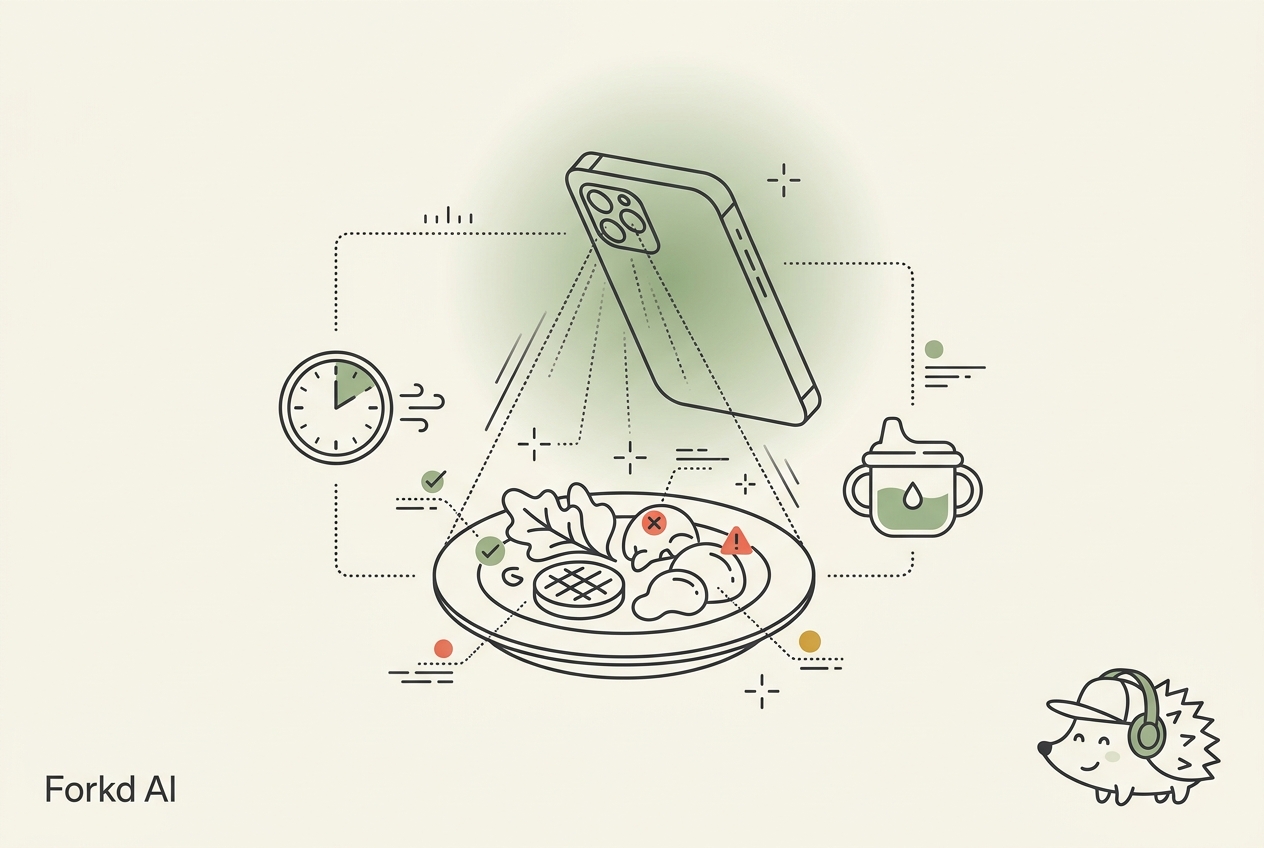
Forkd tracks iron alongside calcium, key B vitamins, and vitamin D as part of its standard nutritional logging. The AI photo logging means you're getting iron data from every meal without separate manual entry, photograph your plate, confirm the AI's estimate, and your iron log for that meal is done.
Weekly insights from Forkie can surface sustained iron gaps: if you've been consistently low on iron for several days, the coaching system identifies it and suggests practical food adjustments, adding lentils, red meat, or fortified cereals, rather than just displaying a number.
Best for: people who want iron tracking as part of a broader nutrition picture rather than a standalone metric, with fast everyday logging.
Iron Counter and Tracker, Best Dedicated App
Iron Counter and Tracker by First Line Medical Communications is a focused single-purpose app: you log foods, it shows your iron content. Key advantages: no ads, no subscription, no registration required. Barcode scanning for packaged foods is included. The app integrates with Apple Health.
You can set a custom daily iron target, add your own foods and recipes, and adjust serving sizes. The interface is simple and functional rather than polished. It does the job without asking you to sign up for anything.
Best for: people who want to track iron specifically, without the complexity of a full nutrition app and without any ongoing cost.
What Are the Best Food Sources of Iron to Log?
There are two types of dietary iron: heme iron (from animal sources) and non-heme iron (from plant sources). Heme iron has roughly 15–35% absorption rate; non-heme iron absorbs at 2–20%, depending heavily on what else is in the meal.
High heme iron sources:
- Beef liver: ~5mg per 85g serving
- Beef: ~2.5mg per 85g
- Chicken liver: ~11mg per 85g
- Oysters: ~8mg per 85g
- Sardines: ~2.5mg per 100g
High non-heme iron sources:
- Fortified cereals: varies, often 10–18mg per serving
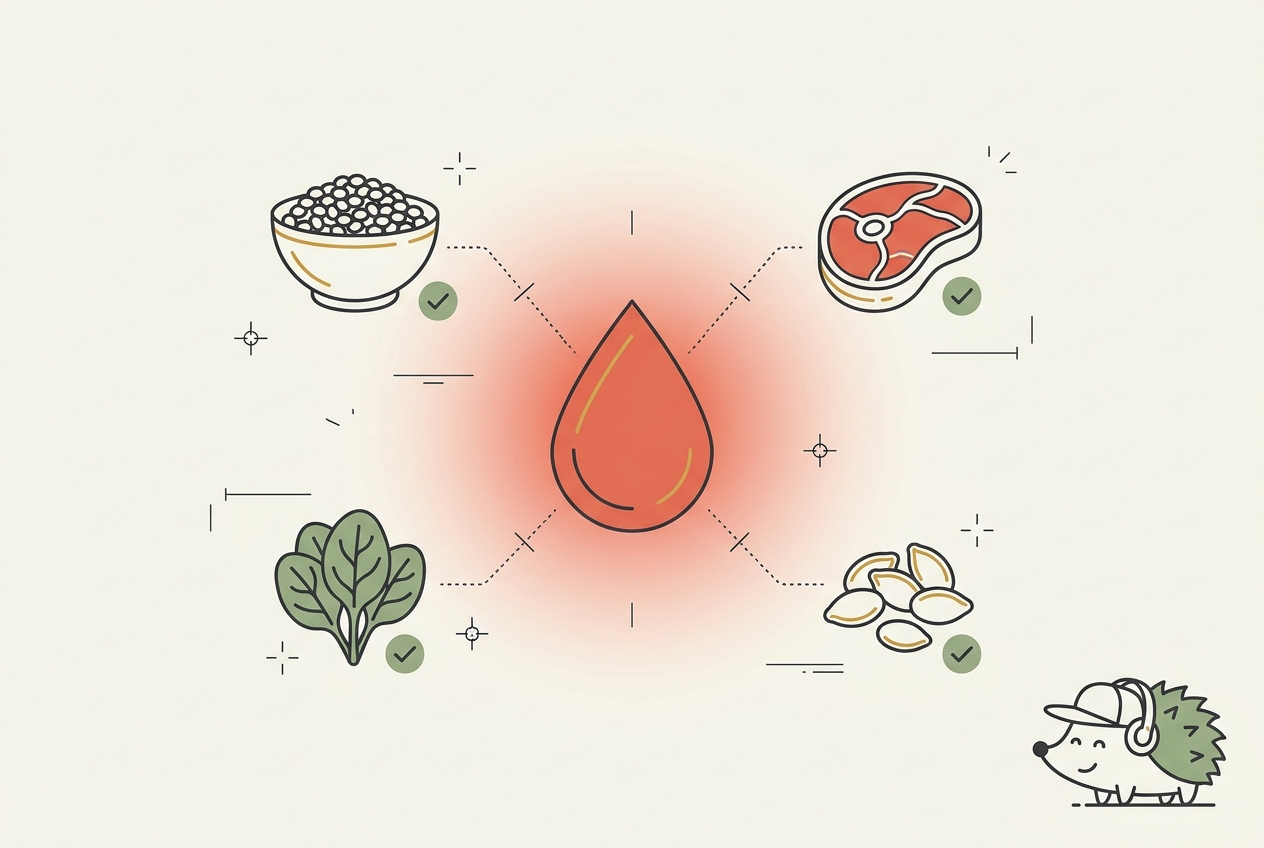
- Lentils: ~3.3mg per 100g cooked
- Tofu: ~2.7mg per 100g
- Spinach: ~2.7mg per 100g cooked
- Pumpkin seeds: ~2.5mg per 28g
Vitamin C consumed at the same meal significantly increases non-heme iron absorption. Adding a tomato to a lentil dish, or drinking a small glass of orange juice with a fortified cereal, can increase the iron available for absorption by 3–4 times. Logging iron alongside vitamin C intake gives you the most accurate picture of how much iron you're actually absorbing.
When Should Iron Tracking Prompt a Blood Test?
App tracking gives you dietary iron intake, how much iron you're consuming. It doesn't tell you your body's iron stores (ferritin), your haemoglobin levels, or whether you have iron deficiency anaemia.
Request a blood test if:
- Your dietary iron has been consistently below your RDA for two or more weeks
- You have persistent unexplained fatigue that doesn't improve with sleep
- You're pregnant, planning pregnancy, or postpartum
- You're a vegetarian or vegan with symptoms suggesting deficiency
- You're a female endurance athlete with heavy training
A full blood count plus ferritin test gives you the actual clinical picture. Dietary data from an app is a useful prompt, not a diagnosis.
Frequently Asked Questions
Can I Track Heme vs Non-Heme Iron in an App?
Most general nutrition apps don't separate heme and non-heme iron, they report total iron content from the food database. Cronometer is the most detailed in this area, providing iron values sourced from USDA data that differentiates between animal and plant sources. The practical implication is that your total dietary iron number overstates absorbable iron if most of it comes from plant sources.
Does Taking Iron Supplements Show Up in App Tracking?
Not automatically, supplements don't come from food logging. Most nutrition apps let you manually log supplements as custom entries. If you're taking iron supplements, log them separately and add them to your daily total to get a complete picture of your iron intake.
What Foods Block Iron Absorption?
Calcium (found in dairy and calcium-fortified foods) inhibits non-heme iron absorption when consumed at the same meal. Tannins in tea and coffee also reduce iron absorption. For people who need to maximise iron intake, separating dairy and caffeinated drinks from iron-rich meals by an hour or two is worth doing, and tracking the timing helps identify whether this is happening.
Is an Iron Tracker App Enough to Manage Iron Deficiency Anaemia?
No. Iron deficiency anaemia is a medical condition that requires clinical management, blood tests to confirm, appropriate iron supplementation dosed by a clinician, and monitoring of response. A dietary tracking app can help you optimise your food sources of iron alongside medical treatment, but it's not a substitute for clinical care.
Key Takeaways
- Iron deficiency is the most common nutritional deficiency worldwide, women of reproductive age, vegetarians, and anyone in a calorie deficit are at highest risk
- Cronometer tracks iron with verified USDA data in its free tier; Forkd integrates iron tracking into everyday photo logging; Iron Counter and Tracker is a free dedicated app with no subscription
- Women of reproductive age need 18mg of iron daily, more than double the 8mg target for men, and dietary tracking helps make that gap visible
- Non-heme iron from plants absorbs at 2–20%; pairing plant iron sources with vitamin C at the same meal significantly increases absorption
- Sustained dietary shortfalls should prompt a blood test (ferritin + haemoglobin), dietary data gives you intake, not iron status
Written by
Vineet Karhail builds Forkd, the AI-powered calorie and nutrition tracking app, and writes its research-backed guides on calories, macros, and micronutrients.