Best Food Diary Apps in 2026: From Clinical-Grade Logs to Quick Photo Snapshots
The Short Answer
The best food diary apps in 2026 are Forkd (fastest logging via AI photo, with fasting and coaching built in), Cronometer (most nutritionally complete, ideal for structured dietary monitoring), FoodNoms (best privacy-first iOS option), and Ate (best qualitative approach for people who find numbers counterproductive). The right app depends on whether you want numbers and data, visual reflection, or coaching around your patterns.
Disclaimer
This article is for information only and does not replace medical advice. Needs vary with age, sex, and situation (pregnancy, conditions, medication): if in doubt or symptomatic, talk to a health professional.
What Makes a Good Food Diary App in 2026?
A food diary is only useful if you use it consistently. The research on self-monitoring and dietary behaviour is clear: logging frequency matters more than logging perfection. An imperfect log five days a week does more than a perfect log you abandon in week three.
The two things that determine whether you stick with a food diary:
Logging speed. Anything that takes more than 60–90 seconds per meal introduces enough friction to break the habit under stress. The transition from database searching to AI photo logging has cut average logging time from 2–3 minutes per meal to under 10 seconds for photo-first apps. That gap compounds across every meal, every day.
What you do with the data. A food diary that shows you numbers without context produces raw data. A food diary that surfaces patterns, "your Tuesdays are reliably low on protein", produces information you can act on. Coaching and insights, rather than just logging, are what turn data into changed behaviour.
Which Food Diary Apps Are Worth Using?
Forkd, Fastest Logging with Built-In Coaching
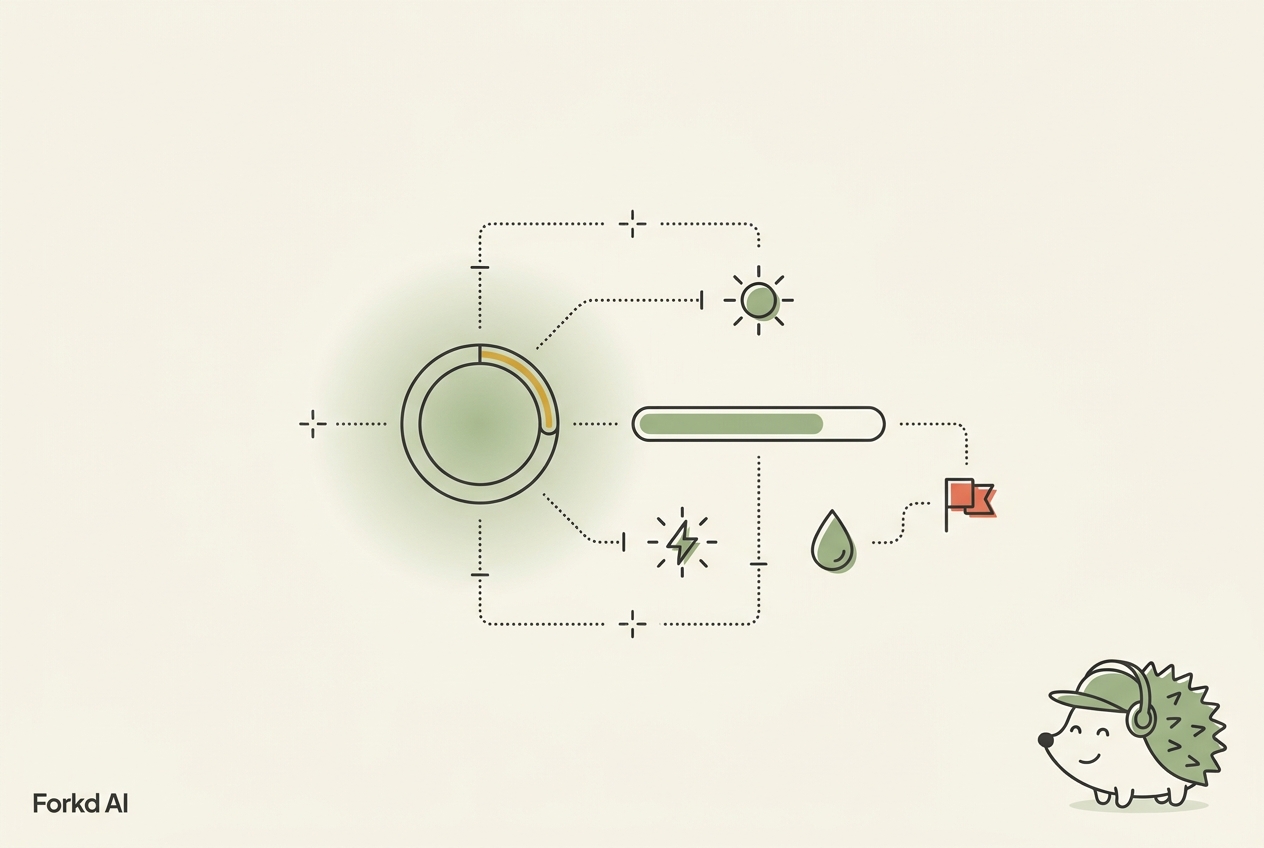
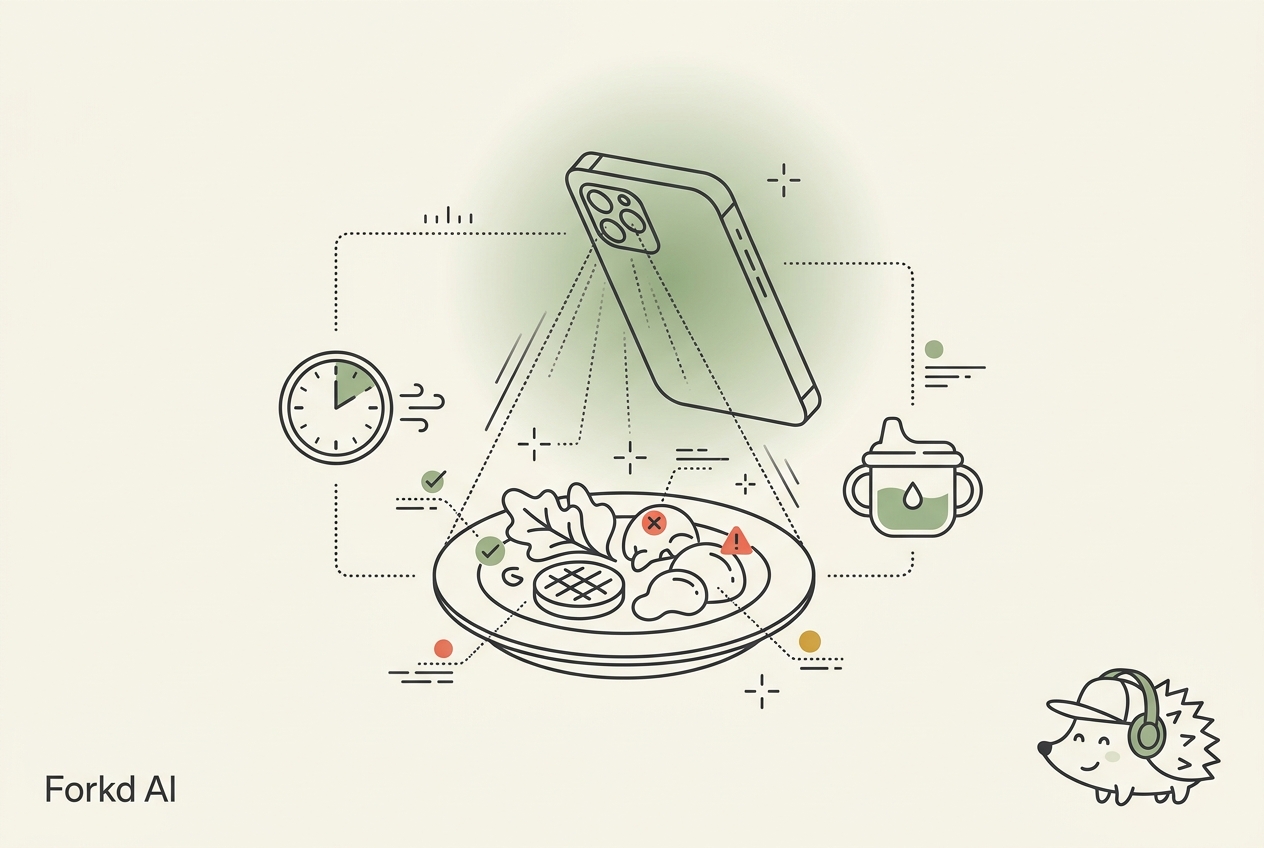
Forkd's daily food diary combines AI photo logging (under 10 seconds per meal), barcode scanning, and text entry in one app. The diary shows the day's intake as a visual dashboard with progress rings for calories, protein, and other macros, so you can see where you stand before the next meal, not after.
The fasting timer runs alongside the food diary, so if you practice intermittent fasting, both are in the same app. Weekly insights from Forkie turn your diary data into plain-English coaching: what went well, one thing to try differently, specific patterns worth knowing.
For people who've abandoned food diaries before because they were too slow or only showed numbers without context, this is the most complete redesign of the daily food log in the category.
Cronometer, Most Nutritionally Complete Diary
Cronometer produces the most nutritionally detailed food diary in the category. Every logged meal shows 84 nutrients, not just calories and macros. Daily and weekly reports show nutritional adequacy across vitamins, minerals, amino acids, and fatty acids, useful for anyone managing specific dietary conditions, working with a dietitian, or monitoring micronutrient intake over time.
Free tier includes unlimited logging and full nutrient reports. The interface is functional rather than polished, with a learning curve for new users, but the data depth rewards the investment.
Best for: people who want their food diary to answer questions beyond "how many calories did I eat today?"
FoodNoms, Best Privacy-First iOS Option
FoodNoms is an iOS-exclusive food diary that prioritises privacy and simplicity. There's no account required, data stays on-device rather than in the cloud, and the logging interface uses natural language or photo recognition. For Apple users who want a fast, private food diary without cloud sync or account creation, FoodNoms is the cleanest option.
Best for: privacy-conscious Apple users who want a fast diary without sharing data with an external service.
Ate, Best Qualitative Photo Diary
Ate takes a different approach than every app on this list: no calories, no macros, no numbers at all. You photograph your meals and tag each as "on path" or "off path" based on your personal eating goals. The app builds a visual timeline of your eating patterns over days and weeks.
Best for: people who find numerical calorie tracking increases food-related anxiety, or who want to build awareness of eating patterns without the cognitive load of counting. Research on mindfulness-based eating approaches suggests that qualitative photo diaries can be as effective as calorie counting for some people in changing dietary awareness.
What Should You Actually Log in a Food Diary?
The minimum useful daily food diary:
- Every meal and snack with approximate portion size
- Beverages other than plain water (particularly those with calories)
- Cooking fats and oils (the most commonly missed entries)
- Condiments and sauces (the second most commonly missed category)
What most people miss in their food diaries:
- The tablespoon of oil used for cooking (typically 100–120 calories)
- Salad dressings (often 150–200 calories per serving)
- Coffee additions, milk, sugar, cream, which accumulate significantly across multiple coffees
- Small bites and tastes during cooking ("cook's tax")
An honest food diary that includes these tends to be 300–500 calories higher per day than a diary that misses them. For people wondering why their calorie-tracked intake doesn't explain their weight trend, this gap is usually the first thing to investigate.
How Long Should You Keep a Food Diary?
Food diaries don't need to be permanent. Research on self-monitoring suggests that the largest behaviour change benefits from logging happen in the first 4–12 weeks of consistent tracking, when dietary patterns are first being made visible and habits are forming.
After an initial consistent tracking period, many people shift to intermittent logging: tracking for a few days every month, or returning to the diary when weight or eating patterns feel like they're drifting. This captures most of the benefit without the indefinite daily overhead.
The goal is calibration, not surveillance. Once your intuition about what you're eating is accurate, which consistent logging builds, you need the diary less often.
Frequently Asked Questions
What's the Difference Between a Food Diary App and a Calorie Tracking App?
They're largely the same thing. "Food diary" is the older term; "calorie tracking app" is the more common modern framing. The distinction is more about emphasis: a food diary focuses on recording what you eat as a log, while a calorie tracking app emphasises hitting a numerical daily target. The same apps often serve both purposes, the difference is usually in how you use them.
How Honest Do I Need to Be in My Food Diary?
As honest as you can manage. The diary is only useful as information, it doesn't judge you and nobody else sees it. Users who are more honest in their food diaries consistently produce better outcomes than those who under-log "bad" days, because an accurate problem diagnosis leads to better solutions. Logging a meal you're not proud of is more useful than leaving it blank.
Can I Use a Food Diary App on Multiple Devices?
Most apps with cloud-based accounts sync across devices automatically, you can log on your phone and view data on a tablet or browser. FoodNoms is the exception: it's iOS-only with on-device storage, meaning no cross-device sync by default.
Does Keeping a Food Diary Lead to Obsessive Eating?
For most people, no, the evidence links food journaling to improved dietary outcomes and increased dietary awareness without increasing food anxiety. For people with a history of eating disorders or restrictive eating patterns, calorie-focused food diaries can be counterproductive and a more qualitative approach (like Ate's photo diary) is worth considering. If tracking consistently increases food-related distress rather than useful awareness, discuss it with a healthcare provider.
Key Takeaways
- Logging consistency matters more than logging perfection, an imperfect daily diary beats a perfect one you abandon in week three
- Forkd is the fastest everyday food diary with AI photo logging and coaching; Cronometer is the most nutritionally detailed; FoodNoms is best for privacy-conscious iOS users; Ate works best for qualitative food reflection without numbers
- Cooking fats, dressings, and coffee additions are the most commonly missed food diary entries, they account for 300–500 calories per day in most honest diaries
- Food diaries don't need to be permanent, 4–12 weeks of consistent logging builds the dietary intuition that makes the diary less necessary over time
- Honest logging is more useful than selective logging, the diary works as information, not as a judgement
Written by
Vineet Karhail builds Forkd, the AI-powered calorie and nutrition tracking app, and writes its research-backed guides on calories, macros, and micronutrients.