How Long Is Too Long to Fast? The Safety Line You Shouldn't Cross Without a Doctor
The Short Answer
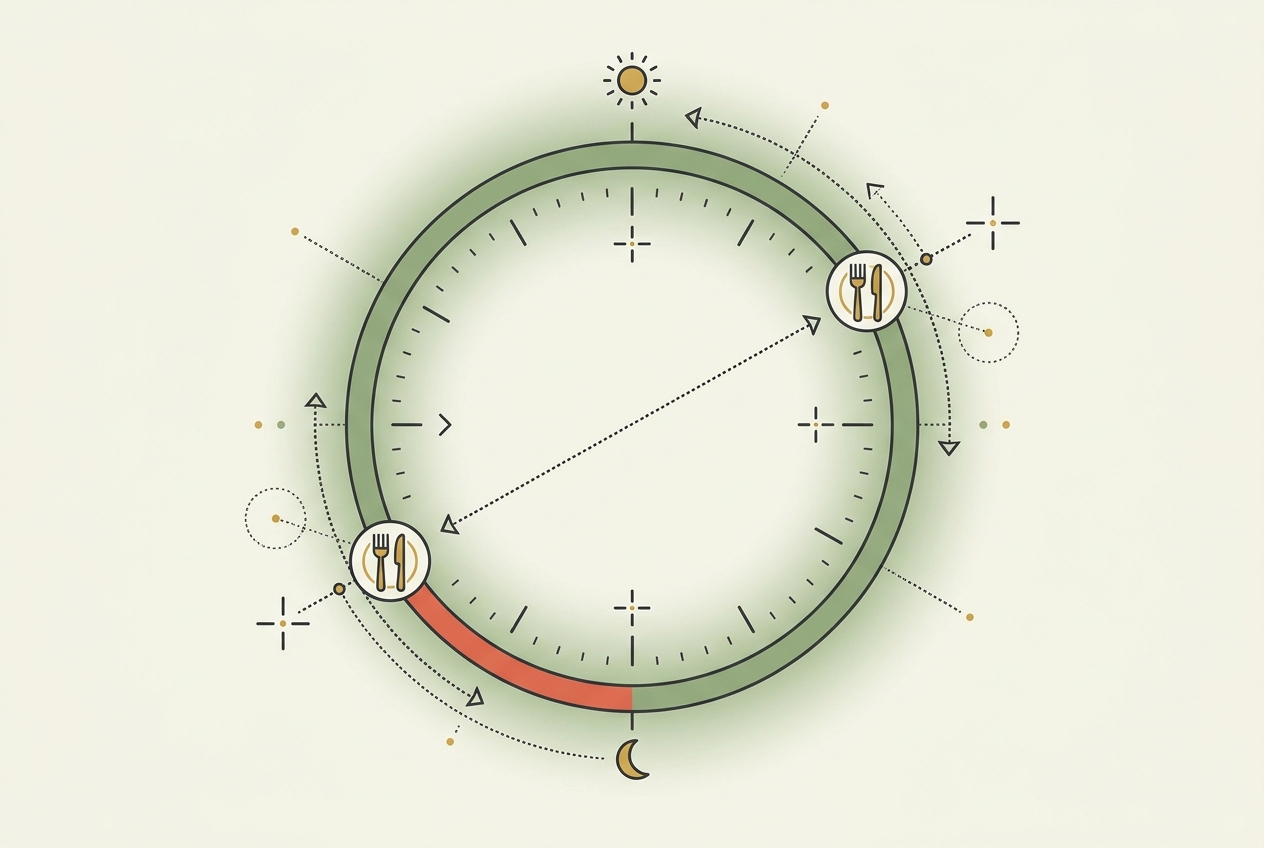
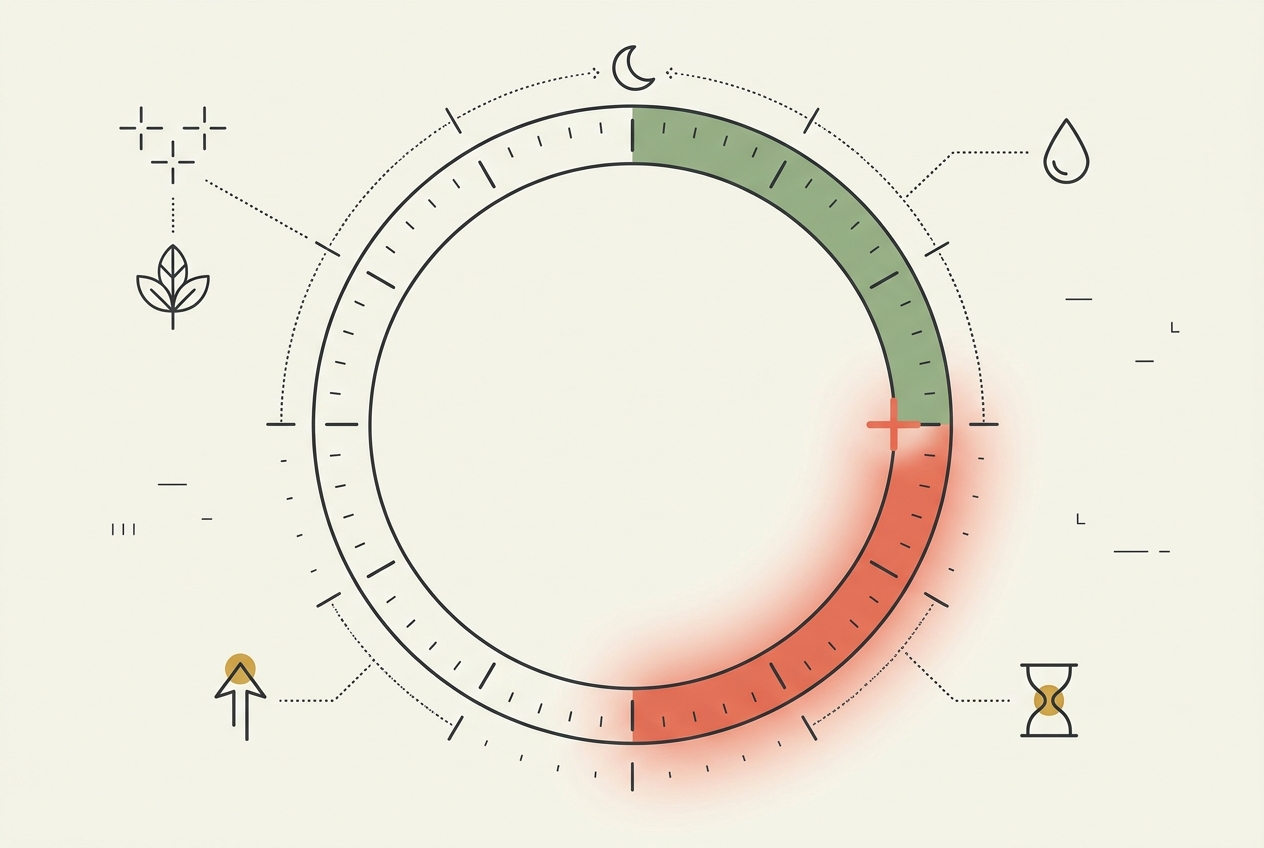
For most healthy adults, fasting up to 14–16 hours (a standard 10-hour eating window) is well-supported by research and considered safe. Beyond 17 hours, risks begin to escalate meaningfully, including micronutrient depletion, muscle breakdown, and cardiovascular strain, and extending further should only be done under medical supervision.
Disclaimer
This article is for information only and does not replace medical advice. Needs vary with age, sex, and situation (pregnancy, conditions, medication): if in doubt or symptomatic, talk to a health professional.
Why Do Most People Worry About the Wrong End of Fasting?
The internet is full of people competing over how long they can fast, 24 hours, 48 hours, 72-hour water fasts. This gamification of fasting has created a culture where longer is implicitly treated as more virtuous or more effective.
The research tells a different story. There is a well-defined range where fasting produces clear benefits. There is also a threshold beyond which those benefits stop compounding and real physiological risks begin to accumulate. Knowing where that line falls, and why, is more useful than chasing extreme numbers.
Why Is Fasting Up to 16 Hours Considered Safe?
The research basis for fasting recommendations comes primarily from studies on time-restricted eating and intermittent fasting protocols, reviewed comprehensively by Sun et al. (2024) in eClinicalMedicine. This umbrella review of randomised controlled trials found consistent benefits for weight, metabolic markers, and cardiometabolic risk factors from IF protocols, most of which involve fasting periods of 12–16 hours per day.
Mishra et al. (2023) in the Journal of Clinical Medicine specifically reviewed 8–10 hour eating windows (14–16 hours of daily fasting) and found them "effective for reducing overall calorie intake, losing weight, and improving metabolic health", without flagging safety concerns in otherwise healthy adults.
A 16-hour fast (8-hour eating window) is the most widely studied and practised duration. Benefits are real. For most people in good health, this range is safe for regular, ongoing practice.
What Changes When You Fast for 16–17 Hours?
As the fasting period extends beyond 16 hours, the physiology begins to shift in ways that require more individual consideration.
Glycogen Depletion
The liver stores approximately 100g of glycogen, the body's primary fast-access glucose reserve. During a typical overnight fast, this store is partially depleted. By 16–18 hours, hepatic glycogen is largely exhausted in most people. This is both the mechanism by which fat oxidation increases during fasting (the body switches to fat as a fuel source) and the point at which maintaining blood glucose requires increasing input from gluconeogenesis, the process of generating glucose from amino acids.
This metabolic shift is benign in healthy, well-nourished individuals over short periods. It becomes problematic when it is prolonged, frequent, or combined with low protein intake.
Cortisol and Stress Hormone Response
Extended fasting triggers an increase in cortisol, the primary stress hormone, as part of the body's response to maintaining blood glucose and mobilising energy. Short-term cortisol increases are normal and manageable. Prolonged or chronic cortisol elevation (from frequent extended fasting, especially under other life stressors) can suppress immune function, disrupt sleep, increase abdominal fat storage, and negatively affect mood.
Micronutrient Risk
Zhang et al. (2024), in Frontiers in Nutrition, demonstrated that caloric restriction, including fasting, increases the risk of failing to meet Recommended Dietary Allowances for essential micronutrients. As fasting windows extend, the compressed eating window makes it progressively harder to meet daily nutrient targets in the remaining meals. At 17+ hours of fasting per day, this constraint becomes significant and requires deliberate dietary planning.
Why Is Fasting Beyond 17 Hours a Warning Zone?
Forkd displays a safety warning when a fasting period reaches 17 hours, and for good reason.
The Cardiovascular Signal
The American Heart Association's 2024 data found elevated cardiovascular mortality risk associated with 8-hour eating windows (16 hours of fasting). While the mechanism remains uncertain, the finding is a meaningful signal that fasting durations at the upper end of common practice carry risks not fully captured in short-term trial data. Extended fasting beyond 17 hours amplifies whatever cardiovascular stress mechanisms are at play in shorter protocols.
Muscle Catabolism Accelerates
When glycogen is depleted and fat mobilisation is underway, the body increases its reliance on gluconeogenesis from amino acids, which means it begins breaking down muscle tissue for fuel. This is modest during typical 14–16 hour fasts in people consuming adequate protein. It accelerates meaningfully beyond 17 hours, particularly in individuals who are already lean or consuming insufficient protein.
Ashtary-Larky et al. (2020) in the British Journal of Nutrition confirmed that aggressive caloric restriction, which extended fasting effectively creates, is associated with greater loss of fat-free mass. Preserving lean muscle is essential for maintaining metabolic rate and long-term weight management.
Electrolyte Disruption
Extended fasting reduces intake of sodium, potassium, magnesium, and phosphorus, electrolytes critical for heart rhythm, muscle contraction, and nerve function. In multi-day fasts, electrolyte disruption can become serious. "Refeeding syndrome", a potentially life-threatening electrolyte imbalance that can occur when food is reintroduced after prolonged fasting, is a recognised clinical risk in medically supervised fasting protocols.
Blood Glucose Instability
For people with diabetes or insulin resistance, or those taking medications that affect blood glucose, extended fasting significantly increases the risk of hypoglycaemia (dangerously low blood sugar). This is why clinical guidelines universally recommend that people on insulin, sulphonylureas, or other glucose-lowering medications do not fast without medical supervision and medication adjustment.
Who Should Not Fast Beyond 12–14 Hours Without Medical Advice?
Even within the generally safe range, some groups require individual medical guidance before extending fasting duration:
- People with type 1 or type 2 diabetes, especially those on insulin or sulphonylureas
- People with a history of eating disorders, fasting can reinforce restrictive patterns
- Pregnant or breastfeeding women, nutrient and caloric demands are elevated
- People who are underweight (BMI below 18.5)
- Those with a history of cardiovascular disease, given the AHA observational data
- People on medications that require food (many drugs have different absorption and safety profiles when taken fasted)
- Older adults where muscle preservation is already a priority
Is Extended Fasting (24–72+ Hours) a Different Category Entirely?
Multi-day fasts sit in a separate category from daily time-restricted eating. Prolonged fasts are used therapeutically in some clinical settings (for conditions including metabolic syndrome, epilepsy, and certain autoimmune conditions) but exclusively under medical supervision, with electrolyte monitoring and carefully managed refeeding protocols.
For general weight management and metabolic health, there is no evidence that multi-day fasting produces better outcomes than well-implemented daily TRE. The risks are substantially higher, and the practical benefit over a sustained 10–12 hour eating window is not supported by the current evidence base.
Frequently Asked Questions
I Regularly Fast for 18+ Hours and Feel Fine, Does That Mean It's Safe?
Subjective wellbeing during extended fasting is not a reliable indicator of physiological safety. Many processes that carry long-term risk, micronutrient depletion, muscle catabolism, elevated cortisol, are not felt acutely. Feeling fine is reassuring but not equivalent to being monitored. If you regularly fast beyond 17 hours, discussing it with a healthcare provider is worthwhile.
Does the 17-Hour Threshold Apply to Everyone Equally?
No. Larger individuals with more glycogen storage capacity, higher muscle mass, and greater metabolic reserve may tolerate longer fasts more robustly than smaller or leaner individuals. The 17-hour figure is a generalised safety guideline, not a precise physiological switch. Individual variation is real.
Is a 24-Hour Fast Once a Week Dangerous?
For otherwise healthy adults with no relevant medical history, an occasional 24-hour fast is unlikely to cause acute harm. Regular weekly 24-hour fasts introduce cumulative muscle catabolism and micronutrient risk that depends heavily on what is eaten during the eating window. This is beyond the evidence base for routine, self-managed fasting.
What Should I Eat When Breaking an Extended Fast?
After a fast longer than 16 hours, starting with easily digestible foods, fruit, yoghurt, eggs, soup, before larger meals helps the digestive system re-engage. Avoid large, high-fat, high-carbohydrate meals immediately after an extended fast, as these place the greatest demand on a digestive system that has been at rest.
Key Takeaways
- Fasting up to 16 hours per day (8-hour eating window) is well-studied and generally safe for healthy adults
- The 17-hour mark is a meaningful threshold, beyond it, micronutrient risk, muscle catabolism, and cardiovascular strain all increase
- Extended fasting does not produce proportionally greater benefits than moderate TRE, the evidence base for 10–12 hour eating windows is stronger and the risk profile more favourable
- Specific groups, diabetics, those on medications, pregnant women, people with eating disorder history, should not extend fasting without medical guidance
- Multi-day fasts are a clinical intervention, not a general wellness practice
References
- Sun, M. L., et al. (2024). Intermittent fasting and health outcomes: an umbrella review of systematic reviews and meta-analyses of randomised controlled trials. eClinicalMedicine (The Lancet). thelancet.com
- Mishra, S., et al. (2023). Time-Restricted Eating and Its Metabolic Benefits. Journal of Clinical Medicine. ncbi.nlm.nih.gov
- American Heart Association. (2024). 8-hour time-restricted eating linked to a 91% higher risk of cardiovascular death. AHA Newsroom. newsroom.heart.org
- Zhang, W., et al. (2024). Requirements for essential micronutrients during caloric restriction and fasting. Frontiers in Nutrition. frontiersin.org
- Ashtary-Larky, D., et al. (2020). Effects of gradual weight loss v. rapid weight loss on body composition and RMR: a systematic review and meta-analysis. British Journal of Nutrition. cambridge.org
Written by
Vineet Karhail builds Forkd, the AI-powered calorie and nutrition tracking app, and writes its research-backed guides on calories, macros, and micronutrients.