Best Protein Tracking Apps in 2026: Hit Your Grams Without the Mental Overhead
The Short Answer
The best protein tracking apps in 2026 are Forkd (fastest logging with per-meal protein tracking and coaching), MacroFactor (best for adaptive protein targets that adjust as your body weight changes), Cronometer (most accurate verified data including amino acid profiles), and Proto (best dedicated protein-first workflow). For most people who want a quick, consistent way to hit daily protein targets, Forkd's photo logging is the fastest daily habit to build.
Disclaimer
This article is for information only and does not replace medical advice. Needs vary with age, sex, and situation (pregnancy, conditions, medication): if in doubt or symptomatic, talk to a health professional.
Why Is Protein the Most Important Macro to Track?
Of the three macronutrients, protein is the one most people consistently under-eat, and the one with the most direct impact on how you feel, how full you are, and how much lean muscle you retain during weight loss.
Protein produces higher satiety per calorie than carbohydrate or fat. It has the highest thermic effect of the three macronutrients (your body burns roughly 20–30% of protein calories in the process of digesting it). It preserves lean muscle mass during a calorie deficit, which matters because muscle tissue drives resting metabolic rate. And it needs to be distributed across meals rather than concentrated in one sitting, research suggests that 20–40g of protein per meal maximises muscle protein synthesis better than eating the same total protein in one or two sittings.
None of this is visible without tracking. Most people eating "normally" without a protein target hit somewhere between 60–90g per day. The research-supported range for people with weight loss or body composition goals is 1.6–2.2g per kilogram of body weight, typically 110–170g/day for a 70–80kg adult. That gap is why tracking matters.
Which Protein Tracking Apps Are Worth Using?
Forkd, Fastest Everyday Protein Tracking
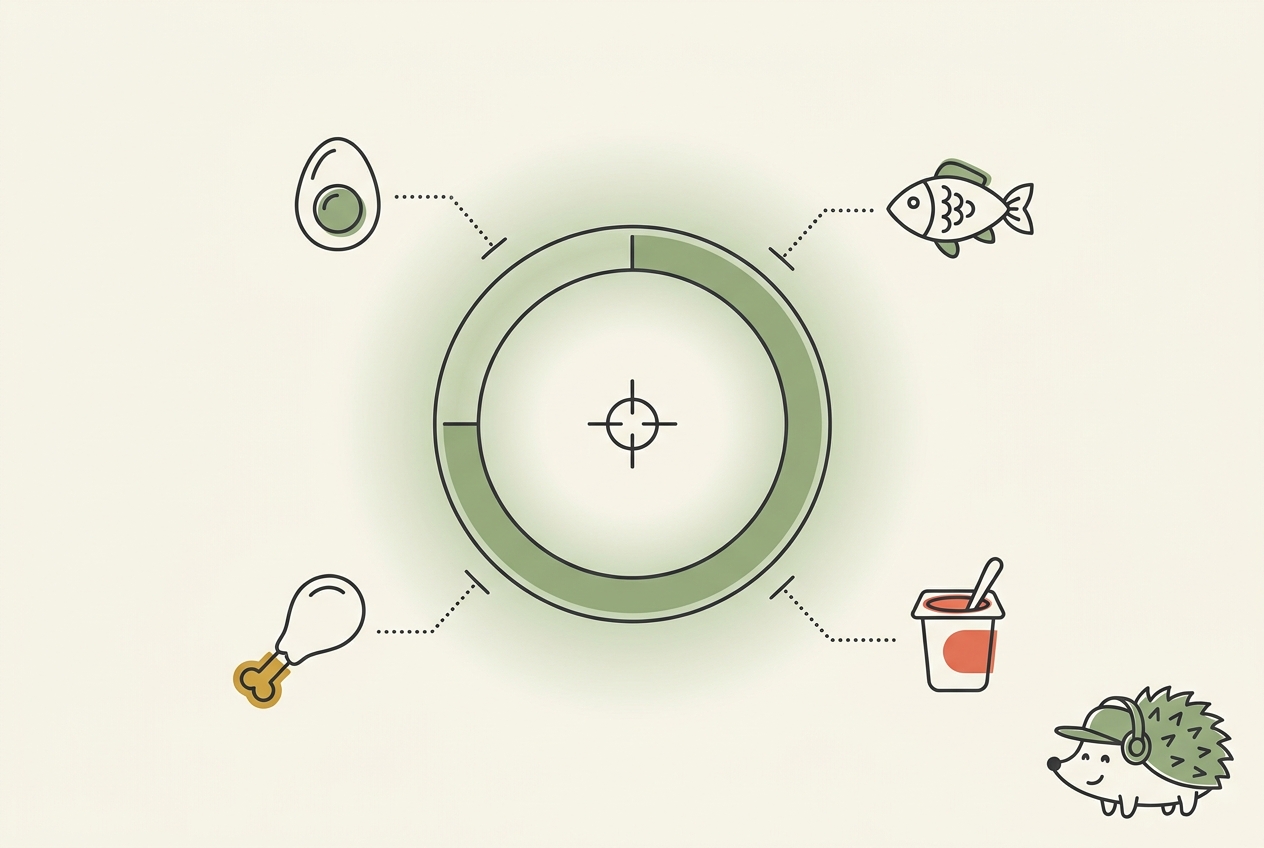
Forkd gives protein its own spotlight on the daily dashboard, not just as part of a macros breakdown but as a tracked metric with its own progress ring. This is a specific design choice that reflects how important protein is relative to carbs and fat for most users' goals.
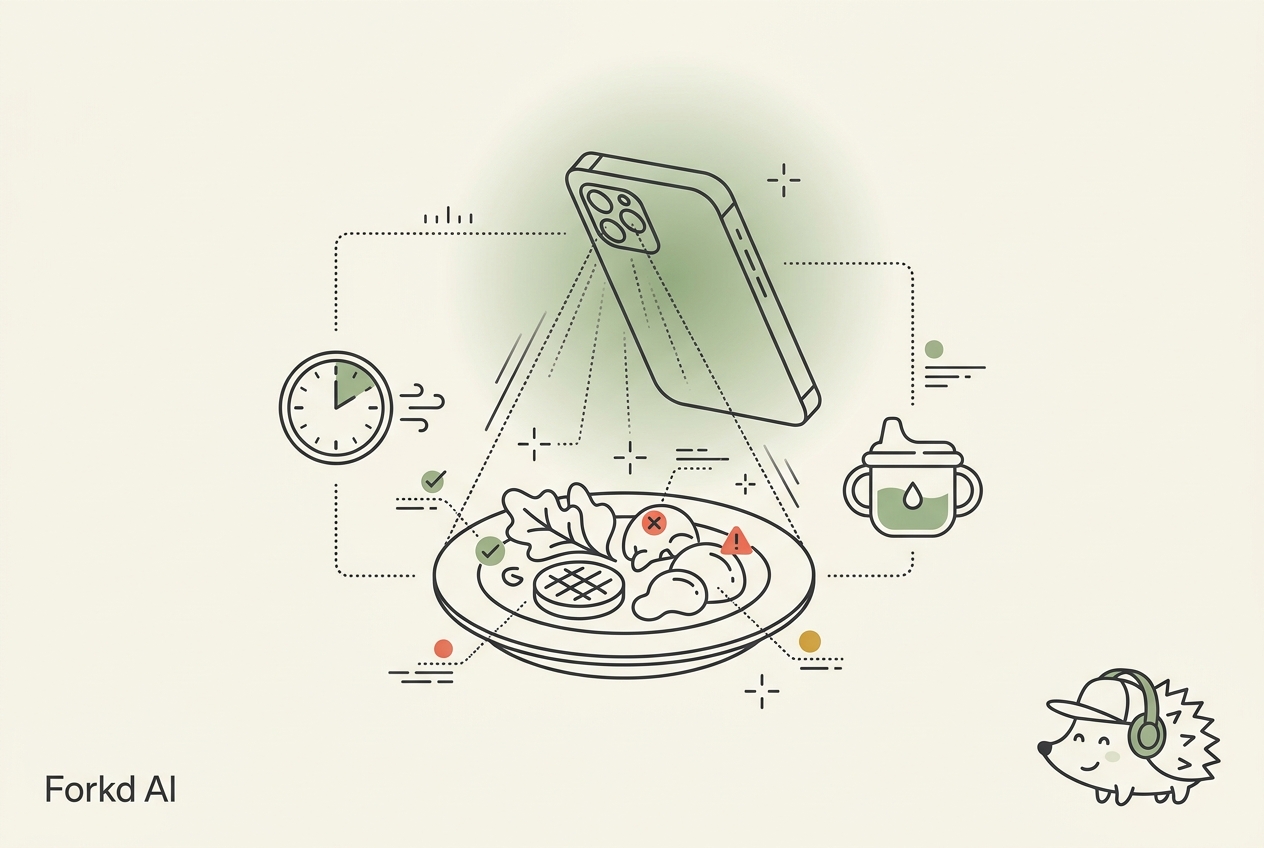
Photo logging takes under 10 seconds per meal. Protein values are returned alongside calories and other macros. The app also shows per-meal protein, so you can see whether you hit 30g at lunch or front-loaded protein at dinner, rather than only a daily total.
Weekly insights from Forkie flag protein gaps: if the last three dinners were low on protein, you'll see it noted with a practical suggestion ("adding Greek yoghurt or a handful of edamame would close the gap"). This is more useful than a raw number that tells you you're short without suggesting what to do.
MacroFactor, Best Adaptive Protein Targets
MacroFactor's adaptive algorithm adjusts your protein target as your weight changes. This matters because as you lose weight, your lean mass and metabolic rate both change, a protein target set at 90kg isn't the right target at 80kg. MacroFactor recalibrates weekly based on actual weight trend data rather than a fixed formula.
The app tracks amino acid profiles within protein, which Forkd doesn't. For people training seriously who want to know whether their protein is coming from complete or incomplete sources, this level of detail is useful.
Pricing: $71.99/year. No photo logging, manual search required for all entries.
Cronometer, Most Accurate Amino Acid Data
Cronometer tracks 18 individual amino acids alongside total protein. The free tier includes all of this with unlimited logging. If you're tracking protein for performance or clinical reasons and want to know your leucine intake (the amino acid most directly linked to muscle protein synthesis stimulation), Cronometer is the only consumer app that surfaces this.
The trade-off is logging speed, slower than photo-first apps but more nutritionally complete.
Proto, Dedicated Protein-First App
Proto strips the tracking interface down to protein. You set a daily gram target, log foods by search or barcode, and see your running total. No macro clutter, no micronutrient data, just protein. For people who find full calorie tracking overwhelming and want to start with one metric, this focused approach removes friction.
The risk of protein-only tracking is ignoring calorie balance, you can hit a high protein target while still overshooting calories significantly. Most people eventually need to track total intake alongside protein.
How Much Protein Do You Actually Need?
The RDA for protein (0.8g per kilogram of body weight) is the minimum to prevent deficiency in sedentary adults. It's not a target for weight loss, muscle retention, or body composition.
The evidence-supported range for people with body composition or weight loss goals:
| Goal | Protein target |
|---|---|
| Weight loss (preserving muscle) | 1.6–2.0g/kg |
| Active training (building or maintaining muscle) | 1.8–2.2g/kg |
| Older adults (reduced muscle protein synthesis) | 1.2–1.6g/kg |
| Sedentary general health | 0.8–1.0g/kg |
At 75kg, the weight-loss range is approximately 120–150g of protein daily. Most standard app defaults underestimate this because they calculate from the RDA rather than the sports and weight-management research.
Check your app's default protein target and adjust it if it's set at or near 0.8g/kg. The difference between the RDA and the weight-loss research range is meaningful for both satiety and body composition outcomes.
How Do You Actually Hit Your Protein Target Every Day?
The practical problem with protein isn't usually the target, it's building the daily intake pattern that makes the target achievable without overthinking every meal.
The 30-30-30 approach works well for most people: aim for 30g of protein at breakfast, 30g at lunch, and 30g at dinner. This gives you a baseline of 90g, within range for lighter adults, with room to supplement with snacks for higher targets. Three predictable protein sources (eggs or Greek yoghurt at breakfast, chicken or fish at lunch, any complete protein at dinner) remove the moment-by-moment decisions.
Apps that show per-meal protein breakdown, rather than just a daily total, are significantly more useful for this, because you can see by lunchtime whether you're on track rather than discovering a shortfall at 9pm when it's too late to fix it.
Frequently Asked Questions
Is It Possible to Eat Too Much Protein?
For most healthy adults, protein intakes up to 2.5g/kg of body weight show no clear evidence of harm. Very high intakes (above 3.0g/kg) are sometimes used by athletes in cutting phases, but aren't necessary or better for most people. The practical ceiling for most adults is set by palatability and calorie budget rather than safety, it's hard to eat enough protein to cause problems without deliberately trying to.
Does Plant Protein Count the Same as Animal Protein?
Plant proteins are typically lower in leucine and may be incomplete (missing one or more essential amino acids). This doesn't mean they don't count, it means plant protein sources often need to be combined across the day to ensure all essential amino acids are present. Soy is the most complete plant protein; legumes and grains together provide complementary amino acid profiles. For the same gram count, plant protein generally requires slightly higher total intake to achieve the same muscle protein synthesis stimulus.
Should I Track Protein by Grams or as a Percentage of Calories?
Gram targets are more practical than percentage targets for protein specifically. If you reduce calories during weight loss, keeping protein grams constant (rather than cutting them proportionally) preserves muscle mass better. A percentage target shrinks protein intake when calories drop, which is counterproductive during a deficit.
What Are the Best High-Protein Foods for Hitting Daily Targets Efficiently?
The highest protein density per calorie: Greek yoghurt (~17g per 170g serving), cottage cheese (~25g per 225g), chicken breast (~31g per 100g cooked), tinned tuna (~25g per 100g), eggs (~6g per egg). Protein powders (whey, casein, plant-based blends) are effective supplements when whole food protein is difficult to consume in sufficient volume, a single serving typically provides 20–25g with minimal calories from other sources.
Key Takeaways
- The RDA for protein (0.8g/kg) prevents deficiency, weight loss and muscle-preservation goals require 1.6–2.2g/kg, roughly double the default most apps set
- Forkd tracks per-meal protein and surfaces gaps with coaching; MacroFactor adapts targets as you lose weight; Cronometer shows amino acid profiles; Proto is the simplest protein-only tracker
- Per-meal protein tracking matters more than daily totals, muscle protein synthesis responds to the protein per sitting, not just the daily number
- The 30-30-30 approach (30g at each meal) creates a reliable pattern that most people can sustain without meal-by-meal decisions
- Check your app's default protein target, most calculate from the minimum RDA rather than the body composition research range
Written by
Vineet Karhail builds Forkd, the AI-powered calorie and nutrition tracking app, and writes its research-backed guides on calories, macros, and micronutrients.