Best Iron Tracker for Women in 2026
The Short Answer
The best apps for tracking iron intake in women are Cronometer (tracks iron from 84 verified nutrients at no cost, the most accurate dietary iron data available in a consumer app) and Forkd (tracks iron, calcium, and vitamin D with weekly coaching to flag sustained gaps). The daily target for women of reproductive age is 18mg; post-menopausal women and men need 8mg. Tracking dietary iron helps identify gaps that precede deficiency, particularly useful if you are plant-based or have heavy periods.
Disclaimer
This article is for information only and does not replace medical advice. Needs vary with age, sex, and situation (pregnancy, conditions, medication): if in doubt or symptomatic, talk to a health professional.
Why Iron Tracking Matters Specifically for Women
Iron deficiency is the most common nutritional deficiency worldwide, and women of reproductive age are disproportionately affected. The World Health Organization estimates that iron deficiency anaemia affects 29% of non-pregnant women and up to 38% of pregnant women globally.
Several factors compound the risk for women:
Higher daily requirement. Women of reproductive age need 18mg of iron per day, more than double the 8mg daily requirement for adult men and post-menopausal women. This gap reflects menstrual blood loss, which removes iron monthly.
Dietary patterns. Women are more likely than men to eat a predominantly plant-based diet, avoid red meat, or reduce protein intake during calorie restriction. Plant-based (non-haem) iron has significantly lower bioavailability than haem iron from animal sources, typically 2–20% absorption for non-haem iron versus 15–35% for haem iron.
Pregnancy and breastfeeding. During pregnancy, iron requirements increase to 27mg/day. During breastfeeding, the requirement drops back to 9–10mg/day, though many women enter pregnancy with sub-optimal iron stores.
Athletic activity. Female athletes, particularly distance runners, have elevated iron needs due to sweat-based iron loss and, in runners, foot-strike haemolysis.
The dietary pattern that produces iron deficiency does not happen overnight. It takes weeks to months of insufficient dietary iron to deplete iron stores (ferritin) to levels that affect energy, cognition, and physical performance. Tracking makes the pattern visible before the deficiency becomes clinically significant.
What Makes a Good Iron Tracking App?
Not all nutrition apps track iron equally. The differences:
Database accuracy. Iron content varies significantly between food items and even between cooking methods. Apps using verified database sources (USDA NCCDB) are more accurate than apps with crowdsourced entries where iron values may be incorrect or missing.
Haem versus non-haem distinction. The most sophisticated trackers (Cronometer) show total iron but also the source breakdown. Since bioavailability differs significantly between haem and non-haem sources, this distinction matters for understanding whether your tracked iron is likely to be absorbed.
Daily summary and trending. A single day's iron total is less useful than a weekly average. Iron absorption and dietary intake both vary day to day. Apps that show trends over time help identify whether low iron intake is occasional or systematic.
Coaching around gaps. Knowing your iron intake is 9mg when the target is 18mg is information. Knowing which meals could be modified to close that gap, and which vitamin C sources improve non-haem absorption, is actionable. A coaching layer over the data turns the number into something you can do something about.
The Best Iron Tracking Apps for Women
Cronometer, Most Accurate Iron Tracking
Cronometer tracks dietary iron from a database verified against USDA NCCDB sources. Every food entry shows total iron, and the daily diary cumulates it against your target. The free tier has no daily logging cap and includes barcode scanning.
You can customise the iron target to reflect your specific situation: 18mg for most women of reproductive age, 27mg during pregnancy, 8mg post-menopause. The dashboard shows progress against target in real time.
Cronometer also shows the source breakdown of your iron, useful for plant-based women who are relying on non-haem sources and need to ensure enough vitamin C is consumed alongside iron-rich plant foods to maximise absorption.
For the most complete and accurate dietary iron tracking available in a free app, Cronometer is the standard.
Forkd, Iron Tracking With Weekly Coaching
Forkd tracks iron, calcium, and vitamin D as part of its key micronutrient suite. The daily dashboard shows iron alongside calorie and macro progress. Weekly Forkie coaching notices sustained gaps: if your iron has been consistently below target for several days, Forkie flags it in plain English and suggests what might help.
For women who do not want to interpret their own nutritional data and would rather just be told when something needs attention, the coaching layer around iron tracking is more accessible than Cronometer's raw data view.
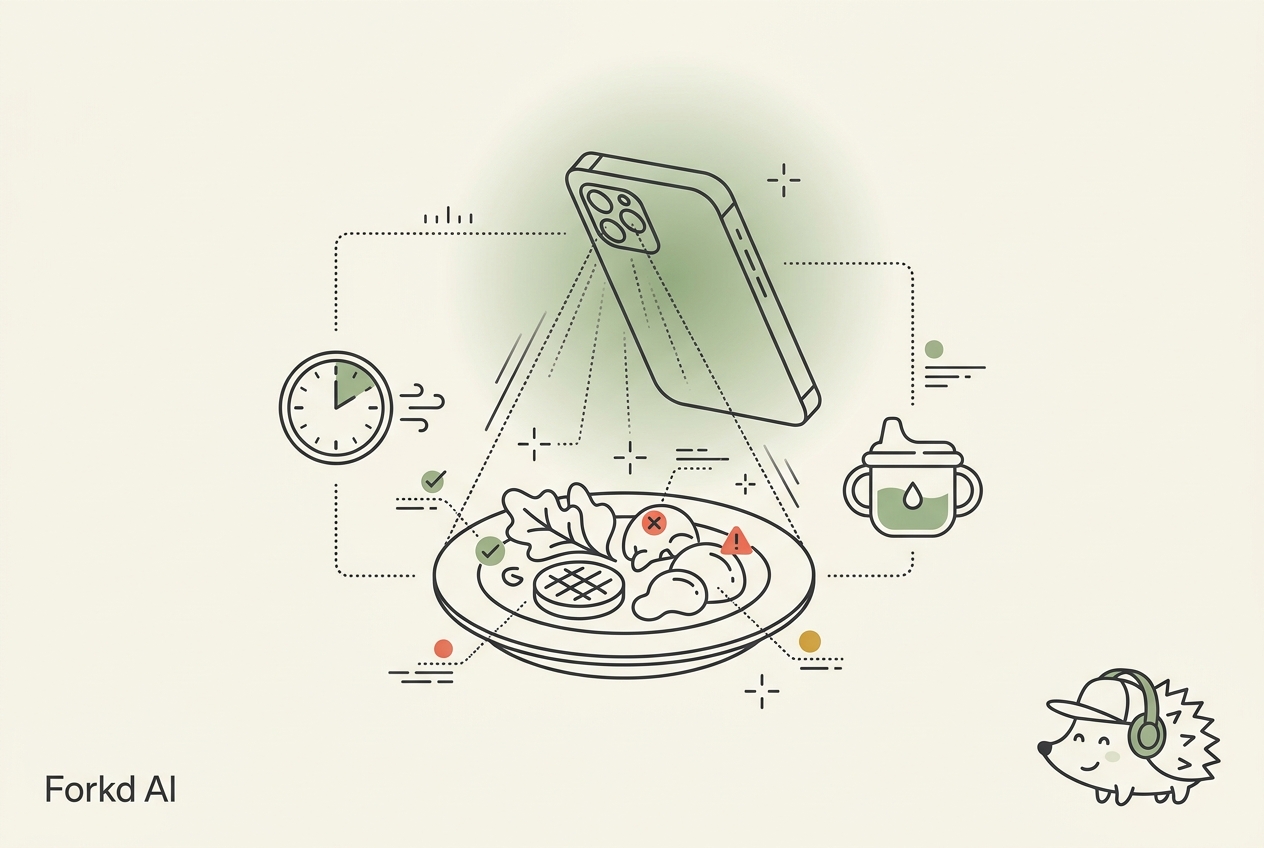
Photo logging speed also matters: with AI photo recognition doing meal entry in under 10 seconds, and voice or text as alternatives, daily logging is more sustainable than manual entry. If you are tracking specifically to monitor iron, consistency matters, and partial weeks of data underestimate the problem.
What to Do With Your Iron Data
Tracking dietary iron shows you the input side. What it does not show is what your body is doing with that iron, which is a blood test (serum ferritin, serum iron, transferrin saturation). Dietary iron tracking is most useful for:
- Identifying chronic dietary insufficiency before it progresses to clinical deficiency
- Understanding which meals are contributing iron and which are gaps
- Tracking dietary improvement over time, seeing whether changes to the diet are actually moving the daily total
If you track your dietary iron and find it has been below 18mg consistently, that is worth discussing with a GP alongside a ferritin test. Dietary tracking prompts the conversation; blood tests confirm the status.
How to Increase Dietary Iron With Food (What to Track)
High iron foods for women: Lean red meat (beef, lamb), chicken liver, oysters, clams, sardines (haem iron sources with highest bioavailability). Lentils, tofu, tempeh, edamame, cooked spinach, fortified cereals (non-haem sources with lower but still significant bioavailability when paired with vitamin C).
Vitamin C combinations: Eating vitamin C-rich foods (citrus, bell peppers, kiwi, strawberries) alongside non-haem iron sources significantly increases absorption. Tracking both, as Cronometer allows, helps confirm this combination is happening.
What reduces iron absorption: Calcium, tannins (tea, coffee, red wine), and phytic acid (in wheat bran and legumes) all inhibit iron absorption when consumed simultaneously. These are not reasons to avoid these foods entirely, but reasons not to drink tea or coffee with iron-rich meals when iron status is a concern.
Frequently Asked Questions
What Is a Good Daily Iron Intake for Women?
For women of reproductive age (typically 19–50): 18mg per day. For pregnant women: 27mg per day. For women over 50 or post-menopausal: 8mg per day. For female athletes at high training volumes, some sports nutrition specialists suggest higher targets. Discuss with your GP or sports dietitian.
Does Tracking App Iron Data Match Real Ferritin Levels?
Dietary iron tracking and serum ferritin tests measure different things. Tracking shows dietary iron intake. Ferritin tests show stored iron in the body. Low dietary iron over time leads to low ferritin, but the relationship is not immediate, and individual absorption efficiency varies. Use dietary tracking to identify potential insufficiency; use blood tests to confirm iron status.
Are Plant-Based Women More at Risk of Iron Deficiency?
Yes. Plant-based women rely on non-haem iron sources, which have significantly lower bioavailability than haem iron from animal sources. Absorption from non-haem sources is typically 2–20%, compared to 15–35% from haem sources. This means a plant-based woman may need to consume more total dietary iron than an omnivore to achieve the same absorbed amount.
Can I Track Iron From Supplements in These Apps?
Cronometer allows you to add supplements manually and include them in your daily nutrient totals. This means you can track combined dietary plus supplemental iron against your daily target, giving a complete picture. Forkd's tracking focuses on dietary iron from food. If you take an iron supplement, adding it to your Cronometer log gives the most accurate total.
Key Takeaways
- Women of reproductive age need 18mg of iron daily, more than double the requirement for men, making dietary iron tracking specifically relevant
- Cronometer is the most accurate iron tracker available in a free app, with verified database sources, customisable targets, and haem/non-haem source visibility
- Forkd tracks iron with weekly coaching that flags sustained gaps, more accessible for users who want to be told when iron intake needs attention rather than interpreting raw data
- Dietary iron tracking identifies insufficiency before it becomes clinical deficiency, particularly useful for plant-based women, athletes, and those with heavy periods
- Tracking dietary iron is a complement to blood tests, not a replacement. If dietary tracking suggests chronic insufficiency, confirm status with a GP via ferritin testing
Written by
Vineet Karhail builds Forkd, the AI-powered calorie and nutrition tracking app, and writes its research-backed guides on calories, macros, and micronutrients.