Best Carb Tracking Apps in 2026: Net Carbs, Total Carbs, and What Actually Matters
The Short Answer
The best carb tracking apps in 2026 are Cronometer (most accurate carb and fiber data with net carb calculation), Carb Manager (best dedicated app for low-carb and keto tracking), MyFitnessPal (largest food database for carb-heavy packaged foods), and Forkd (fastest logging with AI photo for general carb tracking alongside macros and micronutrients). Your best choice depends on whether you're following a strict low-carb protocol or just want carb visibility alongside other nutrients.
Disclaimer
This article is for information only and does not replace medical advice. Needs vary with age, sex, and situation (pregnancy, conditions, medication): if in doubt or symptomatic, talk to a health professional.
What's the Difference Between Total Carbs and Net Carbs?
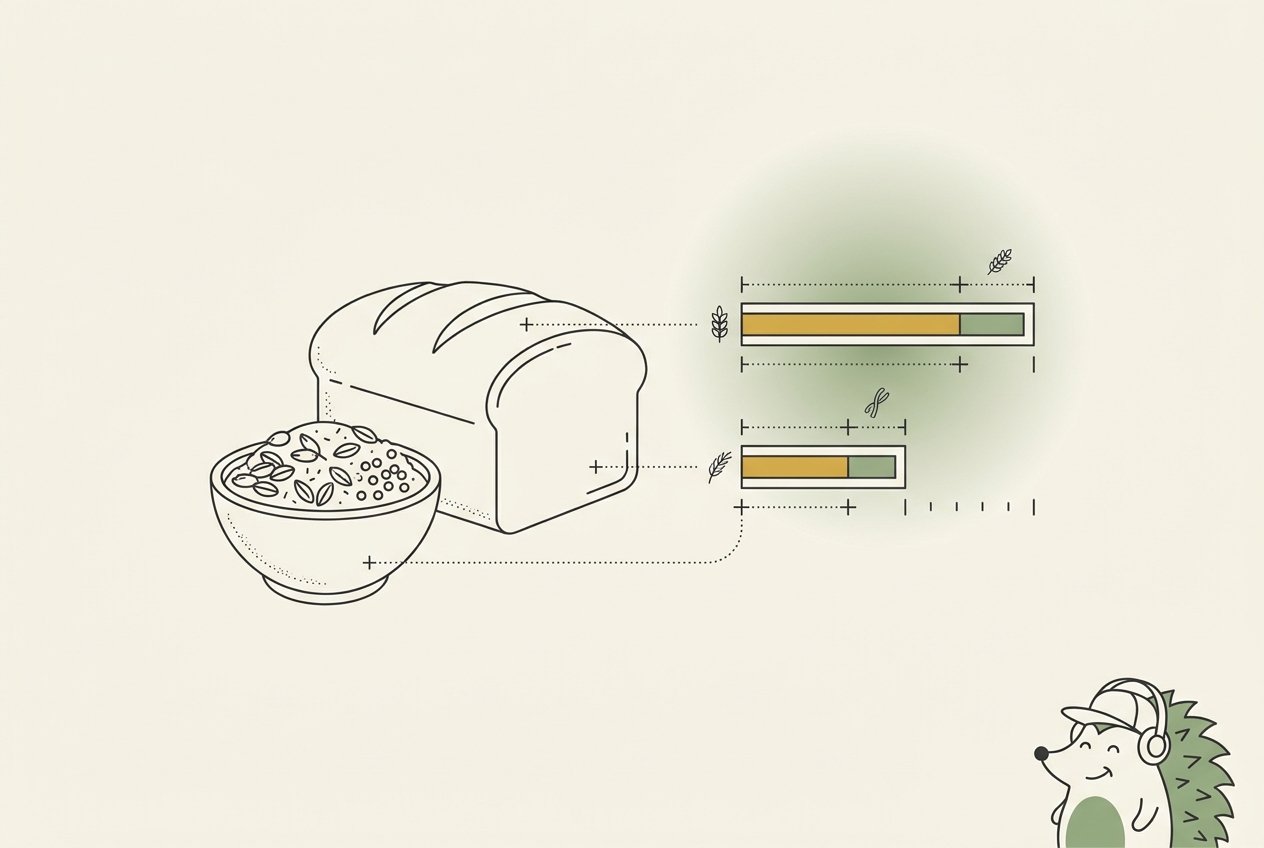
Total carbohydrates include everything: sugars, starches, and fiber. Net carbs subtract fiber (and sometimes sugar alcohols) from total carbs, because fiber isn't digested and absorbed the same way as other carbohydrates.
For most people tracking general nutrition, total carbs is the right number. For people following ketogenic or strict low-carb diets where the goal is minimising the carbohydrates that raise blood glucose and insulin, net carbs is more relevant, fiber doesn't trigger an insulin response or prevent ketosis.
The distinction matters for which app you use. Apps that report only total carbs are fine for general tracking. Apps designed for keto and low-carb diets calculate net carbs automatically and show it prominently.
Which Apps Track Carbs Well in 2026?
Cronometer, Most Accurate Carb and Fiber Data
Cronometer tracks total carbs, fiber, sugar (total and added), sugar alcohols, and net carbs separately. The underlying data comes from verified sources (USDA NCCDB), which means the fiber values, often inaccurate in crowdsourced databases, are reliable. For anyone tracking net carbs, accurate fiber data is just as important as accurate total carb data.
The free tier includes all of this with unlimited logging. The daily breakdown shows each carbohydrate subfraction, which is useful for understanding whether you're getting carbs from fiber-rich whole foods or from sugar and refined starches.
Carb Manager, Best for Keto and Low-Carb Protocols
Carb Manager is purpose-built for low-carb and ketogenic tracking. Net carbs are the default display metric rather than total carbs. The app has a dedicated keto goal-setting system, keto-friendly recipe library, and tracking for ketone levels if you're testing with a blood meter. The food database is curated for low-carb relevance with prominent filtering for keto-compatible foods.
Premium ($39.99/year) adds meal planning, advanced analytics, and macros breakdown reports. The free tier is functional for basic tracking.
Best for: people following strict keto or low-carb protocols where net carbs are the primary daily target.
MyFitnessPal, Largest Database for Packaged Food Carbs
MyFitnessPal's 14-million item food database means you can find almost any packaged product with accurate nutritional data including carbs. For tracking carbs in processed or packaged foods, snacks, ready meals, sauces, condiments, the database coverage is unmatched.
The drawback for carb tracking specifically: crowdsourced entries sometimes have inaccurate fiber values, which affects net carb calculation. And the free tier's 5-entries-per-day cap is a real limitation for people who need to log every food component separately.
Forkd, Carb Tracking Inside Full Nutrition Logging
Forkd tracks carbohydrates as part of its standard macro breakdown, total carbs and fiber, returned from every photo log. For people who want carb data without making it the sole focus of their tracking, the integration with protein, micronutrient, and fasting data gives context that isolated carb tracking doesn't.
Which Carbs Should You Prioritise Tracking?
Not all carbohydrates affect your body the same way. A gram of fiber from broccoli and a gram of sugar from a soft drink both count toward total carbs, but they behave completely differently.
Fiber is the most important subfraction to monitor. Most adults consume well below the 25–30g/day recommendation. High fiber intake is consistently associated with better satiety, lower blood glucose variability, and improved gut health. If you track nothing else within carbs, fiber is the one.
Added sugars are the most important to watch for people managing weight or blood glucose. The WHO recommendation is to keep added sugars below 10% of total daily calorie intake, at 2,000 calories, that's 50g. The US dietary guidelines suggest keeping added sugars below 10% of total calories as well. Apps that separate added sugar from total sugar make this trackable; many don't.
Glycaemic load (how much a serving of a food raises blood glucose, accounting for both the type and quantity of carbohydrate) is tracked by Cronometer and some other specialist apps. For people managing blood glucose or insulin sensitivity, this is more actionable than total carb grams.
How Many Carbs Should You Eat Per Day?
This depends heavily on your goals and context:
| Goal | Typical carb range |
|---|---|
| Ketogenic diet | 20–50g net carbs/day |
| Low-carb diet | 50–150g total carbs/day |
| General weight loss | 150–250g/day (no strict cap, focus on fiber and food quality) |
| Endurance training | 250–400g/day or more around training |
| General health (no specific goal) | No fixed cap; prioritise fiber, limit added sugars |
For most people not following a structured low-carb protocol, total carb quantity matters less than carb quality, fiber content, added sugar content, and the degree of processing.
Frequently Asked Questions
Do I Need to Track Net Carbs or Total Carbs?
Track net carbs if you're following a ketogenic or strict low-carb protocol where staying below 50g of net carbs per day is the goal. Track total carbs if your goal is general nutrition awareness, weight management, or blood glucose management without a specific carb ceiling. Most apps default to total carbs, you'll need to set it manually to display net carbs if that's what you need.
Does Fiber Really Not Count as a Carbohydrate?
Fiber is structurally a carbohydrate but is fermented or passed through the gut rather than absorbed as glucose. It doesn't raise blood glucose or trigger an insulin response the way digestible carbohydrates do. This is why it's subtracted in net carb calculations. Fiber still has modest caloric value (approximately 2 cal/g on average), but its effect on blood glucose and ketosis is negligible.
Can I Accurately Track Carbs in Restaurant Meals?
Inconsistently. Restaurant portion sizes and preparation methods vary widely, and many dishes contain hidden carbs, sauces, dressings, marinades, coatings. AI photo logging apps give you a faster estimate for restaurant meals than manual database searching, but accuracy for complex plated meals is lower than for packaged foods. For people who need precision (diabetes management, strict keto), tracking restaurant meals with a margin of uncertainty is realistic.
Are Sugar-Free or "Diet" Foods Low in Carbs?
Not necessarily. "Sugar-free" means no added sugar, but the food may still contain starches and naturally occurring sugars. "Diet" means lower calorie, which could come from reduced fat rather than reduced carbs. Check the total carbohydrate and net carb values rather than relying on labelling claims.
Key Takeaways
- Total carbs includes fiber; net carbs subtracts it, low-carb and keto protocols use net carbs as the primary target
- Cronometer has the most accurate carb and fiber data in its free tier; Carb Manager is purpose-built for keto tracking; Forkd integrates carb tracking into AI photo logging
- Fiber (target 25–30g/day) is the most important carbohydrate subfraction to track for most people, most adults consume well below it
- Added sugars are the most useful to monitor for weight and blood glucose management, aim to keep them below 10% of daily calories
- For non-keto goals, carb quality (fiber content, degree of processing, added sugar) matters more than gram count
Written by
Vineet Karhail builds Forkd, the AI-powered calorie and nutrition tracking app, and writes its research-backed guides on calories, macros, and micronutrients.