Best Vitamin D Tracker Apps in 2026: The Nutrient Most Apps Miss
The Short Answer
The best apps for tracking vitamin D in 2026 are Cronometer (tracks dietary vitamin D with verified USDA data, free tier available), Forkd (tracks vitamin D alongside key micronutrients in everyday photo logging), and Medisafe or MyTherapy (best if your primary need is supplement dose reminders rather than dietary tracking). Most people need to track both dietary vitamin D and supplementation, since food sources alone rarely hit the 600–800 IU daily target.
Disclaimer
This article is for information only and does not replace medical advice. Needs vary with age, sex, and situation (pregnancy, conditions, medication): if in doubt or symptomatic, talk to a health professional.
Why Is Vitamin D Worth Tracking?
Vitamin D deficiency is one of the most common nutritional shortfalls in developed countries, not because people aren't eating well, but because almost no one gets enough from food alone.
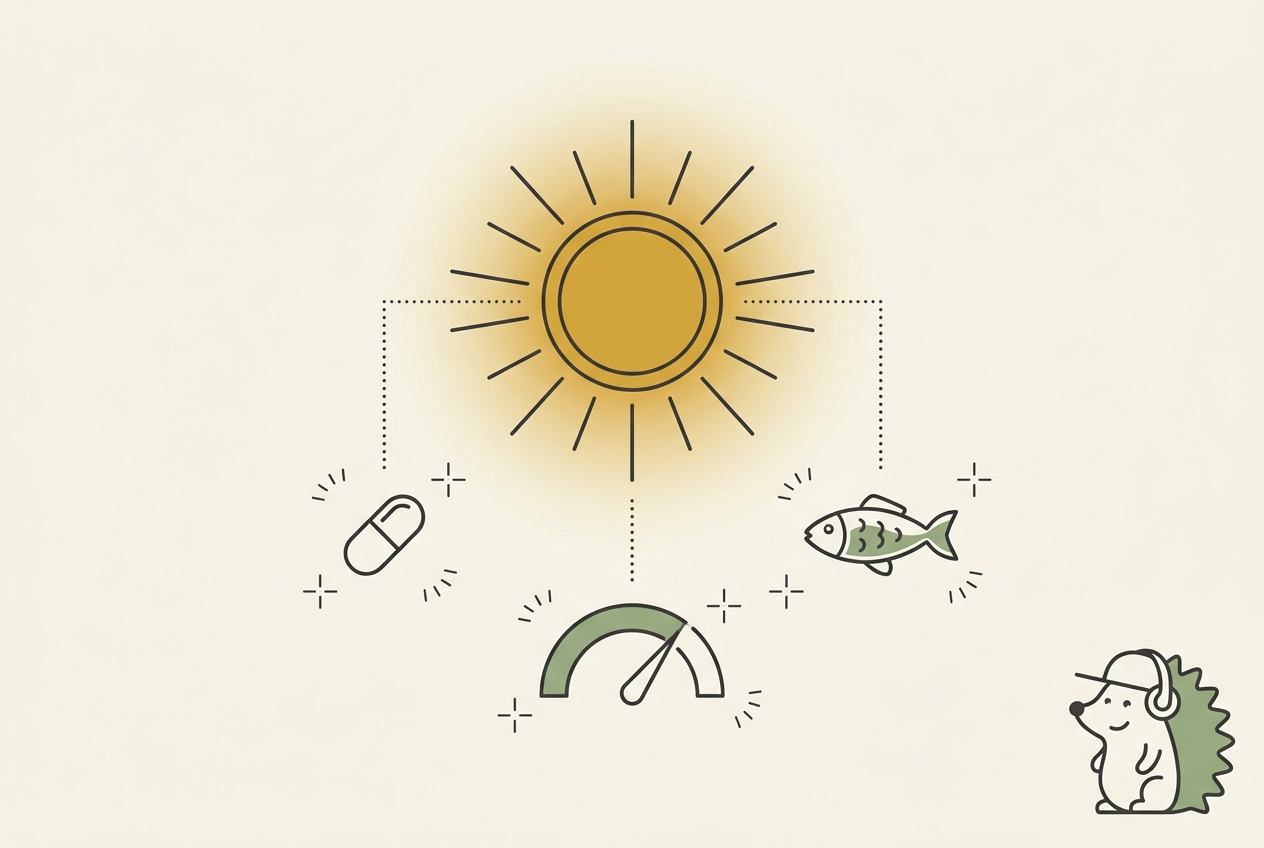
The main source of vitamin D isn't diet, it's sunlight. When UVB rays hit skin, the body synthesises vitamin D directly. This process is effective during summer months at lower latitudes, but for people living above roughly 35 degrees north (most of Europe, Canada, the northern United States), UVB is too weak from October to April to produce meaningful synthesis. Skin pigmentation, sunscreen use, and time spent indoors further reduce sun-derived production.
Dietary vitamin D sources are limited to oily fish (salmon, mackerel, sardines), egg yolks, fortified dairy and plant milks, and fortified cereals. Even eating oily fish three times per week typically provides only 300–400 IU daily, well below the 600 IU/day RDA for adults under 70, or 800 IU/day for adults over 70.
The result: most people who don't supplement are chronically running low, particularly during winter months. Tracking makes this visible.
Which Apps Track Vitamin D Best?
Cronometer, Most Comprehensive Dietary Tracking
Cronometer tracks dietary vitamin D as part of its 84-nutrient breakdown, using verified data from the USDA NCCDB. The daily report shows your vitamin D intake as a percentage of your personalised RDA target, colour-coded to show gaps.
Free tier includes full micronutrient tracking. You can also manually log vitamin D supplements as entries, which lets you see combined dietary plus supplemental intake in one place.
The limitation applies to all dietary tracking apps: Cronometer tracks what you consume, not what your body produces from sun exposure. There's no way to log sun exposure in a standardised way (the IU production per minute of sun exposure varies enormously with skin tone, latitude, season, and cloud cover). Your dietary tracking data gives you a floor for vitamin D intake, not a ceiling.
Forkd, Vitamin D in Everyday Photo Logging
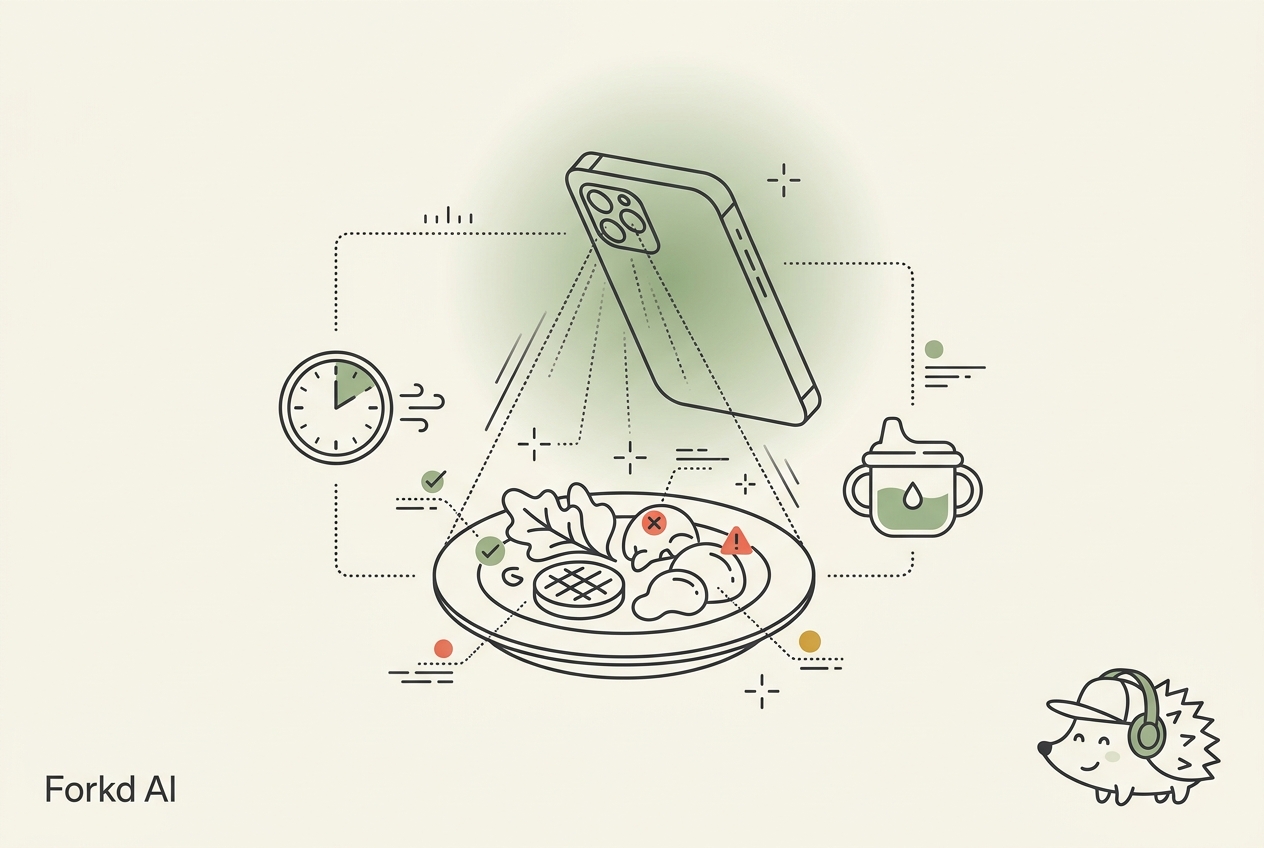
Forkd includes vitamin D in its standard micronutrient tracking. This means you get vitamin D data from every food you photograph without a separate tracking step. It's less exhaustive than Cronometer's 84-nutrient breakdown but covers the nutrients where deficiency is most common, vitamin D among them.
The integration with fasting tracking is useful for vitamin D specifically: vitamin D is fat-soluble, meaning it requires dietary fat for absorption. During fasting windows, vitamin D supplementation is better taken with the first meal of the day rather than fasted.
Medisafe / MyTherapy, Best for Supplement Reminders
If your main need isn't dietary tracking but supplement dose reminders, making sure you take your vitamin D tablet daily, Medisafe and MyTherapy are better suited than nutrition apps. Both are medication and supplement reminder apps with dose confirmation logs. They won't tell you how much vitamin D you're getting from food, but they'll make sure you don't forget your supplement.
How Much Vitamin D Do You Actually Need?
The Recommended Dietary Allowances for vitamin D:
- Adults under 70: 600 IU/day
- Adults 70 and over: 800 IU/day
- Upper limit (from all sources): 4,000 IU/day
These are dietary reference values. Many researchers argue the RDA understates optimal blood levels (25-hydroxyvitamin D above 50 nmol/L for general health, above 75 nmol/L for bone health). Supplementation at 1,000–2,000 IU/day is commonly recommended for people in northern latitudes during winter, with a blood test (25-OH vitamin D) as the most accurate way to establish whether your level is adequate.
An app can tell you your dietary intake. A blood test tells you your actual vitamin D status. Both have their role.
What Foods Contain Meaningful Vitamin D?
Very few foods contain significant vitamin D naturally. The practical list:
| Food | Vitamin D per serving |
|---|---|
| Salmon (cooked, 85g) | 570–645 IU |
| Sardines (canned, 85g) | ~165 IU |
| Tuna (canned in water, 85g) | ~40 IU |
| Egg yolk (1 large) | ~40 IU |
| Fortified cow's milk (240ml) | ~115–130 IU |
| Fortified plant milk (240ml) | ~100–120 IU (varies by brand) |
| Fortified cereal (1 serving) | varies, typically 40–100 IU |
Tracking these consistently with an app makes it clear how difficult it is to reach 600 IU from food alone without eating oily fish multiple times per week. For most people, supplementation closes the gap that diet can't.
Frequently Asked Questions
Can I Get Enough Vitamin D From Food Without Supplementing?
It's possible but difficult. Eating oily fish (salmon, mackerel, sardines) three to four times per week, plus fortified dairy or plant milk daily, gets you close to the 600 IU RDA. In practice, most people don't eat this way consistently. A 1,000–2,000 IU daily supplement is the most reliable way to maintain adequate levels, especially from October to April in northern latitudes.
When Is the Best Time to Take a Vitamin D Supplement?
Vitamin D is fat-soluble, so it absorbs best when taken with a meal that contains some fat. Taking it with your largest meal of the day is a practical rule that covers most situations. During intermittent fasting, take it with the first meal that breaks the fast rather than fasted.
Does Too Much Vitamin D Cause Problems?
Yes, at very high sustained doses. Vitamin D toxicity (hypervitaminosis D) can cause elevated blood calcium, nausea, weakness, and kidney damage. However, toxicity from dietary sources alone is essentially impossible, it requires sustained supplementation well above the 4,000 IU/day upper limit over months. Standard supplement doses of 1,000–2,000 IU/day present no toxicity risk for most adults.
Do Sunbeds or Tanning Lamps Produce Vitamin D?
Some do. Tanning beds that emit UVB radiation can stimulate vitamin D synthesis in skin. However, not all tanning lamps emit UVB (some are UVA only), and any UVB exposure carries melanoma risk. For most people, supplementation is a safer and more reliable source than UV lamps.
Key Takeaways
- Dietary sources of vitamin D are too limited for most people to meet the 600 IU/day RDA from food alone, oily fish is the only meaningful non-fortified food source
- Cronometer tracks dietary vitamin D with verified data in its free tier; Forkd includes it in everyday photo logging; Medisafe/MyTherapy are best for supplement reminders
- People above 35 degrees north latitude can't synthesise meaningful vitamin D from sunlight from October to April, supplementation fills that gap
- 1,000–2,000 IU/day supplementation is commonly recommended for people with limited sun exposure, but a 25-OH vitamin D blood test is the most accurate way to establish whether your level is adequate
- Vitamin D is fat-soluble, take supplements with a meal containing fat for best absorption
Written by
Vineet Karhail builds Forkd, the AI-powered calorie and nutrition tracking app, and writes its research-backed guides on calories, macros, and micronutrients.