Foods High in Iron (And Why the Number on the Label Isn't What You Absorb)
The Short Answer
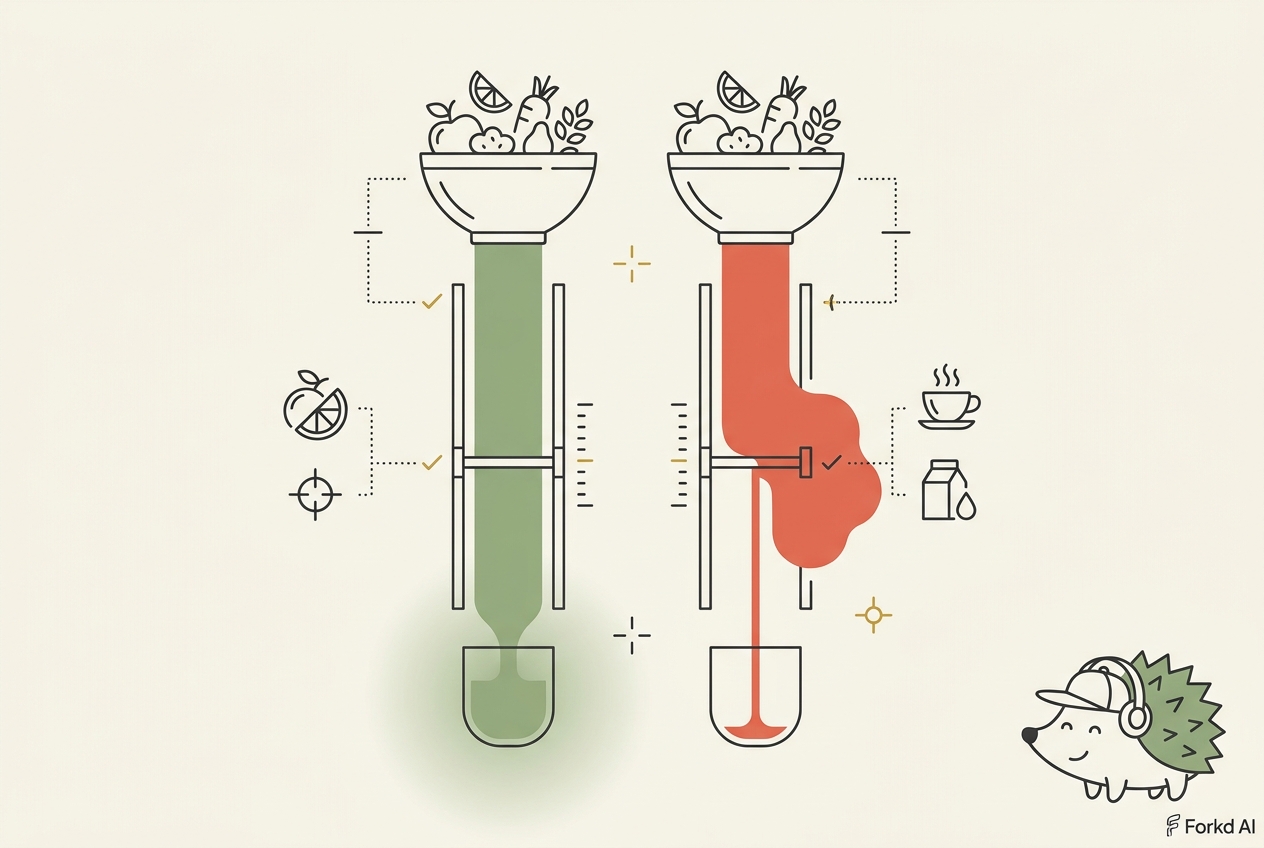
The highest-iron foods are oysters, liver, mussels, white beans, lentils, cooked spinach, dark chocolate, and pumpkin seeds. Absorption matters as much as content: roughly 25 percent of heme iron from animal foods is absorbed versus 17 percent or less of non-heme iron from plants. Vitamin C raises plant iron absorption; tea, coffee, and calcium lower it.
Disclaimer
This article is for information only and does not replace medical advice. Needs vary with age, sex, and situation (pregnancy, conditions, medication): if in doubt or symptomatic, talk to a health professional.
Why Does Iron Deficiency Get Missed So Often?
Iron deficiency is the most common nutritional deficiency in the world, and its early symptoms are the ones people are most likely to explain away. Tiredness gets blamed on work. Breathlessness on the stairs gets blamed on fitness. Cold hands, brittle nails, and poor concentration rarely send anyone to a doctor.
By the time haemoglobin drops far enough to show up as anaemia on a blood test, iron stores have usually been falling for months. Ferritin, the marker for stored iron, drops long before haemoglobin does.
The dietary side of this is unusual among nutrients, because eating iron-rich food is only half of the job. How much iron ends up in your blood depends heavily on the type of iron and what you ate alongside it.
How Much Iron Do You Actually Need Per Day?
The RDA varies more by sex and life stage than almost any other mineral:
| Group | RDA |
|---|---|
| Adult men | 8 mg/day |
| Women 19 to 50 (menstruating) | 18 mg/day |
| Women 51+ / postmenopausal | 8 mg/day |
| Pregnancy | 27 mg/day |
The 18 mg figure for premenopausal women accounts for menstrual blood loss, and it is more than double the male requirement. That gap explains why iron deficiency is so much more common in women, and why a shared family meal plan can leave one person well covered and another short. If you are tracking with a partner, see best iron tracker for women for how the same food log produces very different iron adequacy by person.
Which Foods Are Highest in Iron?
All values below come from USDA FoodData Central.
Which animal foods have the most iron?
| Food | Portion | Iron |
|---|---|---|
| Pacific oysters, cooked | 3 oz (85 g) | 7.8 mg |
| Blue mussels, cooked | 3 oz (85 g) | 5.7 mg |
| Beef liver, braised | 3 oz (85 g) | 5.6 mg |
| Sardines, canned in oil with bones | 1 can (92 g) | 2.7 mg |
| Ground beef, 90% lean, pan-browned | 3 oz (85 g) | 2.6 mg |
| Clams, cooked | 3 oz (85 g) | 2.4 mg |
| Sirloin steak, broiled | 3 oz (85 g) | 1.7 mg |
Shellfish beats red meat by a wide margin, which surprises most people. A single 3 oz serving of oysters covers almost a man's entire daily requirement and 43 percent of a premenopausal woman's.
Which plant foods have the most iron?
| Food | Portion | Iron |
|---|---|---|
| White beans, boiled | 1 cup (179 g) | 6.6 mg |
| Lentils, boiled | 1 cup (198 g) | 6.6 mg |
| Spinach, boiled and drained | 1 cup (180 g) | 6.4 mg |
| Dark chocolate, 70 to 85% cacao | 1 oz (28 g) | 3.4 mg |
| Chickpeas, boiled | 100 g | 2.9 mg |
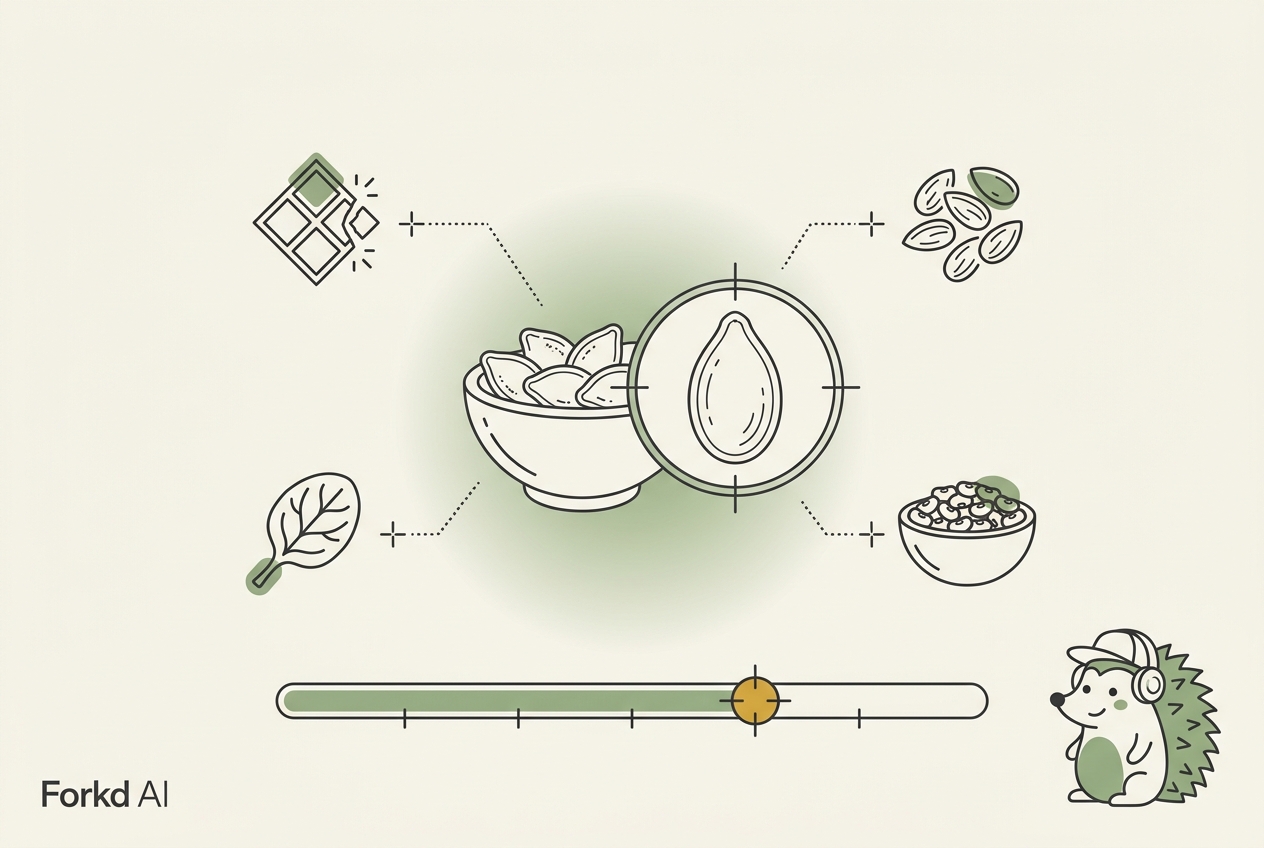
| Pumpkin seed kernels, roasted | 1 oz (28 g) | 2.3 mg |
| Tempeh, cooked | 100 g | 2.1 mg |
| Tofu, firm | 1/2 cup (126 g) | 2.0 mg |
| Cashews, raw | 1 oz (28 g) | 1.9 mg |
On paper the plant list holds its own. A cup of lentils carries more iron than a steak. The absorption numbers are where the two lists separate.
Note the portion sizes on spinach. That 6.4 mg figure is for a full cup of cooked spinach, which starts as an enormous quantity of raw leaves. A handful of baby spinach in a salad contributes a fraction of a milligram.
Why Doesn't the Iron on the Label Match the Iron You Absorb?
Dietary iron comes in two forms that behave completely differently in the gut.
Heme iron comes from haemoglobin and myoglobin in animal flesh: meat, poultry, and seafood. It is absorbed through a dedicated transport pathway, largely unaffected by the rest of the meal. About 25 percent of the heme iron you eat is absorbed.
Non-heme iron is the form in plants, eggs, dairy, and iron-fortified foods. Absorption runs at 17 percent or less and swings widely depending on the meal around it and on how much iron you already have stored.
The consequence shows up in a striking statistic: heme iron makes up only 10 to 15 percent of total iron intake in Western diets, yet it accounts for roughly 40 percent of the iron actually absorbed.
Overall bioavailability lands at 14 to 18 percent of intake for people eating animal products and 5 to 12 percent for people eating plant-based diets. So a lentil-based 18 mg day and a beef-based 18 mg day are not equivalent.
What Helps and Hurts Iron Absorption?
Non-heme iron absorption is the part you can influence, and vitamin C is the strongest lever. Ascorbic acid chelates iron and reduces ferric iron to the more soluble ferrous form, which can multiply the amount absorbed from the same plate of food.
Practical pairings:
- Lentils or beans with tomatoes, peppers, or a squeeze of lemon
- Fortified oats with strawberries or kiwi
- Spinach in a salad with citrus dressing rather than a creamy one
- A small portion of meat or seafood alongside a plant-based dish, which raises absorption of the non-heme iron in the whole meal
Working against you:
- Tea, coffee, and red wine. Polyphenols and tannins bind iron. Coffee with a meal is one of the most common unforced errors for someone with low ferritin. Move it an hour either side.
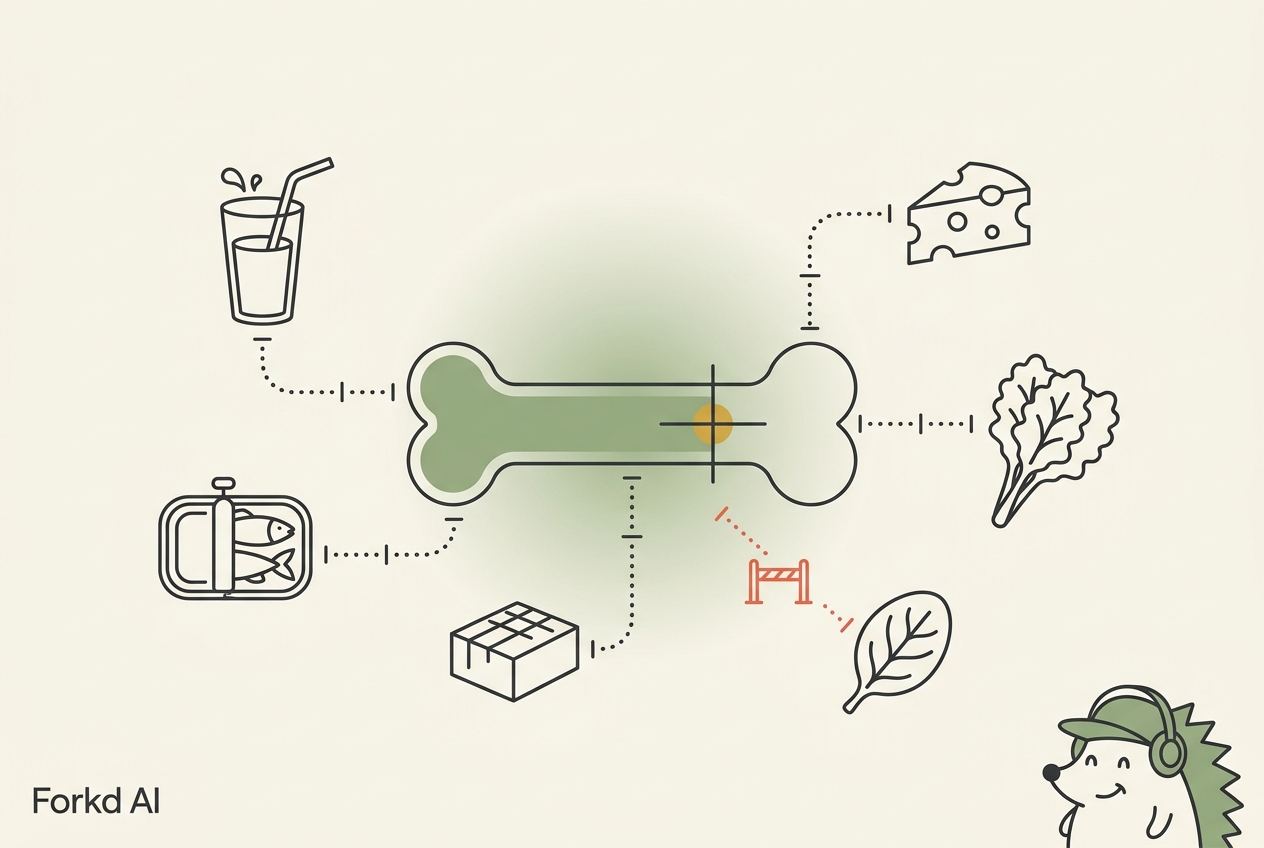
- Calcium. Dairy interferes with both heme and non-heme iron, so an iron-focused meal is not the place for a large glass of milk or a cheese-heavy sauce.
- Phytates. These bind iron in wholegrains and legumes. Soaking, sprouting, and fermenting reduce phytate content, which is part of why tempeh and sourdough behave better than their raw ingredients.
None of this means avoiding tea or dairy. It means separating them from the meals you are counting on for iron.
Do Vegetarians and Vegans Need More Iron?
Yes, and the adjustment is larger than most people expect. The Institute of Medicine sets the iron requirement for vegetarians at 1.8 times the standard RDA to account for the lower bioavailability of non-heme iron.
That puts a vegetarian premenopausal woman at roughly 32 mg per day on paper. Hitting that from food alone takes deliberate planning: legumes at most meals, seeds and nuts as regular snacks, vitamin C paired with every iron-containing meal, and coffee kept away from mealtimes. Our guide for vegan food trackers covers how this interacts with the other nutrients that need attention on a plant-based diet.
How Do You Know If You Are Getting Enough?
Two things, in order.
Track intake for a couple of weeks. Most people have never seen their iron number, and the result is usually informative in one direction or the other: either comfortably above the RDA thanks to red meat and fortified cereal, or persistently around half of it. Calorie-only apps will not show you this, because they track four numbers and iron is not one of them. Forkd tracks 29 micronutrients including iron from a photo, a voice note, or typed text, so the data accumulates without extra work. Search the App Store for "Forkd: Nutrition Intelligence".
Then, if intake looks adequate but symptoms persist, ask for a blood test that includes ferritin rather than haemoglobin alone. Depleted stores with normal haemoglobin is a common and treatable pattern, and no food log can detect it. Iron supplements are worth taking only on the back of a test, since excess iron accumulates and causes its own problems.
For the broader picture of which micronutrients are worth watching, see what micronutrients should I track.
Frequently Asked Questions
What is the single best food for iron?
Cooked oysters, at 7.8 mg per 3 oz serving of heme iron that is absorbed efficiently. Beef liver is a close second at 5.6 mg per 3 oz and is cheaper and easier to find. For anyone eating neither, a cup of cooked white beans or lentils delivers 6.6 mg, though a smaller share of it is absorbed.
Is spinach actually high in iron?
Spinach genuinely contains a lot of iron by weight, but two things reduce its usefulness. Absorption is limited by the oxalates and polyphenols in the leaves, and the portion needed is large: 6.4 mg requires a full cup of cooked spinach, not a garnish. Pairing it with a vitamin C source improves the yield considerably.
How long does it take to correct low iron through diet?
Restoring depleted iron stores generally takes months rather than weeks, because absorption is capped per meal and stores are rebuilt slowly. Ferritin is usually rechecked around three months after a change in diet or the start of supplementation. Diet alone can maintain iron status and correct mild shortfalls; diagnosed iron-deficiency anaemia normally needs supplements under medical supervision.
Does cooking in a cast iron pan increase iron intake?
It adds a measurable amount, particularly with acidic foods such as tomato sauce cooked for a long time. The transferred iron is non-heme, so the same absorption limits apply, and the quantity varies too much with pan seasoning and cooking time to count on. Treat it as a small bonus rather than a strategy.
Can you get too much iron from food?
Getting too much from food alone is unlikely for people without a genetic condition, since absorption falls as stores fill. Hereditary haemochromatosis breaks that regulation and causes iron to accumulate in the liver, heart, and pancreas. Supplements are the more common cause of overload, which is why iron supplements should follow a blood test rather than a hunch.
Do eggs count as a good iron source?
Eggs contain iron, but as the non-heme form, and egg yolk also contains phosvitin, a protein that binds iron and reduces its absorption. A large egg supplies well under 1 mg. Eggs earn their place in the diet for other reasons, and are not a meaningful part of an iron strategy.
Key Takeaways
- Iron RDAs: 8 mg for adult men and postmenopausal women, 18 mg for premenopausal women, 27 mg in pregnancy.
- Highest-iron foods per serving: oysters (7.8 mg), white beans and lentils (6.6 mg), spinach (6.4 mg), mussels (5.7 mg), and beef liver (5.6 mg).
- Roughly 25 percent of heme iron is absorbed, against 17 percent or less of non-heme iron from plants.
- Vitamin C sharply raises absorption of plant iron; tea, coffee, calcium, and phytates lower it.
- Vegetarians need about 1.8 times the standard RDA to account for lower bioavailability.
References
- StatPearls, National Center for Biotechnology Information (2024). Dietary Iron. Absorption percentages, bioavailability ranges, enhancers and inhibitors. ncbi.nlm.nih.gov
- National Institutes of Health, Office of Dietary Supplements. Iron: Fact Sheet for Health Professionals. RDA values and the 1.8x vegetarian adjustment. ods.od.nih.gov
- Institute of Medicine (2001). Dietary Reference Intakes for Vitamin A, Vitamin K, Arsenic, Boron, Chromium, Copper, Iodine, Iron, Manganese, Molybdenum, Nickel, Silicon, Vanadium, and Zinc. National Academies Press. ncbi.nlm.nih.gov
- USDA FoodData Central. Iron values for oysters (174250), mussels (174217), beef liver (168626), sardines (175139), ground beef (171794), clams (171975), sirloin (169458), white beans (175249), lentils (172421), spinach (168463), dark chocolate (170273), chickpeas (173757), pumpkin seeds (170557), tempeh (172467), tofu (172448), and cashews (170162). fdc.nal.usda.gov
Written by
Vineet Karhail builds Forkd, the AI-powered calorie and nutrition tracking app, and writes its research-backed guides on calories, macros, and micronutrients.