Best Intermittent Fasting Apps in 2026: Timers, Coaching, and Nutrition in One Place
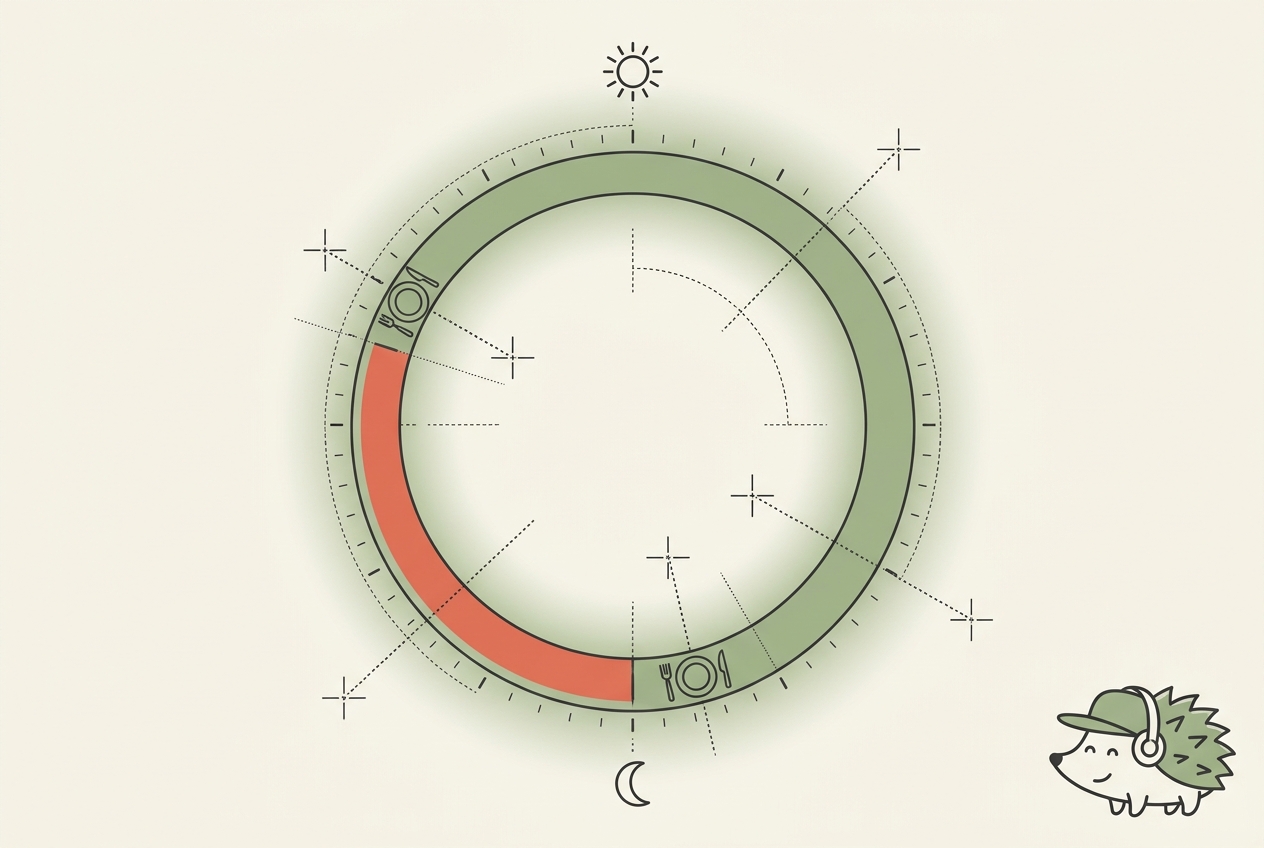
The Short Answer
The best intermittent fasting apps in 2026 are Forkd (best combination of fasting timer and nutrition tracking), Zero (best dedicated fasting timer with a clean free tier), Simple (best AI-powered fasting coaching), and DoFasting (best all-in-one premium package). Most people need more than a countdown clock, the gap most apps leave is nutrition tracking during the eating window, which determines whether fasting produces results.
Disclaimer
This article is for information only and does not replace medical advice. Needs vary with age, sex, and situation (pregnancy, conditions, medication): if in doubt or symptomatic, talk to a health professional.
What Should a Good Intermittent Fasting App Actually Do?
Most fasting apps do one thing: run a countdown timer. You set an eating window, the app tracks how long you've fasted, and it celebrates you at the end. That's useful, but it misses the bigger picture.
Intermittent fasting works through two mechanisms: reducing the daily window in which calories can be consumed, and extending the overnight fasting period during which fat oxidation increases. The timer handles the second mechanism. What determines whether the first mechanism actually reduces calorie intake is what you eat when the window opens.
An app that tracks your fasting hours but not your meals is missing half the data. The best apps either integrate nutrition tracking with the fasting timer or connect to a companion food logger.
Which Intermittent Fasting Apps Are Worth Using in 2026?
Forkd, Best Integration of Fasting and Nutrition
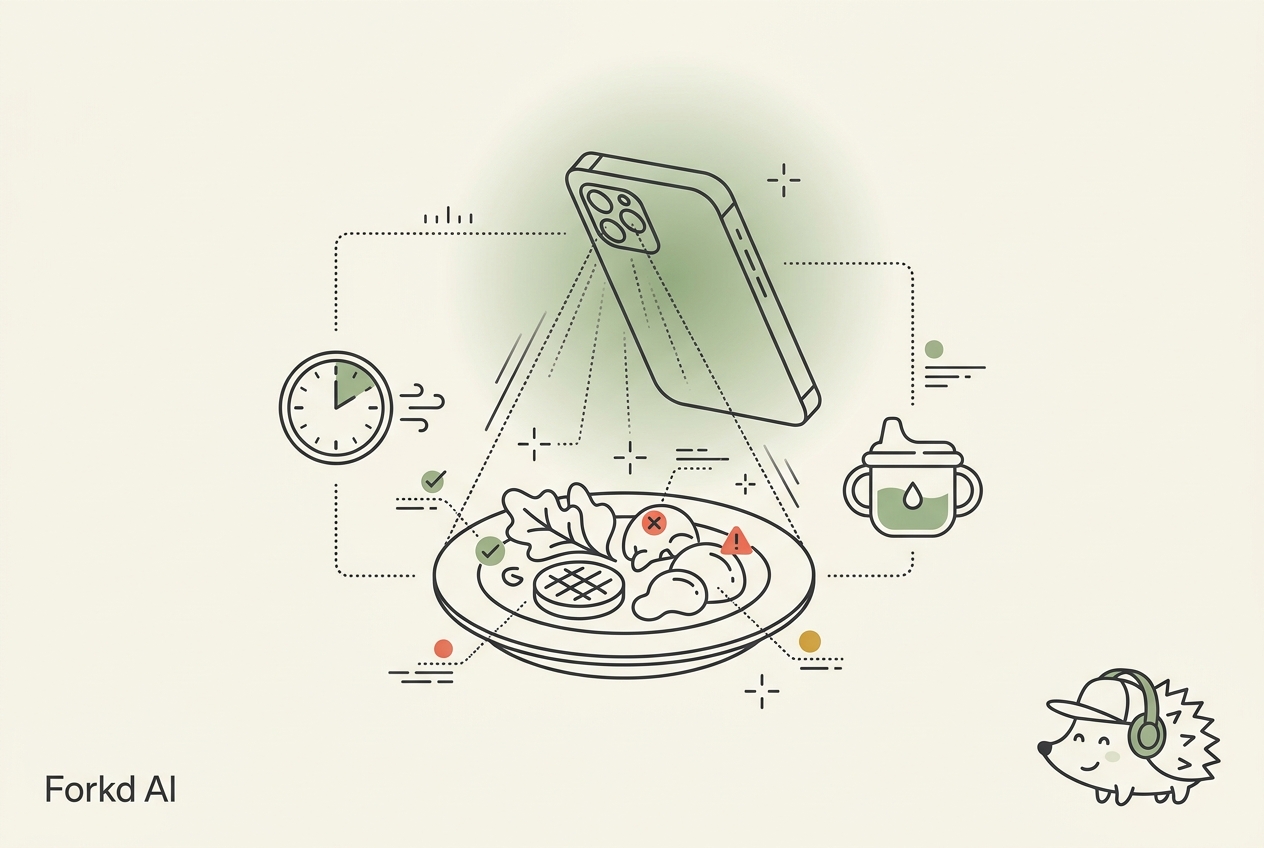
Forkd is designed so the fasting timer and the food log are the same app. You set your eating window, the fasting timer runs automatically, and when you open the eating window you log meals with AI photo recognition. The dashboard shows fasting progress and nutritional intake together rather than in separate apps.
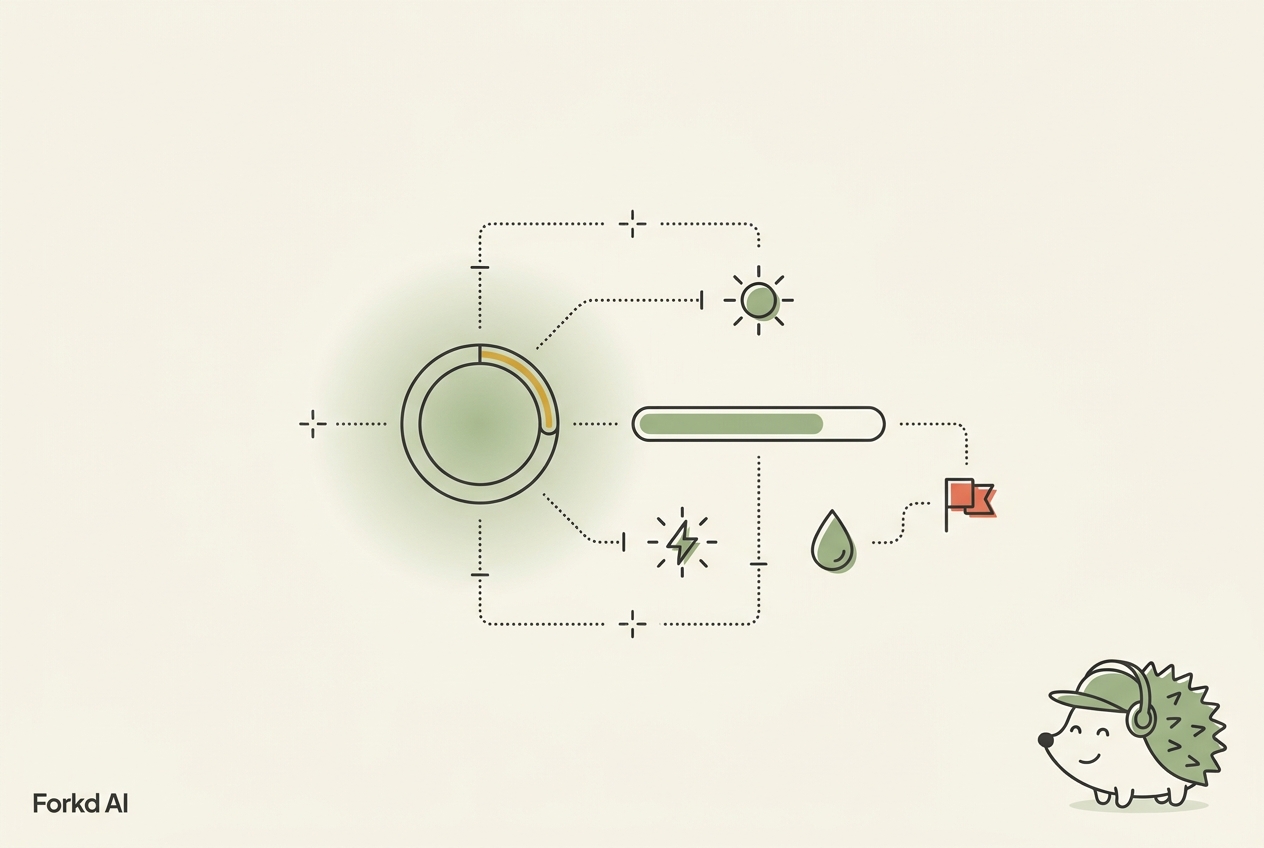
Three specific features stand out for fasting users. First, the progress indicator flags the approximate point where fat oxidation becomes the dominant fuel pathway, roughly at the halfway point of your fasting window, so you can see where you are in the metabolic cycle. Second, a safety warning triggers at 17 hours of fasting, which aligns with the research threshold where extended fasting risks (muscle catabolism, micronutrient depletion) start to escalate. Third, the fasting clock accounts for eating window consistency, because circadian biology responds to timing regularity, not just duration.
Zero, Best Free Dedicated Fasting Timer
Zero is the most widely used dedicated fasting app, built entirely around the fasting and eating window experience. It supports all major IF protocols: 16:8, 18:6, 20:4, 5:2, and custom windows. The free tier is genuinely usable with no meaningful daily cap. Zero Plus ($69.99/year) adds a library of fasting guides and content from health researchers.
Zero doesn't include food tracking, it's a fasting timer, not a nutrition app. Many users pair it with a separate calorie tracker.
Best for: people who want a clean, focused fasting timer without feature complexity. The app does one thing and does it well.
Simple, Best AI Coaching for Fasting Beginners
Simple asks detailed questions about your lifestyle, health history, and goals, then builds a personalised fasting plan with AI coaching support. When you're struggling with hunger in the fasting window or wondering whether to adjust your protocol, the AI coach answers questions and revises your plan based on progress.
The coaching tier is the most developed in the fasting category. If you're new to IF and want guidance rather than just a timer, Simple is the most supported starting point.
Pricing: subscription-based, typically $69.99/year.
DoFasting, Best All-in-One Premium Option
DoFasting combines a fasting timer with meal logging, workout plans, and a recipe library. It's aimed at users who want a single subscription covering diet, fasting, and exercise guidance rather than assembling multiple apps.
Pricing is at the higher end of the category (~$79.99/year or more depending on plan). The all-in-one design means depth in each area is shallower than specialist apps, the fasting features aren't as refined as Zero, and the nutrition tracking isn't as accurate as Cronometer.
Best for: someone starting fresh who wants one app to cover everything without needing to evaluate separate tools.
What Eating Window Actually Gets Results?
Research supports an 8–12 hour eating window for weight loss and cardiometabolic improvement. The key findings from recent evidence:
A 2024 umbrella review in eClinicalMedicine found significant improvements in weight, blood pressure, fasting glucose, and cardiovascular markers across studies using 8–12 hour windows. A 2024 American Heart Association observational study linked 8-hour eating windows specifically to a 91% higher relative risk of cardiovascular death compared to eating across 12–16 hours, though this remains observational data and the mechanism isn't confirmed.
The practical recommendation from current evidence: a 10-hour eating window (14 hours fasting) delivers meaningful metabolic benefits with the best risk profile. It's long enough for fat oxidation to become the dominant fuel pathway, short enough to maintain nutritional adequacy and avoid the cardiovascular signal associated with very short windows.
Good fasting apps reflect this rather than encouraging progressively shorter windows as a goal in itself.
Does Fasting Duration Matter More Than What You Eat During the Window?
No. Fasting duration and eating window quality both matter, and most people underestimate the eating window side.
The mechanism by which IF produces weight loss is primarily calorie reduction, the shorter window means fewer hours in which calories are consumed. But if the eating window is used to consume the same (or more) calories in a compressed time, the calorie-reduction mechanism doesn't activate. Fasting alone, without attention to what's eaten, often produces modest initial results followed by a plateau.
The apps that produce the best outcomes are the ones where fasting timer and food log are integrated, because you can see both variables in one place rather than managing them separately and missing the relationship between them.
Frequently Asked Questions
Does It Matter What Time of Day My Eating Window Falls?
Yes, modestly. Research suggests that earlier eating windows (eating from morning to early afternoon) produce stronger metabolic effects than later windows (noon to 8pm), because insulin sensitivity peaks in the morning. However, later windows are more common in practice because skipping breakfast is easier socially than skipping dinner. Both approaches produce meaningful results, if an earlier window isn't sustainable for your life, a later one still works.
Can I Drink Coffee or Tea During the Fasting Window?
Black coffee, plain tea, and sparkling water don't contain meaningful calories and don't stimulate a significant insulin response. Most fasting researchers consider them compatible with maintaining the metabolic state of fasting. Adding milk, sugar, or cream, even small amounts, breaks the fast technically, though the practical impact is minimal for most people.
What Should I Eat During the Eating Window to Get the Most from Fasting?
Protein and fiber are the priorities. Protein (1.6–2.0g/kg/day) distributed across two or three meals preserves lean muscle mass, which is the primary risk during extended fasting in a calorie deficit. Fiber (25–30g/day) supports satiety and gut function, which is important when meals are more compressed. Both also reduce hunger during the fasting window, which makes maintaining the protocol easier.
How Long Does It Take to Adapt to Intermittent Fasting?
Most people experience the most pronounced hunger and energy fluctuations during the first one to two weeks of IF as the body adjusts to the new eating pattern. By week three, hunger during the fasting window typically decreases significantly, and many people report clearer energy compared to when they ate throughout the day. The adaptation timeline varies with fasting duration, longer fasting windows take more time to become comfortable.
Key Takeaways
- The best fasting apps integrate nutrition tracking and fasting timing in one place, a countdown clock alone misses half the data that determines results
- Forkd integrates AI photo logging, fasting timer, safety warnings, and coaching; Zero is the cleanest free timer; Simple has the most developed AI coaching for beginners
- Research supports a 10-hour eating window (14 hours fasting) as the evidence-backed sweet spot with the best benefit-to-risk profile
- Apps should flag safety at 17+ hours, beyond this threshold, muscle catabolism risk, micronutrient depletion, and cardiovascular strain increase
- Fasting alone doesn't guarantee calorie reduction, what you eat during the eating window determines whether the weight-loss mechanism actually activates
Written by
Vineet Karhail builds Forkd, the AI-powered calorie and nutrition tracking app, and writes its research-backed guides on calories, macros, and micronutrients.