Does Counting Calories Work? What the Research Says (and Why It Fails So Many People)
The Short Answer
Yes. Tracking what you eat is one of the most consistent predictors of weight loss in behavioral research. The numbers are never exact: food labels can legally run 20 percent over, and self-described diet-resistant dieters in one classic study underreported intake by 47 percent. Counting works because it keeps you aware and consistent, so aim for frequency over perfection.
Does Counting Calories Actually Work?
Yes. But calorie counting has a reputation problem, and some of it is earned.
The case for it is simple. Your weight changes when the energy you eat stops matching the energy you burn, and it's hard to manage a number you never look at. The case against it is just as familiar. Counting is tedious, the numbers are fuzzy, and plenty of people have tried it, felt miserable, and quit.
Both camps have a point. The research shows where each one is right.
What Does the Research Say About Tracking Food?
Tracking sits at the center of almost every behavioral weight loss program that works. A 2011 systematic review looked at 22 studies on tracking diet, exercise, and body weight, and consistently found a significant link between self-monitoring and weight loss. The authors did rate the evidence as weak, mostly because the studies relied on self-report and had fairly narrow samples.
Larger trials point the same way. In the Weight Loss Maintenance trial, 1,685 adults went through a six-month program of 20 weekly group sessions and lost an average of 5.8 kg. The behaviors that predicted bigger losses were attending sessions, exercising more, and keeping more food records each week.
A 2019 study in Obesity got more specific, and the result is genuinely encouraging. People in a 24-week online program spent about 23 minutes a day logging in month one and under 15 minutes by month six. Time spent didn't predict success. Frequency did. People who lost at least 5 percent of their body weight opened their food journal 2.4 times a day, against 1.6 times for everyone else.
So logging gets faster with practice, and little check-ins beat long catch-up sessions.
Why Are Calorie Counts So Inaccurate?
This is the part that makes people cynical.
People underestimate what they eat. A 1992 New England Journal of Medicine study looked at people who said they couldn't lose weight on under 1,200 calories a day. Their metabolisms were normal, within 5 percent of predicted values. They just weren't eating 1,200 calories. On average they underreported their food intake by 47 percent and overreported their exercise by 51 percent. The group showed no distinct psychological problems, which is the point. This is ordinary human error, and everyone makes it to some degree.
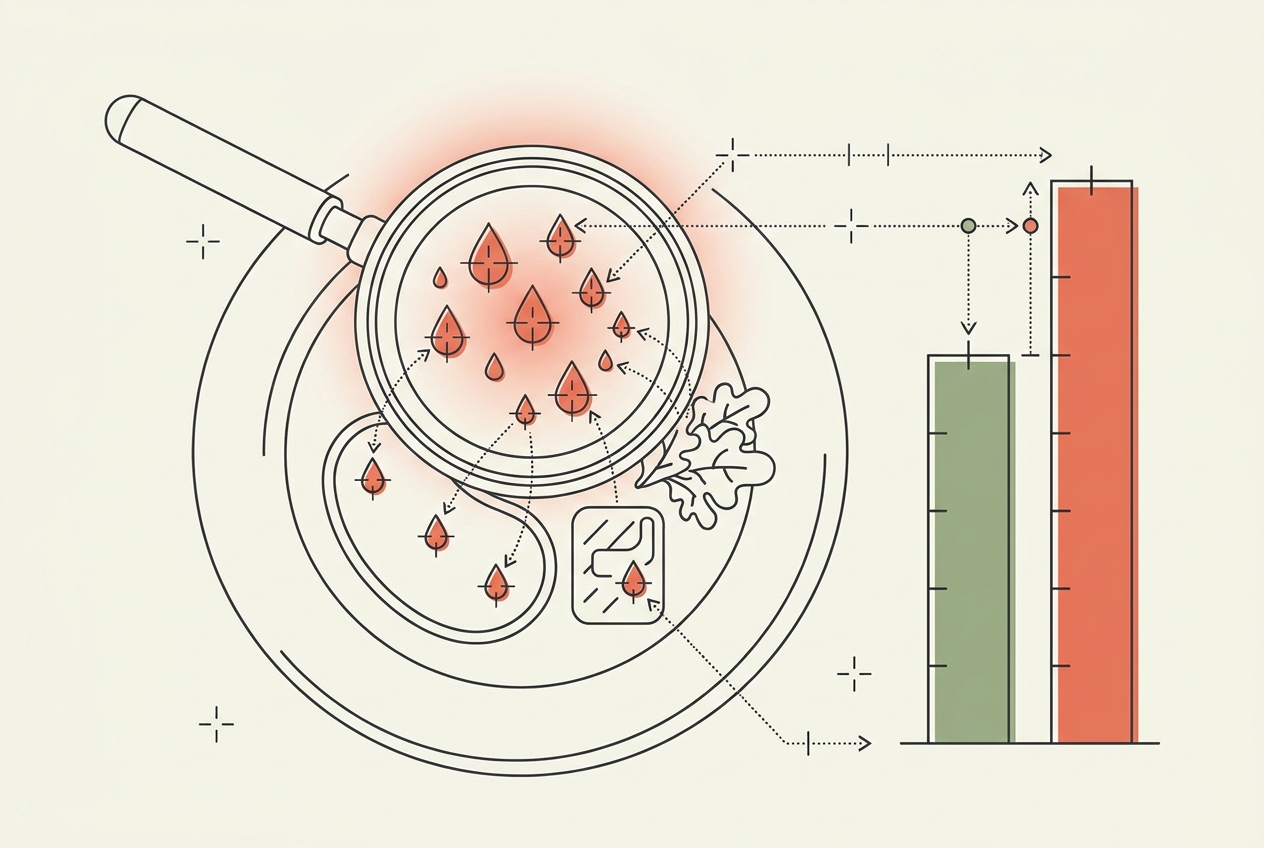
Labels have wiggle room. Under FDA rules, a packaged food is only considered misbranded if its actual calories run more than 20 percent above the label. A snack labeled 200 calories can legally contain 240.
Restaurant numbers swing widely. A 2011 JAMA study measured 269 foods from 42 restaurants. On average, stated calories were close to reality. Item by item, they were all over the place, and 19 percent of foods had at least 100 calories more than the menu claimed.
Even the database can miss in your favor. Calorie values come from standard conversion factors that don't fit every food. When USDA researchers measured how much energy people actually absorbed from almonds, a 28-gram serving delivered 129 calories. The standard factors predict 168 to 170. That's a 32 percent overestimate.
Stack those together, and a day you logged at 1,800 calories could plausibly be a few hundred higher or lower in reality.
If the Numbers Are Wrong, Why Does Counting Still Work?
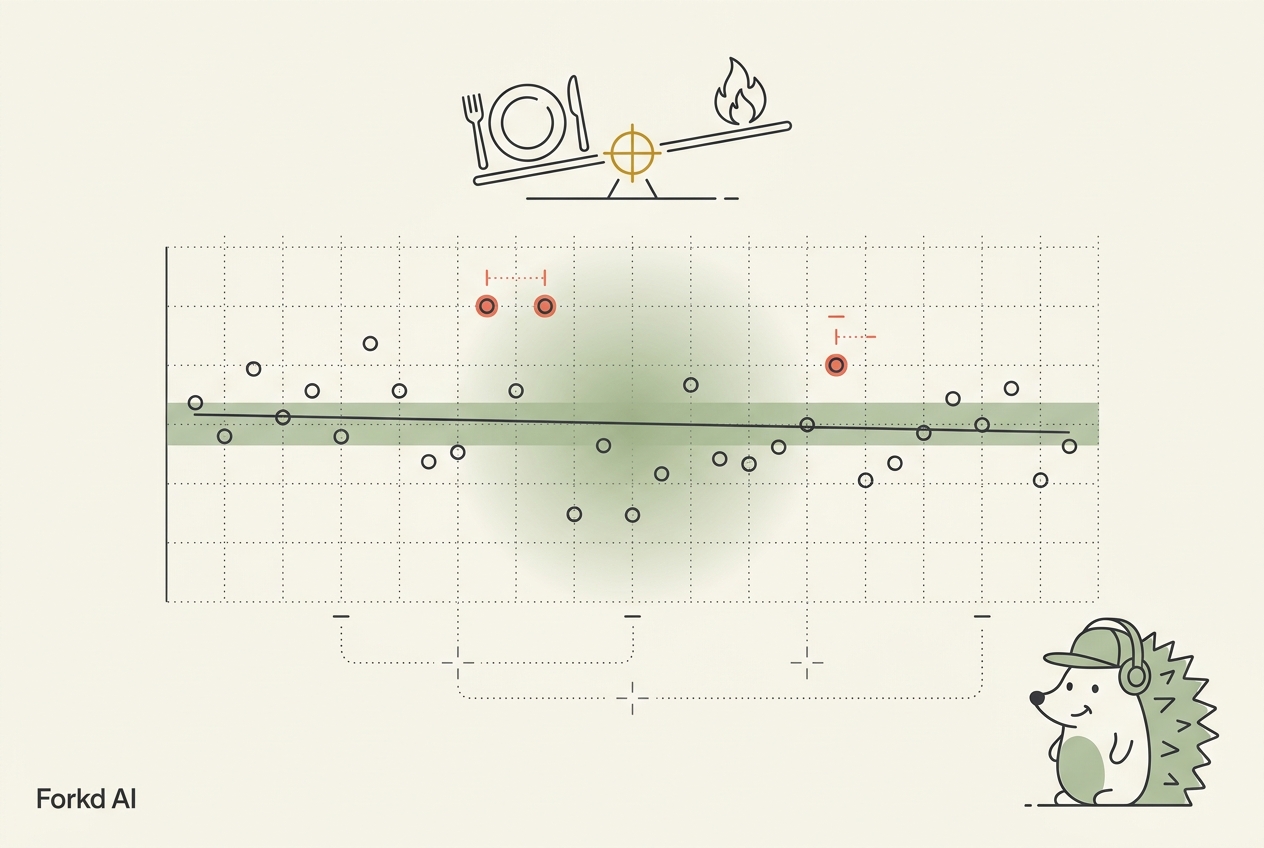
Because most of the errors repeat. If you log the same way every day, you make roughly the same mistakes every day. Your weight trend then tells you whether your logged number is a deficit, whatever the true figure is.
Think of a food log as a bathroom scale that reads two kilos heavy. It won't give you an exact reading, but it tracks change perfectly well.
Counting also changes behavior before any math happens. Logging a handful of chips forces a tiny decision. So does seeing what two tablespoons of dressing add to a "light" salad. That awareness is a big part of why tracking works at all.
To turn your logs into a real number, our guide to maintenance calories walks through the two-to-three-week method.
Does the Type of Calorie Matter?
Calories count. What you eat also changes how many calories you end up eating.
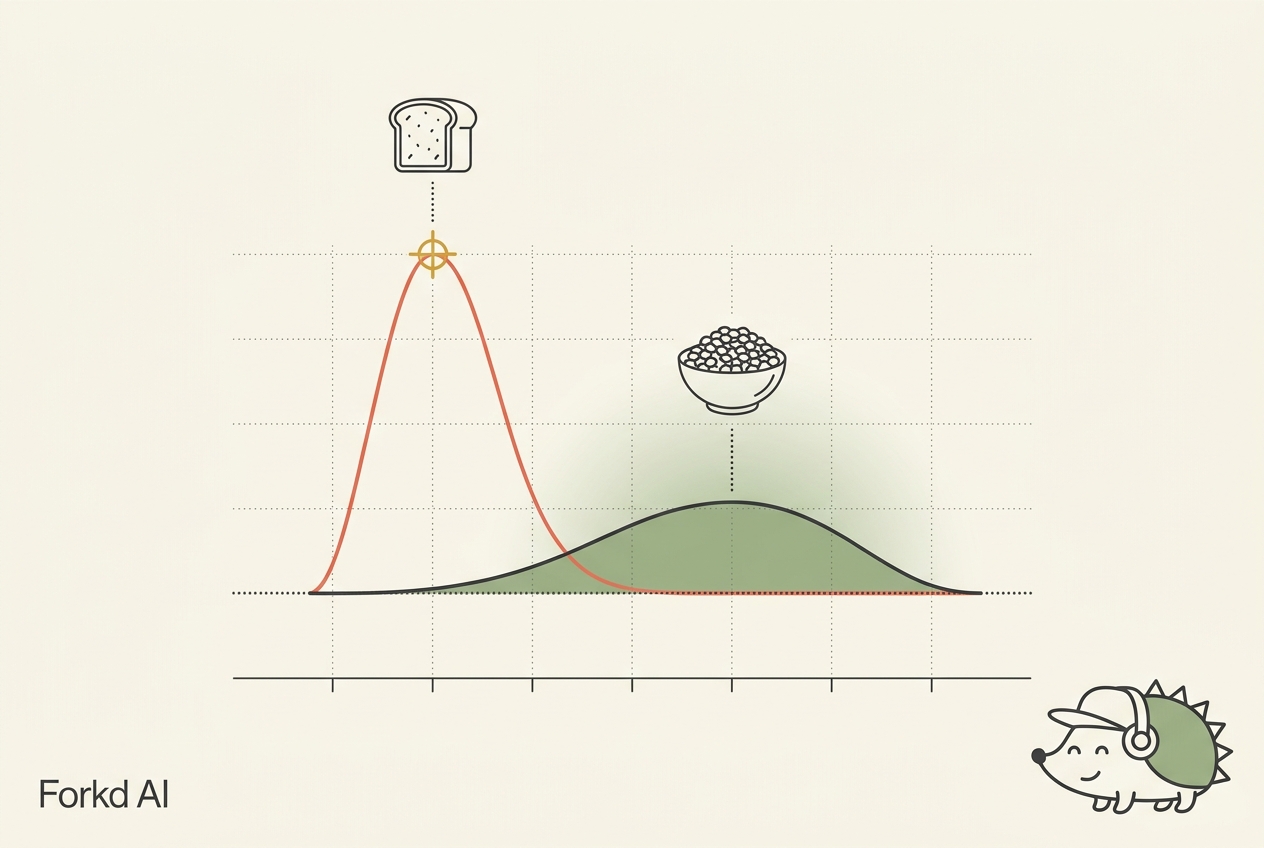
The clearest evidence is a 2019 NIH study led by Kevin Hall. Twenty adults lived at the NIH Clinical Center for four weeks: two weeks on an ultra-processed diet and two on an unprocessed one. Meals were matched for calories, sugar, fat, fiber, and sodium, and people could eat as much or as little as they liked. On the ultra-processed diet, they ate 508 more calories a day. On the unprocessed diet they lost 0.9 kg, and their weight changes closely tracked how much they ate.
Hall discusses the research here:
Counting tells you how much you ate. Food choices decide how hard it feels to eat that amount.
Who Shouldn't Count Calories?
Counting isn't for everyone. If you have a history of disordered eating, or tracking makes you anxious or obsessive, detailed calorie counting can do real harm. A doctor or registered dietitian can help you find a different approach, like structured meal plans or hunger-based eating.
It's also fine to stop. Plenty of people track closely for a few months, learn what their portions really look like, and then switch to occasional spot checks. That counts as success.
How Do You Count Calories Without Hating It?
A few habits make most of the difference:
- Log as you go. Frequency beats evening catch-up sessions, and memory gets hazy fast.
- Weigh your food for two weeks. A kitchen scale recalibrates your eye, which helps your estimates long after you put it away.
- Always log the oil. Cooking fats, dressings, and sauces are the easiest calories to miss. Our breakdown of why your food log is lying to you ranks the usual gaps.
- Watch the weekly trend. Single days are mostly noise from water and salt.
- Cut the friction. Since how often you log matters more than how long it takes, anything that makes logging faster helps.
That last point is why we built Forkd the way we did. The AI calorie counter logs a meal from a photo, a voice note, or a line of text in under 10 seconds, and hidden calorie detection accounts for the oil and dressing you'd otherwise forget. If you're wondering how reliable photo estimates are, we covered that in how accurate is AI calorie counting. Search the App Store for "AI Calorie Tracker: Forkd".
Frequently Asked Questions
Is calorie counting effective for weight loss?
Yes. Tracking food intake is consistently linked with weight loss in behavioral research, and in large trials, people who keep food records more often tend to lose more. It works best alongside regular weigh-ins and a realistic calorie target.
How accurate do calorie counts need to be?
Less accurate than most people think. Consistency matters more than precision, because a steady logging error still shows up as a clear trend on the scale. Log the same way each day, include cooking oils and drinks, and adjust your target based on how your weight moves.
Why am I not losing weight when I count calories?
The usual culprits are underestimated portions, forgotten cooking oils, drinks, and bites, and a calorie target set too high. Food labels and restaurant menus can also understate calories. Two to three weeks of careful logging with daily weigh-ins will usually show where the gap is.
Is it better to count calories or macros?
Calories drive weight change, so start there. Tracking protein as well helps you keep muscle and stay full during a deficit. Full macro tracking makes sense if you have specific performance or body composition goals. See how much protein do I need per day for targets.
Do I have to count calories forever?
No. Many people track closely for a few months, learn their portions and habits, and then move to occasional check-ins. Going back to tracking for a week or two when your weight drifts is a normal way to recalibrate.
Key Takeaways
- Tracking food intake is one of the most consistent predictors of weight loss in behavioral studies.
- How often you log matters more than how long you spend. Successful dieters in one study checked their food journal 2.4 times a day.
- Calorie counts are imprecise. Packaged food can legally exceed its label by 20 percent, and diet-resistant dieters in one study underreported intake by 47 percent.
- Consistent logging errors still reveal a reliable weight trend, which is why counting works without being exact.
- People ate 508 more calories a day on an ultra-processed diet, so food quality shapes how easy counting feels.
References
- Burke LE, Wang J, Sevick MA. (2011). Self-monitoring in weight loss: a systematic review of the literature. Journal of the American Dietetic Association, 111(1), 92-102. doi.org
- Hollis JF, Gullion CM, Stevens VJ, et al. (2008). Weight loss during the intensive intervention phase of the weight-loss maintenance trial. American Journal of Preventive Medicine, 35(2), 118-126. doi.org
- Harvey J, Krukowski R, Priest J, West D. (2019). Log often, lose more: electronic dietary self-monitoring for weight loss. Obesity, 27(3), 380-384. doi.org
- Lichtman SW, Pisarska K, Berman ER, et al. (1992). Discrepancy between self-reported and actual caloric intake and exercise in obese subjects. New England Journal of Medicine, 327(27), 1893-1898. doi.org
- Urban LE, McCrory MA, Dallal GE, et al. (2011). Accuracy of stated energy contents of restaurant foods. JAMA, 306(3), 287-293. doi.org
- Novotny JA, Gebauer SK, Baer DJ. (2012). Discrepancy between the Atwater factor predicted and empirically measured energy values of almonds in human diets. American Journal of Clinical Nutrition, 96(2), 296-301. doi.org
- Hall KD, Ayuketah A, Brychta R, et al. (2019). Ultra-processed diets cause excess calorie intake and weight gain: an inpatient randomized controlled trial of ad libitum food intake. Cell Metabolism, 30(1), 67-77. doi.org
- U.S. Food and Drug Administration. 21 CFR 101.9, Nutrition labeling of food, paragraph (g). ecfr.gov
Written by
Vineet Karhail builds Forkd, the AI-powered calorie and nutrition tracking app, and writes its research-backed guides on calories, macros, and micronutrients.