Best Barcode Scanner Food Tracker Apps in 2026: Scan, Log, Done
The Short Answer
The best barcode scanner food tracker apps in 2026 are Cronometer (most accurate nutrition data from verified sources, free barcode scanning), Lose It! (largest database with strong packaged food coverage), and Forkd (barcode and nutrition label scanning combined with AI photo logging for unpackaged foods). MyFitnessPal moved barcode scanning to Premium in 2026, making it a paid feature at $79.99/year after being free for over a decade.
Disclaimer
This article is for information only and does not replace medical advice. Needs vary with age, sex, and situation (pregnancy, conditions, medication): if in doubt or symptomatic, talk to a health professional.
Why Does Barcode Scanning Matter for Food Tracking?
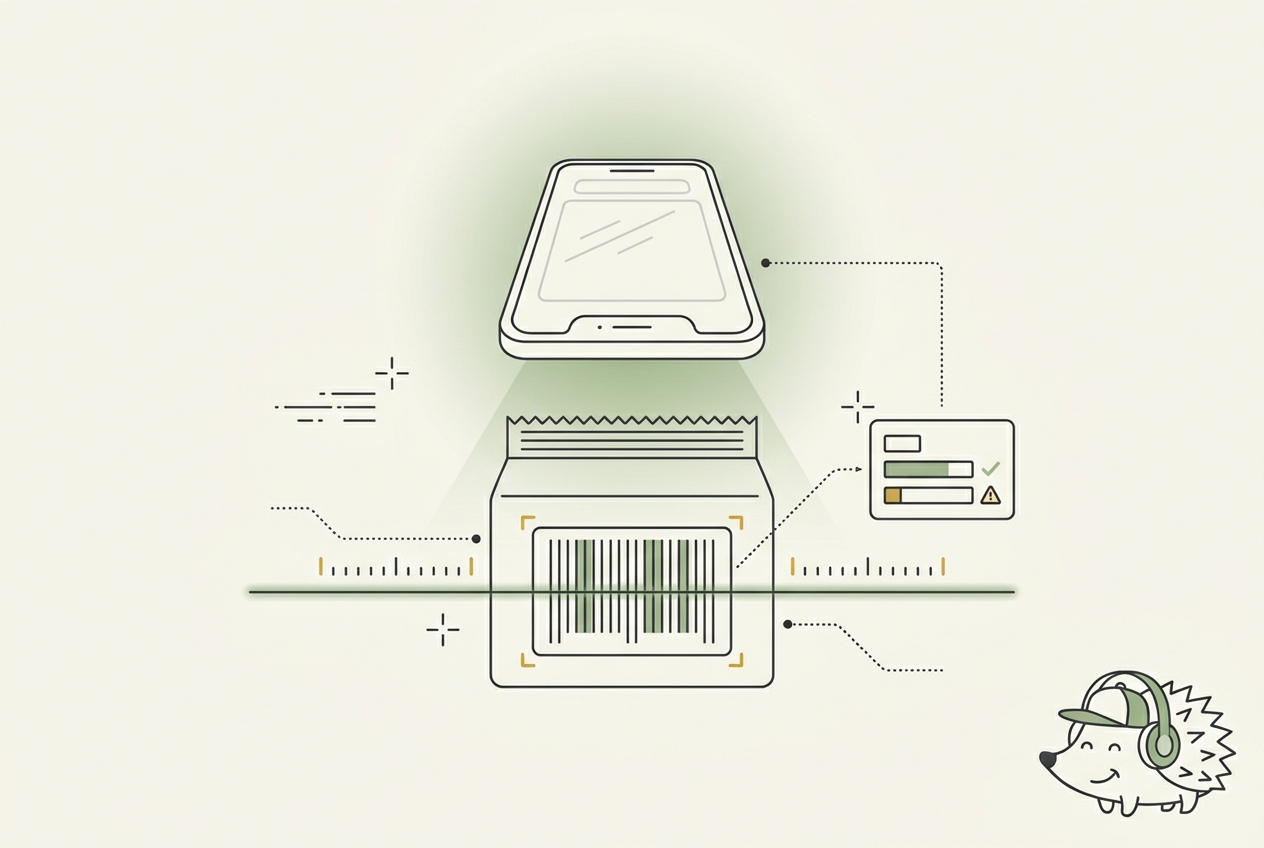
Packaged food is where calorie tracking fails most often. Searching a database for "Greek yoghurt" returns dozens of near-matches. Searching "Fage Total 0% Greek Yoghurt, 170g" via barcode returns the exact nutritional label in under two seconds, no choices, no guessing at serving sizes, no risk of selecting the wrong entry.
For people who eat a significant amount of packaged and processed food, barcode scanning is the feature that separates fast logging from tedious logging. The difference between a 5-second barcode scan and a 90-second database search doesn't sound significant until you're doing it three times a day, seven days a week.
The catch in 2026: barcode scanning has moved behind paywalls at two of the three largest calorie tracking apps. Knowing which apps still offer free barcode scanning changes which app is worth using.
Which Apps Have the Best Barcode Scanners in 2026?
Cronometer, Best Free Barcode Scanning
Cronometer's barcode scanner is part of the free tier with no daily cap. Scan a product and get the full nutritional breakdown, calories, macros, and all 84 micronutrients, sourced from the USDA NCCDB and verified third-party sources. The database covers major branded products in North America and international markets.
The combination of free scanning and verified data makes Cronometer the most reliable free option for packaged food logging. If the product isn't in the database, you can add it manually (entering from the label) and Cronometer stores it for future use.
Lose It!, Largest Packaged Food Database
Lose It!'s 27-million item database has strong coverage of packaged and branded products across North America, Europe, and beyond. The database grew substantially in 2025 with expanded international product coverage. As of 2026, barcode scanning has moved to Premium for new users, check the current status for your account, as this change rolled out in stages.
Lose It! Premium costs $39.99/year, which includes barcode scanning plus meal planning, nutrient timing features, and wearable integration.
Forkd, Barcode Scanning and Nutrition Label Scan Combined
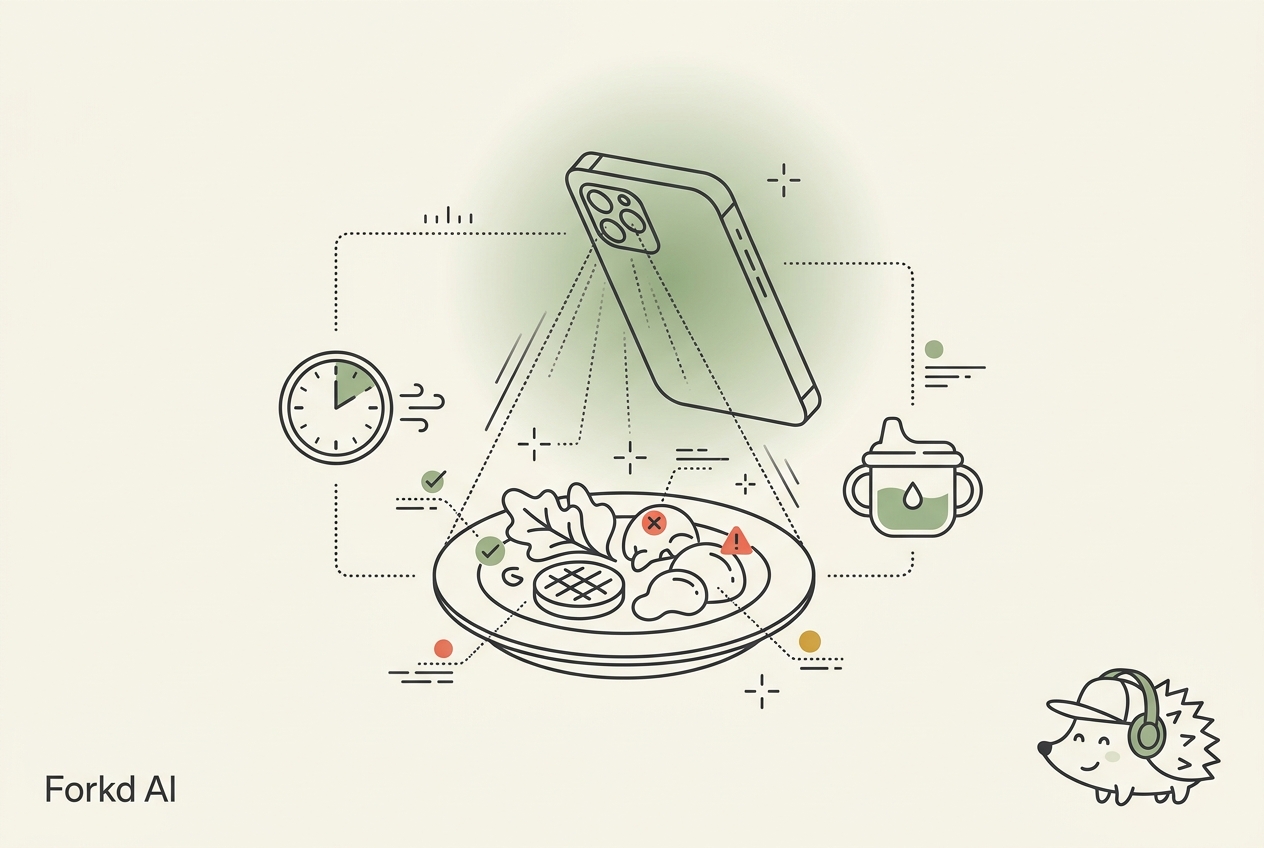
Forkd lets you scan either a product barcode or the nutrition label itself. The nutrition label scan is useful for products not in the barcode database, international items, local products, specialty foods, because the OCR reads the label data directly rather than requiring database lookup. This significantly expands coverage beyond what barcode databases alone can handle.
For packaged foods in the database, barcode scanning returns calories, macros, and micronutrients. For unpackaged foods (home cooking, restaurant meals, fresh produce), the AI photo scanner handles logging in the same app, you're not switching between tools.
MyFitnessPal, Now Requires Premium
MyFitnessPal introduced barcode scanning as a free feature in 2011. It remained free until 2024, when it moved to Premium only for most users. As of 2026, barcode scanning requires a Premium subscription at $79.99/year.
The database is the largest in the category at 14 million items, with the broadest international coverage. If you're already paying for MyFitnessPal Premium and specifically need its international database coverage, the scanner is excellent. For someone choosing a new app specifically for barcode scanning, the price-to-value comparison against Cronometer's free tier is hard to justify.
How Accurate Is Barcode-Scanned Nutritional Data?
Barcode-scanned data is typically among the most accurate in food tracking apps, because it comes directly from the product's nutritional label. The key variables are database source and quality:
Verified databases (Cronometer, USDA-sourced) enter nutritional data from primary sources, the product manufacturer's label or lab analysis. These are the most accurate.
Crowdsourced databases (MyFitnessPal, to a degree) rely on users to enter nutritional data. For major branded products scanned frequently, the data is usually accurate because errors get corrected over time. For less common products, entries may be incorrect, incomplete, or duplicate.
The practical check: after scanning any product, compare the calorie and protein values in the app against the printed nutritional label on the package. For products you scan regularly, this one-time verification catches any database errors before they accumulate into a tracking pattern.
What Should a Good Barcode Scanner App Include?
Instant scan. The camera should open directly to scanning mode rather than requiring multiple taps. Scan-to-result in under two seconds is the standard for good apps.
Portion size adjustment. Nutritional labels report per-serving values. If you eat half a serving or two servings, the app should let you adjust the quantity and recalculate immediately.
Missing product workflow. No database covers every product. Good apps let you add missing products quickly, either by reading the nutritional label manually or through nutrition label OCR, and save them for future use.
Nutrition label scan as a backup. For products that aren't in the barcode database, being able to scan the nutrition label itself (via OCR) gives you accurate data without manual entry of every field.
Frequently Asked Questions
Can I Scan Foods From Other Countries in These Apps?
Coverage varies significantly. MyFitnessPal has the broadest international barcode database. Cronometer has good North American coverage with more limited international data. Lose It! expanded international coverage in 2025. For international products, Forkd's nutrition label scan is often more reliable than barcode database lookup for items from markets outside the app's primary geography.
What If the Nutritional Information That Scans Is Wrong?
Compare the app's data against the printed label on the package. If the values don't match, use the "edit" function to enter the correct values manually. In apps with crowdsourced databases, you can often report incorrect entries or submit corrected values. In apps using verified databases like Cronometer, discrepancies usually mean the product label data has been updated since the database entry was made.
Does Scanning the Barcode vs Searching the Database Give Different Results?
They pull from the same database, so the nutritional data should be identical. The difference is accuracy of product identification, barcode scanning identifies the exact product including size and variant, which eliminates the risk of selecting the wrong entry (e.g., full-fat vs reduced-fat, 200g vs 400g). Database search requires you to find the right match manually.
Can I Use Barcode Scanning to Log Meals at Restaurants?
No, restaurant meals don't have barcodes. For restaurant meals, AI photo logging is the fastest alternative. For chain restaurants with standardised menus, database search by restaurant and dish name is the most accurate method.
Key Takeaways
- Barcode scanning is the most accurate and fastest way to log packaged foods, and the feature that most clearly separates usable free apps from paywalled ones
- Cronometer has the best free barcode scanning with verified data; Forkd adds nutrition label OCR scanning for products not in the database; Lose It! has the largest database (Premium required for new users)
- MyFitnessPal moved barcode scanning to Premium in 2024, it now costs $79.99/year, making Cronometer's free offering significantly more competitive
- Always verify scanned data against the physical label on the package the first time you log a product, crowdsourced databases have variable accuracy for less common items
- Nutrition label scanning (OCR) is the most useful backup for international and specialty products not in standard barcode databases
Written by
Vineet Karhail builds Forkd, the AI-powered calorie and nutrition tracking app, and writes its research-backed guides on calories, macros, and micronutrients.