Best Micronutrient Tracking Apps in 2026: Beyond Calories to What Actually Fuels You
The Short Answer
The best micronutrient tracking apps in 2026 are Cronometer (tracks 84 verified nutrients, the most detailed in the category), Forkd (tracks key micronutrients including iron and calcium alongside AI photo logging and fasting), and MacroFactor (tracks micronutrients within its adaptive macro coaching platform). For clinical-level micronutrient analysis, Cronometer is the standard. For faster everyday tracking with useful micronutrient visibility, Forkd covers the nutrients most people are actually deficient in.
Disclaimer
This article is for information only and does not replace medical advice. Needs vary with age, sex, and situation (pregnancy, conditions, medication): if in doubt or symptomatic, talk to a health professional.
Why Track Micronutrients at All?
Calories tell you about weight. Macros tell you about the composition of what you eat. Micronutrients tell you why you feel the way you do.
Iron deficiency causes fatigue that doesn't improve with more sleep. Magnesium deficiency causes poor sleep, muscle cramps, and anxiety. Low vitamin D is associated with low mood, compromised immune function, and poor bone density. Calcium deficiency increases fracture risk over time. B12 deficiency causes neurological symptoms that accumulate slowly.
The problem is that none of these deficiencies announce themselves clearly. Tiredness feels like tiredness. Poor sleep feels like poor sleep. Without data, the connection between what you eat and how you feel is invisible. Tracking micronutrients, even imperfectly, surfaces those connections.
Most people on calorie-restricted diets are at elevated risk of micronutrient shortfalls. A 2024 study in Frontiers in Nutrition (Zhang et al.) found that caloric restriction significantly increases the risk of failing to meet Recommended Dietary Allowances for multiple essential nutrients. The more restrictive the diet, the greater the shortfall risk, and the more useful micronutrient tracking becomes.
Which Apps Actually Track Micronutrients Well?
Cronometer, Most Comprehensive
Cronometer tracks 84 nutrients per food entry: vitamins A through K, B vitamins, all major and trace minerals, amino acids, fatty acids, and more. The data comes from verified sources, the USDA NCCDB and third-party lab-tested entries. There are no crowdsourced entries that show calcium as 0mg because someone forgot to fill in the field.
The free tier includes full micronutrient tracking with unlimited food logging. The daily nutrient report shows exactly where you are against your RDA targets for every tracked nutrient, with colour-coded indicators showing gaps. This is the most complete micronutrient picture available in a consumer app.
Cronometer Gold ($49.99/year) adds fasting tracking, biometric logging, and export to PDF or CSV, useful if you want to share the data with a dietitian or doctor.
Drawback: logging speed. The photo logging feature added in 2025 is useful but slower than AI-first apps. Average logging time per meal runs around 22 seconds. For thorough daily tracking, this adds up.
Forkd, Best for Everyday Micronutrient Visibility
Forkd tracks the micronutrients most people are actually deficient in, iron, calcium, key B vitamins, and vitamin D, as part of every food log. The trade-off is depth: Forkd doesn't track 84 nutrients, but it tracks the ones where gaps are most common and most likely to explain how you feel day to day.
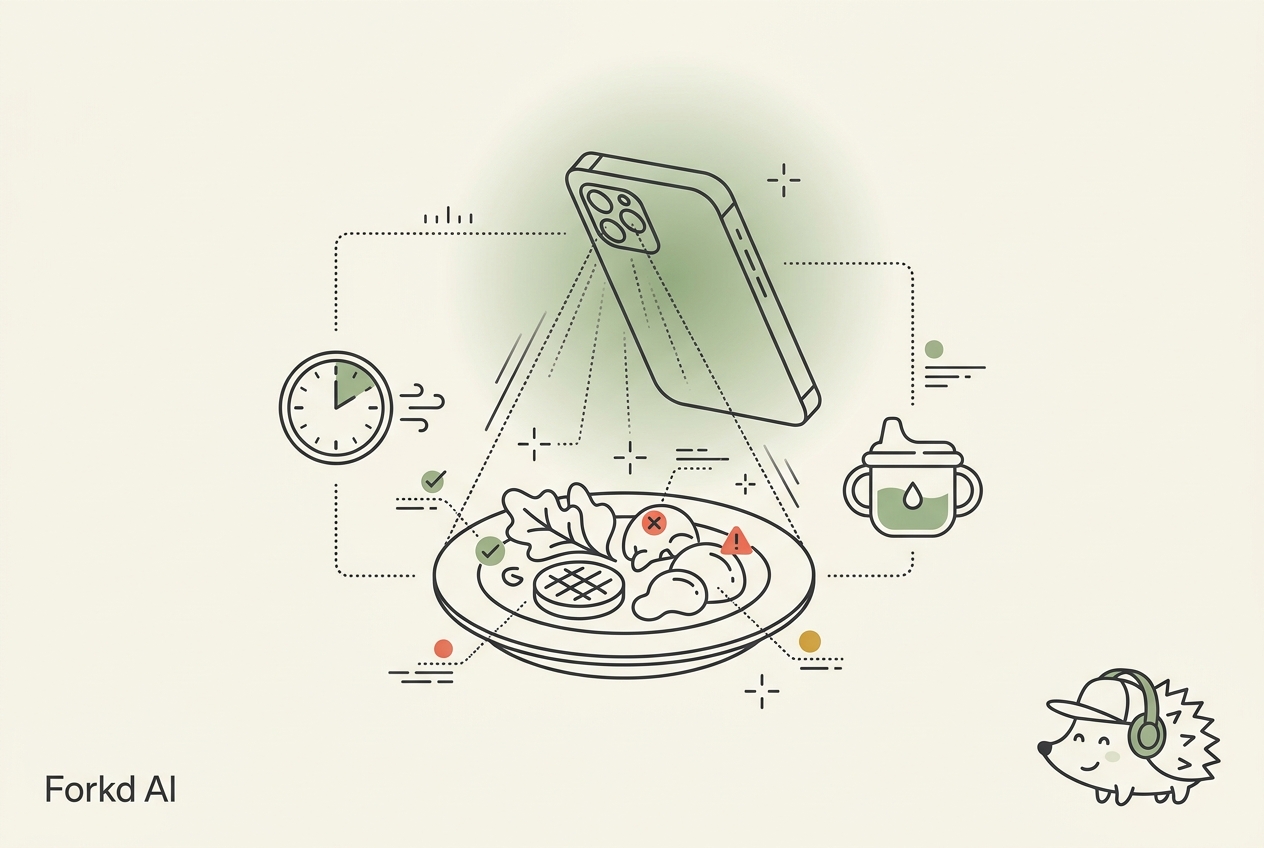
The integration with AI photo logging is where Forkd stands out: you photograph a meal and get micronutrient data alongside calories and macros in under 10 seconds. No separate data entry required. This makes micronutrient tracking habitual rather than a second job.
Weekly insights from Forkie flag patterns in your micronutrient data, "your last few days have been low on iron, which could explain afternoon fatigue", with practical suggestions rather than just raw numbers.
Best for: people who want actionable micronutrient data integrated into their daily tracking routine without the depth (or complexity) of a clinical tool.
MacroFactor, Micronutrients Within Adaptive Coaching
MacroFactor tracks macros and micronutrients within its adaptive coaching platform. The nutritional data depth is good but not as comprehensive as Cronometer's 84-nutrient breakdown. The strength here is the adaptive calorie and macro coaching, micronutrient data is a useful addition rather than the core feature.
If you're already using MacroFactor for macro coaching and want to monitor micronutrient trends alongside your adaptive targets, it handles both. If micronutrient tracking is your primary goal, Cronometer gives you more data.
MyFitnessPal, Tracks Nutrients, Variable Data Quality
MyFitnessPal tracks most key micronutrients and has the largest food database in the category. The limitation is database quality: with 14 million user-submitted entries, many lack micronutrient data. You may find the exact food you ate, but its micronutrient fields may show 0 or N/A because they were never filled in.
Premium ($79.99/year) unlocks full micronutrient reporting, but the underlying data variability limits how much you can trust it for clinical-level nutrient monitoring.
Which Micronutrients Are Most Worth Tracking?
Not all 84 nutrients Cronometer tracks need daily attention. The ones with the highest prevalence of deficiency and the most direct impact on how you feel:
Iron. Deficiency is the most common nutritional deficiency globally. Women of reproductive age, vegetarians, vegans, and anyone in a calorie deficit are at elevated risk. Symptoms include fatigue, brain fog, shortness of breath, and cold sensitivity. Target: 8mg/day for adult men, 18mg/day for premenopausal women.
Calcium. Chronically low intake accelerates bone loss. Most adults, particularly those who don't eat dairy, consume well below the 1,000mg/day recommended intake. Dark leafy greens, fortified plant milks, tofu, and sardines are good non-dairy sources.
Vitamin D. Most people living above 35 degrees latitude are at risk of low vitamin D from October to April. The app can track dietary vitamin D, but dietary sources alone rarely meet the 600–800 IU/day target, sun exposure and supplementation are usually required.
Magnesium. Low-magnesium diets are associated with poor sleep quality, anxiety, and muscle cramps. Most people consume about 60% of the 320–420mg daily target. Nuts, seeds, dark chocolate, and legumes are the richest food sources.
B12. Dietary B12 comes almost exclusively from animal products. Vegans and many vegetarians are at meaningful risk of deficiency. Tracking dietary B12 makes the gap visible, most people need supplementation rather than dietary changes alone.
What Do the Numbers Mean, and When Should You Act on Them?
Micronutrient tracking gives you directional data, not clinical measurements. An app showing you at 60% of your iron RDA on a given day doesn't mean you're iron deficient, it means your dietary intake on that day was below the recommended level. Sustained shortfalls over weeks are more meaningful than daily dips.
If you're consistently hitting below 70% of your target for a key micronutrient across two or more weeks:
- Check your food variety first, a single dietary change often fixes the gap (adding seeds for magnesium, red meat or lentils for iron)
- Consider supplementation if dietary change isn't realistic
- Book a blood test for nutrients where subclinical deficiency is common (iron, vitamin D, B12) rather than relying on dietary estimates alone
Frequently Asked Questions
Can I Trust App Micronutrient Data for Medical Decisions?
No. App data is directional, useful for spotting patterns and making dietary adjustments, not a substitute for a blood test. If you're tracking iron because you think you're iron deficient, a ferritin blood test is more informative than an app log. Use the app to identify areas worth investigating, then confirm with clinical testing.
Does Cooking Affect the Micronutrient Content of Food?
Yes. Boiling vegetables leaches water-soluble vitamins (B vitamins, vitamin C) into the cooking water. High-heat cooking degrades some heat-sensitive nutrients. Apps typically report raw or standard preparation values rather than your specific cooking method, so actual intake may vary. Steaming rather than boiling preserves water-soluble vitamins better. This is a secondary consideration for most people, dietary variety matters more than cooking method.
Do I Need to Track Micronutrients Every Day?
No. A few days of thorough tracking gives you enough data to identify structural gaps in your diet. Once you've seen the pattern, consistently low iron, always below your calcium target, you can make targeted dietary adjustments and spot-check monthly rather than tracking daily. Daily tracking is most useful during active weight loss or dietary changes when your food intake is shifting significantly.
Which Micronutrients Are Hardest to Get From Diet Alone?
Vitamin D and B12 are the hardest for most people. Vitamin D is synthesised from sunlight rather than food, and few foods contain meaningful amounts. B12 is found almost exclusively in animal products and isn't reliably present in plant foods even those that claim fortification. Omega-3 fatty acids (EPA and DHA) are another category where dietary sources are limited unless you eat oily fish several times per week.
Key Takeaways
- Calorie and macro apps leave micronutrient gaps that explain fatigue, poor sleep, mood issues, and muscle cramps, tracking them surfaces patterns that are otherwise invisible
- Cronometer tracks 84 verified nutrients and is the most clinically comprehensive option; Forkd tracks the nutrients most commonly deficient with AI photo logging speed
- Iron, calcium, vitamin D, magnesium, and B12 are the five micronutrients most worth monitoring for most adults
- App micronutrient data is directional, useful for dietary adjustments, not a substitute for blood testing for clinical decisions
- Sustained shortfalls over weeks matter more than daily dips, two weeks consistently below 70% of a target is worth acting on
Written by
Vineet Karhail builds Forkd, the AI-powered calorie and nutrition tracking app, and writes its research-backed guides on calories, macros, and micronutrients.